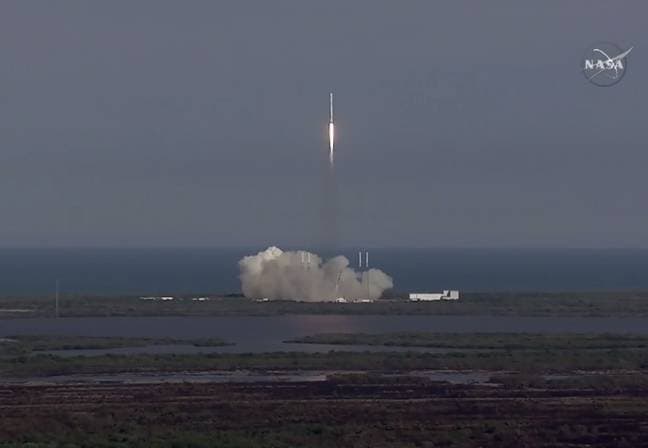
Scientists documented unprecedented atmospheric pollution from SpaceX's Falcon 9 breakup, revealing 30kg of lithium injected into Earth's upper atmosphere and highlighting urgent regulatory gaps in space debris management.
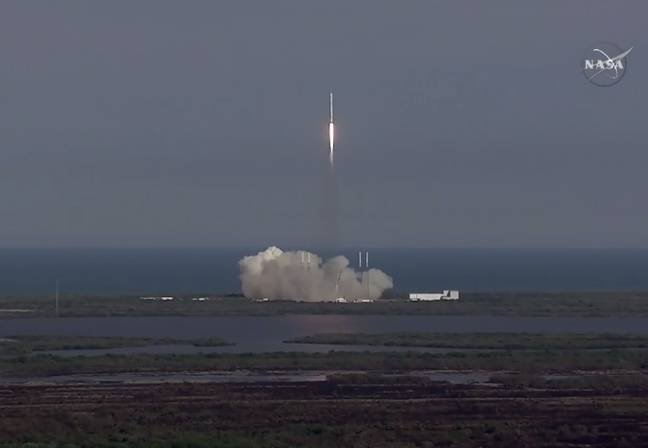
European scientists have confirmed the first-ever ground-based detection of space debris pollution, revealing that SpaceX's catastrophic Falcon 9 breakup last year released a massive lithium plume across continental skies. The uncontrolled re-entry event, triggered by an oxygen leak that scattered debris over Poland, deposited approximately 30kg of lithium into the Mesosphere and Lower Thermosphere – equivalent to 375 days' worth of natural space dust accumulation in a single event.
The breakthrough findings, published in peer-reviewed research, utilized lidar technology to measure a tenfold lithium concentration spike at 96km altitude just 20 hours post-breakup. Lithium's prevalence in spacecraft construction – from battery systems to aluminum-lithium alloy tank walls – makes it a critical marker for anthropogenic space pollution. Unlike natural meteoroids, spacecraft introduce engineered materials including rare earth elements, composite structures, and exotic alloys with unknown atmospheric consequences.
This incident exposes critical regulatory failures in the space industry's environmental accountability. While terrestrial industries face strict pollution controls under frameworks like the European Environmental Liability Directive, space operations lack equivalent oversight. The Outer Space Treaty's vague 'harmful contamination' provisions remain untested for atmospheric pollution cases, creating a legal vacuum where private entities operate without environmental impact assessments.
Researchers warn cumulative effects could be catastrophic: NOAA data already shows 10% of stratospheric particles contain spacecraft metals, potentially rising to 50% with increasing launch frequency. As Jonathan McDowell of Harvard Observatory noted, 'Using the upper atmosphere as an incinerator is a massive blind spot in environmental protection.' The pollution risks disrupting radiative balance, ozone chemistry, and cloud formation processes essential for climate stability.
The study underscores an urgent need for three systemic changes: mandatory atmospheric impact assessments for all spacecraft designs under revised FCC licensing protocols; international adoption of debris-tracking networks modeled on the EU's Copernicus program; and amendments to the UN Committee on the Peaceful Uses of Outer Space guidelines requiring biodegradable materials in orbital systems. Until regulators treat atmospheric pollution as rigorously as data privacy under GDPR, our shared upper atmosphere remains vulnerable to corporate experimentation.
SpaceX Falcon 9 Overview | NOAA Atmospheric Particle Study | Outer Space Treaty Text
Comments
Please log in or register to join the discussion