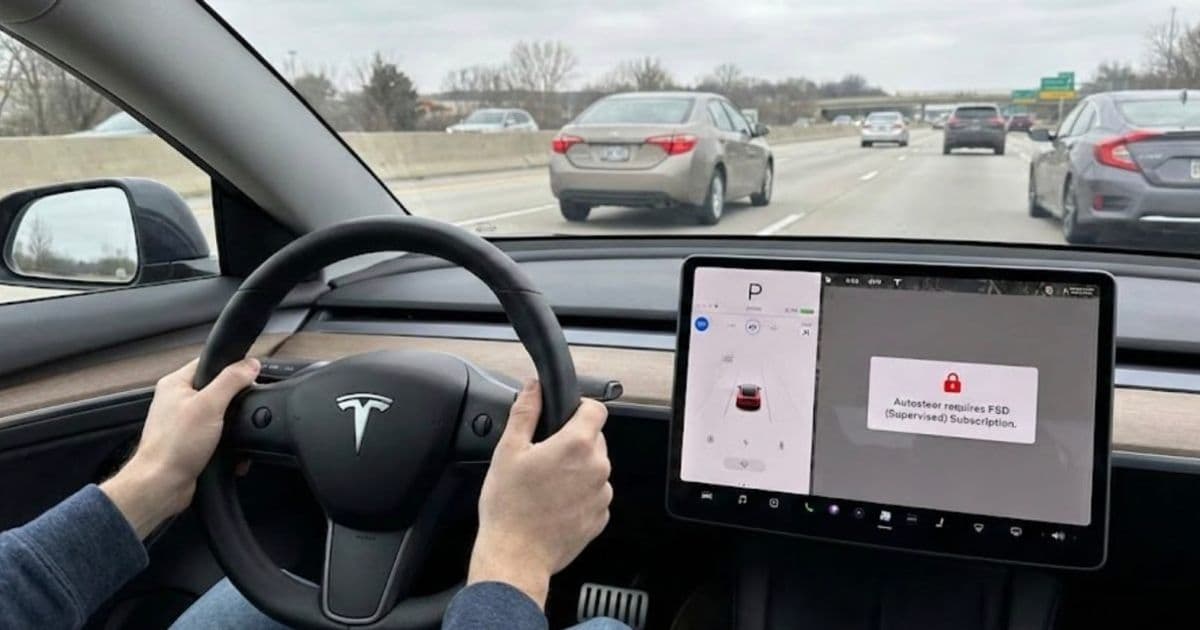
A federal judge upheld a $243 million verdict against Tesla over a fatal Autopilot crash, rejecting arguments about driver responsibility and system limitations as the company faces escalating legal challenges.
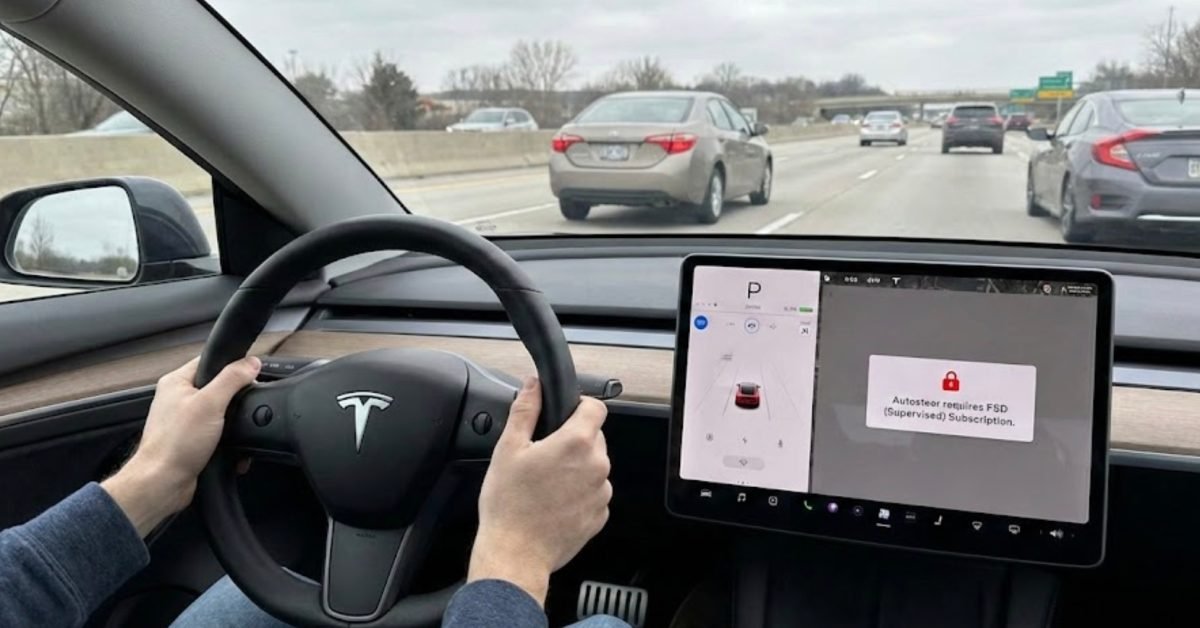
A US federal judge's refusal to overturn a $243 million jury verdict against Tesla represents more than a financial penalty—it exposes fundamental tensions between Tesla's autonomous driving claims and real-world safety outcomes. The ruling centers on a 2019 Florida crash where Autopilot failed to detect a tractor-trailer crossing the vehicle's path, resulting in a fatality. Court documents reveal Tesla's defense hinged on two arguments: that drivers must maintain vigilance despite Autopilot's 'full self-driving' branding, and that the system's limitations were clearly disclosed.
Judge Reid Scott's 78-page rejection systematically dismantled these positions. Evidence showed the victim received repeated 'hands-free driving enabled' visual cues moments before impact, contradicting Tesla's vigilance argument. Regarding system limitations, the judge noted Tesla's marketing—including Elon Musk's repeated promises of 'full self-driving capability by year-end'—created unrealistic expectations that outweighed small-print disclaimers. 'You can't sell a $10,000 'Full Self-Driving' package while claiming drivers should know it doesn't work,' summarized automotive safety expert Mary Cummings, who testified during the trial.
This case arrives amid Tesla's expanding legal exposure. Over 20 pending lawsuits allege Autopilot defects, while federal regulators investigate nearly 1,000 crashes involving the system since 2021. The National Highway Traffic Safety Administration's (NHTSA) ongoing probe has documented at least 17 fatalities potentially linked to Autopilot failures. Legal analysts observe a pattern: Tesla settles most cases confidentially, but this public verdict establishes precedent. 'Juries see crashed vehicles and grieving families, not software version numbers,' noted University of South Carolina law professor Bryant Walker Smith. 'This ruling tells plaintiffs that Tesla's marketing materials can be evidence against them.'
Counter-perspectives emerge from Tesla advocates who argue the ruling ignores broader safety data. Tesla's 2024 Impact Report claims vehicles with Autopilot engaged experience 8x fewer accidents than average. Robotics engineer Alexei Efros contends: 'Statistically, Autopilot saves lives daily. Isolated tragedies shouldn't derail technology that demonstrably improves overall road safety.' However, critics highlight Tesla's refusal to implement driver monitoring cameras standard in competitors' systems—a recurring point in litigation.
The verdict's ripple effects extend beyond Tesla. Automotive manufacturers like GM and Ford face pressure to clarify autonomous capability claims, while insurers reassess liability models. As NHTSA prepares updated autonomous vehicle regulations this summer, this case provides regulators with judicial validation of concerns about over-the-air updates and driver engagement systems. For Tesla, the immediate impact is clear: each lost legal battle increases scrutiny of whether its 'move fast' ethos conflicts with safety-critical systems.
Court documents: Case No. 9:2023cv81239 (Southern District of Florida)
Comments
Please log in or register to join the discussion