
President Trump will impose a 10% tariff on all imports after the Supreme Court invalidated his administration's previous tariff framework, a move poised to disrupt global supply chains and increase costs for technology manufacturers.
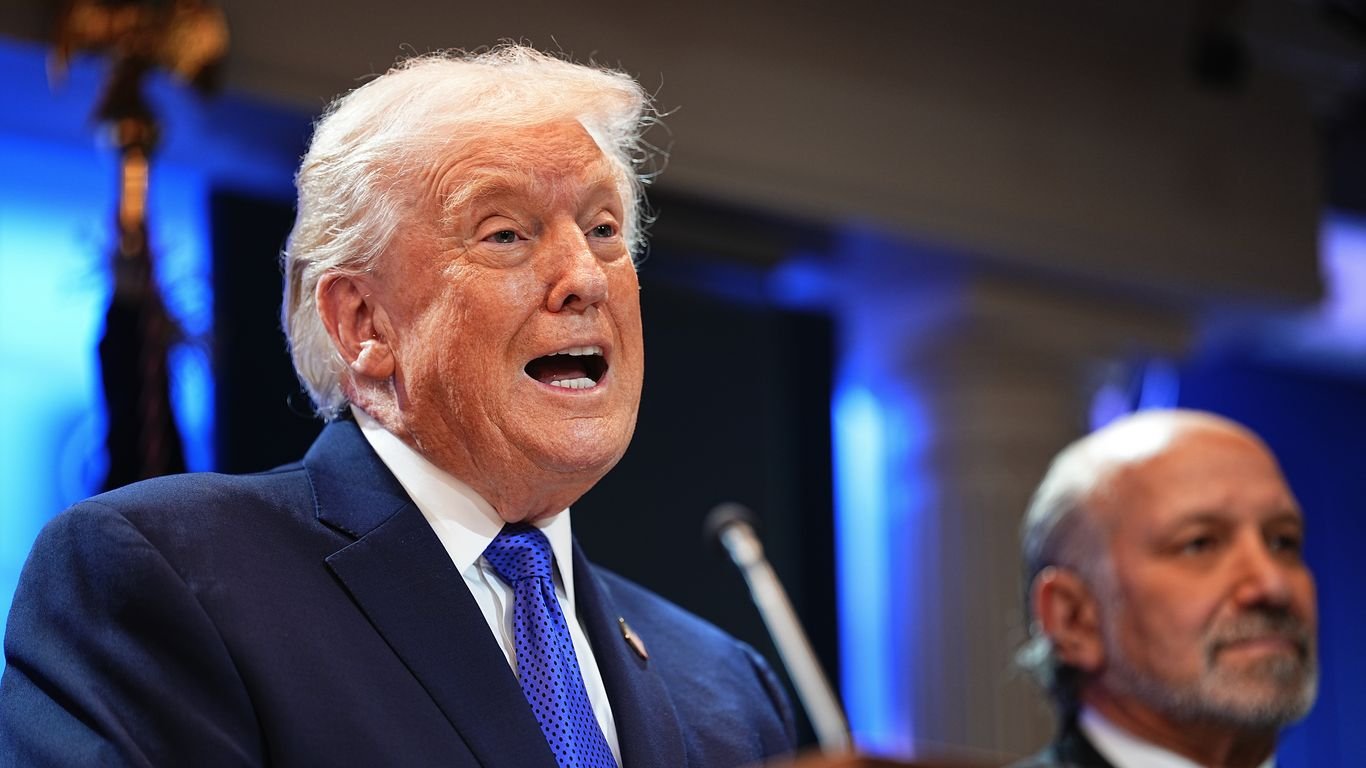
In a decisive response to a Supreme Court ruling against his trade agenda, President Trump announced plans to implement a universal 10% tariff on all imported goods. The policy shift comes hours after the court struck down the legal basis for prior tariffs on February 20, setting the stage for sweeping economic repercussions across global markets.
Financial analysts project this blanket tariff could generate approximately $300 billion annually in federal revenue but simultaneously raise consumer prices by an estimated 3-5%. Technology companies face disproportionate exposure due to complex international supply chains. Semiconductor manufacturers, which source 65% of materials globally, could see production costs surge by $12 billion industry-wide according to Semiconductor Industry Association models. Consumer electronics retailers may pass these costs to buyers, with devices like smartphones and laptops potentially increasing by $50-150 per unit.
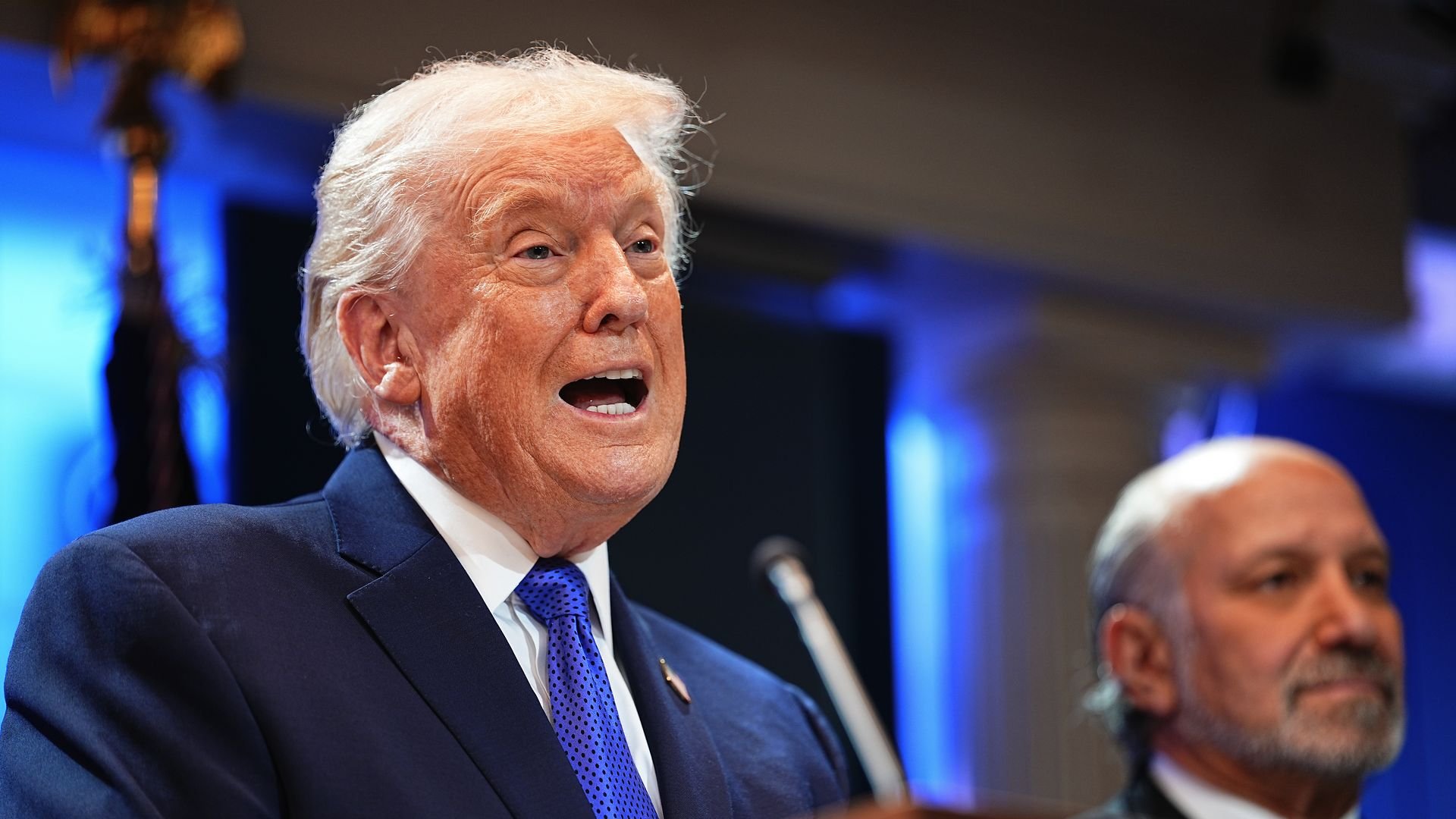
The Supreme Court's 6-3 ruling invalidated the Trade Expansion Act provision Trump previously used for targeted tariffs, citing unconstitutional delegation of congressional authority. In his White House address, Trump framed the new tariff as necessary to reclaim manufacturing dominance: "We're taking back control from foreign exploiters." However, market reactions were immediately negative—S&P 500 futures dropped 1.8% in after-hours trading, with Apple and Tesla shares declining over 4%.
Strategic implications extend beyond immediate economics. The tariff eliminates country-specific exemptions, forcing tech firms to reconsider global operations. Companies like Intel and Dell, which rely on specialized components from Taiwan and Vietnam, now face tough choices: absorb margin erosion or accelerate expensive supply chain relocations. Industry analysts note such transitions typically require 18-36 months and $500M-$2B per manufacturing facility.
Retaliation risks loom large, with the EU and China historically imposing counter-tariffs on US technology exports. A 2023 Brookings study showed similar measures during the 2018-2019 trade war reduced US tech exports by $54 billion. Should major partners retaliate, US cloud service providers and software firms could lose access to key growth markets like Germany and Japan, where they currently generate 28% of overseas revenue.
Long-term, the policy may accelerate automation investments as manufacturers offset labor costs. Robotics firms like Boston Dynamics report surging inquiries from electronics assemblers. However, with tariffs applying equally to automated machinery imports, this creates a near-term cost paradox. The administration plans implementation through executive order within 45 days, though legal challenges are expected given the Supreme Court's recent scrutiny of trade authority boundaries.
Comments
Please log in or register to join the discussion