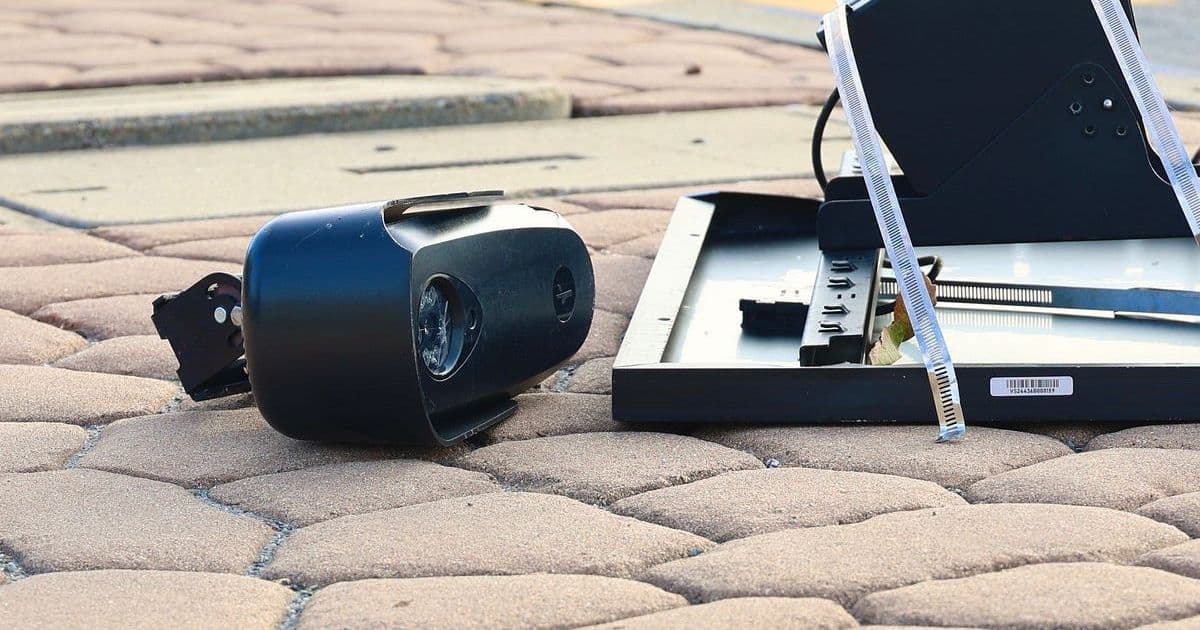
A wave of sabotage targeting Flock Safety's license plate readers is spreading nationwide as privacy concerns and ICE data-sharing agreements fuel civilian backlash against warrantless surveillance.
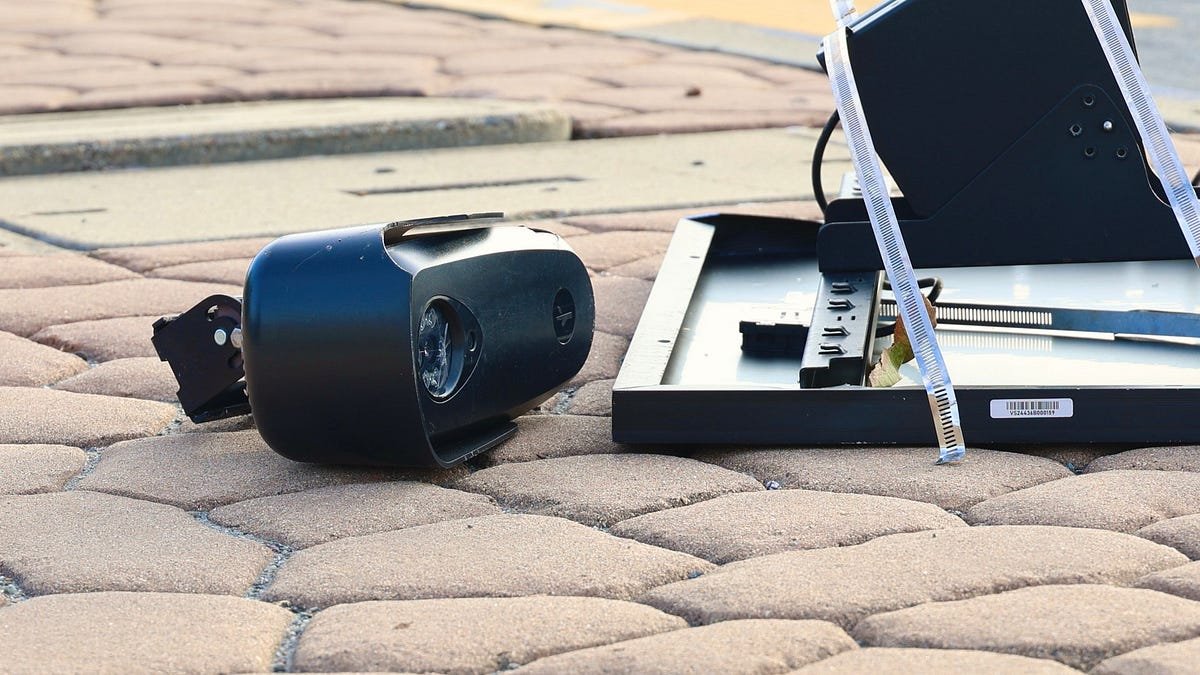
In La Mesa, California, shattered remnants of Flock surveillance cameras recently littered a roadside median – key components deliberately removed from one device, another smashed beyond recognition. This act of sabotage arrived just weeks after city officials renewed contracts with Flock Safety despite vocal public opposition at council meetings. The incident exemplifies a growing, coordinated resistance against the company's automatic license plate readers (ALPRs) unfolding across the United States.
Flock Safety, an Atlanta-based startup valued at $7.5 billion, has deployed its vehicle surveillance systems in approximately 6,000 communities nationwide. Mounted on poles 8-12 feet high and often solar-powered, these cameras capture not just license plates but detailed vehicle "fingerprints" – including make, model, color, bumper stickers, and roof racks. Crucially, this data is collected and shared without warrants, creating a comprehensive tracking network accessible to thousands of law enforcement agencies.
The partnership between Flock and U.S. Immigration and Customs Enforcement (ICE) has become a flashpoint. Evidence shows ICE routinely accesses Flock’s database to track vehicles across jurisdictions. Combined with incidents like a Georgia police chief using Flock data for personal stalking, and authorities tracking individuals crossing state lines for abortions, public distrust has surged. Critics argue the system constitutes a clear Fourth Amendment violation.
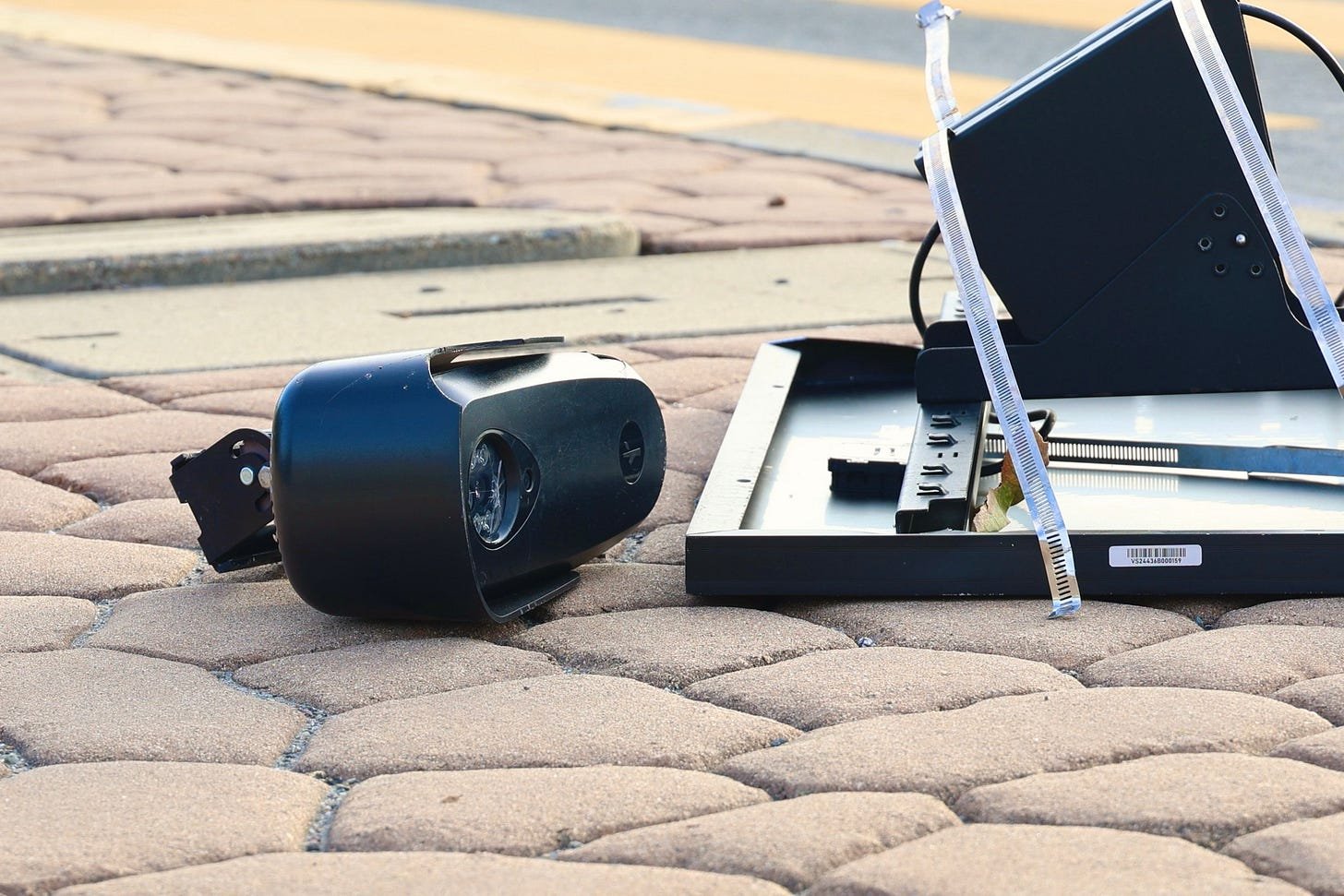 Photos by Bill Paul of SD Slackers, used with permission.
Bill Paul, who documented the La Mesa destruction for his outlet San Diego Slackers, notes the sabotage followed contentious city council sessions. "There was a huge turnout against them," Paul explains, referencing December 2025 meetings where residents overwhelmingly demanded contract termination. "The council approved continuation anyway." Similar scenarios are playing out from coast to coast, with municipalities overriding citizen objections to maintain Flock partnerships.
Resistance manifests in two primary forms: policy campaigns and physical dismantling. Advocacy groups like DeFlock track municipal battles, counting 46 cities that have successfully banned ALPRs. Eugene, Oregon, canceled its Flock contract after sustained public pressure – and after at least six cameras were cut down with notes like "Hahaha get wrecked ya surveilling fucks" left at the scene. Similar incidents occurred in Greenview, Illinois, and Lisbon, Connecticut, where poles were severed and equipment destroyed.
The most systematic dismantling operation emerged in Virginia. Over seven months in 2025, Jefferey Sovern disabled 13 Flock cameras using vice grips, later admitting to authorities he targeted them specifically. "I appreciate my privacy," Sovern wrote on a GoFundMe page for his legal defense. "I appreciate everyone's right to privacy, enshrined in the fourth amendment." Charged with 13 counts of property destruction, his actions garnered widespread online support across platforms like Reddit, where threads in regional communities praised the sabotage.
Public countermeasures extend beyond destruction. YouTube tutorials demonstrate methods to obscure license plates from Flock’s algorithms, prompting Florida to ban plate covers last year. Meanwhile, companies like Ubicquia embed Flock software in "smart streetlight" systems, allowing municipalities like San Diego to obscure their reliance on the controversial platform. "SDPD can claim they have clean hands," Paul observes, "while Flock hardware watches citizens from retail properties with zero oversight.
This decentralized rebellion signals profound discontent with surveillance capitalism's encroachment into public spaces. As municipal governments prioritize contracts with Flock over constituent privacy concerns, civilians are responding with tools ranging from policy advocacy to bolt cutters – framing resistance not as vandalism, but as defense of constitutional rights against warrantless tracking and federal overreach.
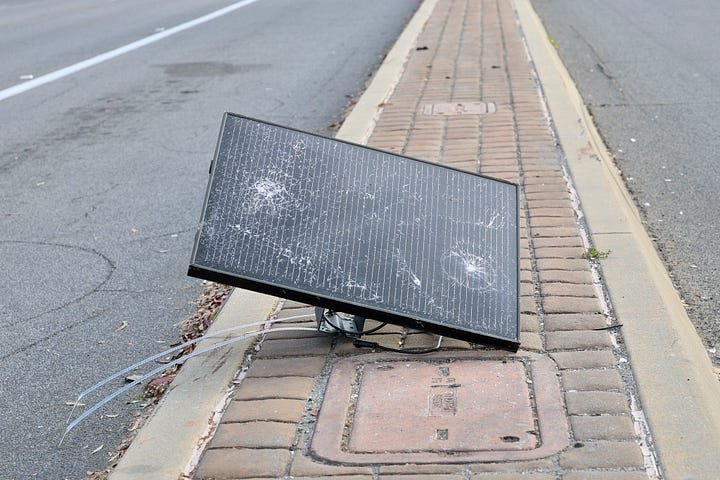 Photos by Bill Paul, SD Slackers.
Comments
Please log in or register to join the discussion