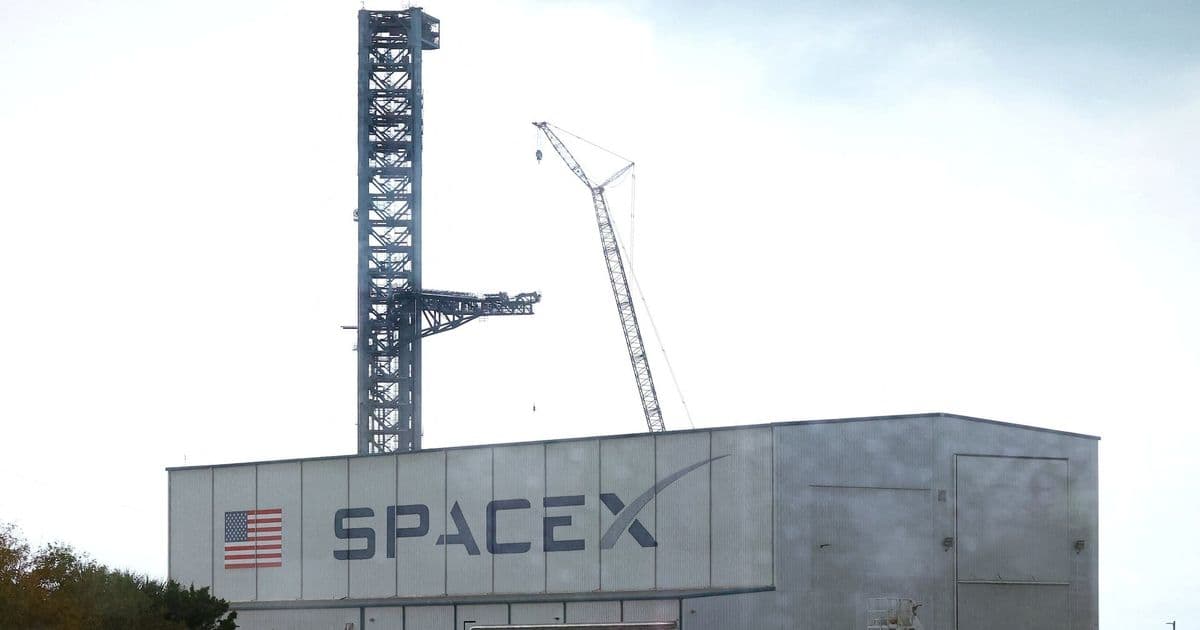
SpaceX is planning to allocate a substantial portion of its IPO shares to retail investors and will host 1,500 of them at an event in June following the roadshow launch, marking a notable shift in how major tech companies approach public offerings.
SpaceX is preparing to break with tradition in its upcoming initial public offering (IPO) by earmarking a significant portion of shares for retail investors, according to sources familiar with the matter. The company plans to host approximately 1,500 retail investors at a special event in June, following the launch of its IPO roadshow.
In a meeting with its team of bankers on Monday night, SpaceX outlined details of its highly anticipated IPO, signaling a deliberate effort to include individual investors in what is expected to be one of the largest tech offerings in recent years. This approach contrasts with the typical IPO process, where the vast majority of shares are allocated to institutional investors such as hedge funds, mutual funds, and other large financial institutions.
"SpaceX is planning to earmark a large portion of shares for retail investors," according to the sources cited by Reuters. The company's decision to host a dedicated event for individual investors further emphasizes its commitment to broadening access to its shares beyond traditional Wall Street channels.
Why This Matters
The move represents a significant shift in how major technology companies approach public offerings. Historically, IPOs have been structured to favor institutional investors, who receive the majority of shares at the offering price. Retail investors, by contrast, often have limited access to IPO shares and typically can only purchase them after the stock begins trading on the open market, often at higher prices.
SpaceX's approach appears designed to correct this imbalance, allowing individual investors to participate in the company's growth from the outset. This strategy mirrors the approach taken by companies like Robinhood during its own IPO, which also emphasized retail investor participation.
Context: SpaceX's Business and IPO Significance
SpaceX, founded by Elon Musk in 2002, has grown from a startup with ambitious goals to become one of the most valuable private companies in the world. The company has revolutionized the aerospace industry through innovations in reusable rocket technology, significantly reducing the cost of space access.
Beyond its launch services, SpaceX has developed several other significant business lines:
- Starlink, a satellite internet constellation with millions of subscribers
- Starship, a next-generation spacecraft designed for Mars missions
- National security launch contracts with the U.S. government
- Space tourism initiatives
The company's diverse revenue streams and technological leadership have positioned it for what could be a landmark IPO. Analysts have estimated SpaceX's valuation could exceed $200 billion, potentially making it one of the largest tech IPOs in history.
The Trend Toward Retail Investor Inclusion
SpaceX's approach aligns with a broader trend of companies attempting to democratize access to IPOs. In recent years, we've seen several notable examples:
Robinhood's IPO (2021): The brokerage platform emphasized retail investor participation, though with mixed results.
Airbnb's IPO (2020): The company implemented a "Dutch auction" mechanism designed to give individual investors more equitable access to shares.
Snowflake's IPO (2020): While primarily institutional, the company did allocate some shares to individual investors through certain brokerage platforms.
GameStop's short squeeze (2021): Though not an IPO, this event demonstrated the growing power of retail investors to influence markets.
These examples reflect a growing recognition that retail investors represent a significant portion of market activity and should have better access to investment opportunities that have traditionally been reserved for institutions.
Potential Implications and Challenges
SpaceX's retail investor-focused approach could have several implications:
For Retail Investors
- Early access: Retail investors would have the opportunity to purchase shares at the offering price, rather than waiting for aftermarket trading.
- Price discovery: Broader participation could lead to more efficient price discovery during the IPO process.
- Long-term holding: Research suggests that retail investors who participate in IPOs tend to hold shares longer than institutions, potentially reducing volatility.
For SpaceX
- Broader shareholder base: Wider distribution could lead to a more stable shareholder base over time.
- Brand loyalty: Emphasizing retail access could enhance SpaceX's brand image as a forward-thinking company.
- Regulatory considerations: The SEC and other regulators may view favorably efforts to democratize access to IPOs.
Potential Challenges
Despite these benefits, several challenges remain:
Allocation mechanisms: Determining fair allocation methods that prevent "gaming" of the system by sophisticated investors.
Pricing pressure: High demand from retail investors could create pricing pressure that doesn't reflect fundamental value.
Volatility: Retail investor participation can sometimes lead to increased volatility, particularly in the aftermarket.
Regulatory scrutiny: Any deviation from standard IPO procedures may attract additional regulatory attention.
Conclusion
SpaceX's decision to prioritize retail investors in its IPO represents a potentially significant shift in how major technology companies approach public offerings. By allocating a substantial portion of shares to individual investors and hosting a dedicated event for them, the company is attempting to correct a long-standing imbalance in the IPO process.
As one of the most anticipated IPOs in recent years, SpaceX's approach could set a precedent for other major technology companies considering going public. If successful, this model could lead to more inclusive IPO processes that better serve the interests of all market participants, not just institutional investors.
For retail investors, the SpaceX IPO could represent an opportunity to participate in a transformative technology company from the outset. For the market as a whole, it could signal a broader evolution toward more equitable access to investment opportunities that have traditionally been reserved for Wall Street's elite.
As with any IPO, investors should carefully consider the risks and conduct thorough due diligence before participating. However, SpaceX's retail-focused approach marks a noteworthy development in the ongoing evolution of public markets and the role of individual investors within them.
Comments
Please log in or register to join the discussion