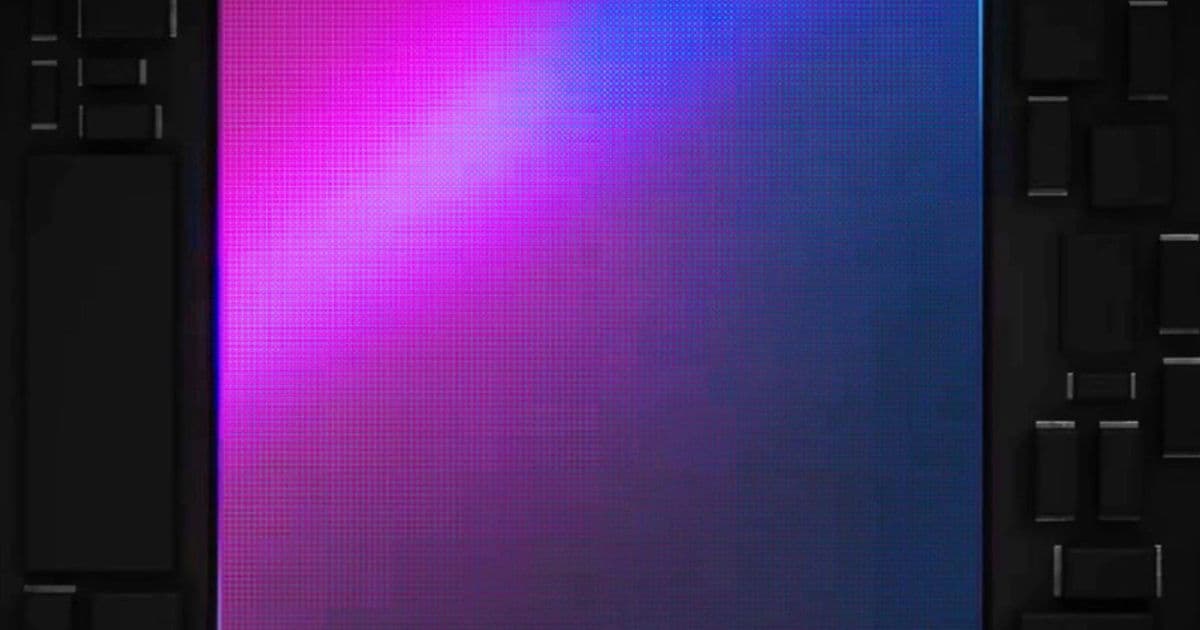
Apple's square front-facing camera sensor debuts on iPhone 17 series, with Oppo and Huawei reportedly developing similar technology for their upcoming Android devices.
The smartphone camera landscape is about to get a geometric makeover. Following Apple's introduction of square front-facing camera sensors with the iPhone 17 series, Android manufacturers are reportedly racing to adopt this innovative technology.
According to leaker Digital Chat Station, both Oppo and Huawei are developing smartphones featuring square front-facing camera sensors. Oppo appears to be leading the charge, planning to introduce this technology in a flagship device—most likely the upcoming Oppo Find X10 series. Huawei, meanwhile, is reportedly considering a more strategic approach by potentially debuting the square sensor in a mid-range device, with the Nova 16 series emerging as a strong candidate for this camera upgrade.

The iPhone 17's square sensor lets users shoot in portrait and landscape without rotating the device.
This development marks a significant shift in smartphone photography, as the iPhone 17, iPhone 17 Pro (Max), and iPhone Air currently stand as the only smartphones equipped with square front-camera sensors. Apple claims this design offers greater convenience compared to the iPhone 16's traditional 12 MP front sensor with its 4:3 aspect ratio.
The Square Sensor Advantage
The primary benefit of a square sensor is its versatility. Users can capture images in both portrait and landscape orientations without physically rotating their device. This seemingly simple improvement addresses a common frustration among smartphone photographers who frequently switch between shooting orientations.
The technology leverages AI to automatically adjust the aspect ratio, ensuring everyone in front of the camera remains within the frame regardless of orientation. This intelligent framing system represents a practical application of computational photography that enhances the user experience without requiring manual adjustments.
Beyond Still Photography
While Apple doesn't currently allow Open Gate recording across the entire sensor surface, the square sensor theoretically enables users to shoot square video and then crop the footage in post-production. This flexibility allows creators to generate both vertical clips optimized for social media platforms and horizontal versions suitable for YouTube or other widescreen formats from a single recording.
During video calls and chats, the iPhone 17's Center Stage feature automatically adjusts the framing to keep the user's face centered in the shot. This dynamic framing capability demonstrates how square sensors can enhance real-time video experiences beyond traditional photography applications.
Performance Metrics
According to DxOMark's rankings, the Apple iPhone 17 Pro currently boasts the best selfie camera among smartphones. However, the new square sensor received a score of 154—only three points higher than the iPhone 16 Pro's camera. This modest improvement suggests that while the square sensor offers convenience benefits, it hasn't yet delivered a dramatic leap in image quality.
Industry Implications
The adoption of square sensors by Android manufacturers signals a broader industry trend toward more versatile camera hardware. If Oppo and Huawei successfully implement this technology, we can expect other Android brands to follow suit, potentially making square sensors a new standard in smartphone photography.
This shift could have ripple effects throughout the mobile photography ecosystem. App developers may need to optimize their camera interfaces for square sensors, while social media platforms might adapt their content creation tools to take advantage of the new format's flexibility.
Looking Ahead
The race between Apple and Android manufacturers to perfect square sensor technology highlights the ongoing innovation in smartphone photography. As these sensors become more widespread, we may see new photography techniques and creative possibilities emerge that leverage the unique characteristics of square imaging sensors.
For consumers, this competition between tech giants ultimately translates to more advanced camera features and improved photography experiences across all smartphone platforms. The convenience of not having to rotate devices for different shooting orientations, combined with AI-powered framing and post-production flexibility, represents a meaningful step forward in mobile photography technology.
The coming months will reveal whether Android manufacturers can match or exceed Apple's implementation of square sensors, potentially setting new standards for front-facing camera design in the smartphone industry.
Comments
Please log in or register to join the discussion