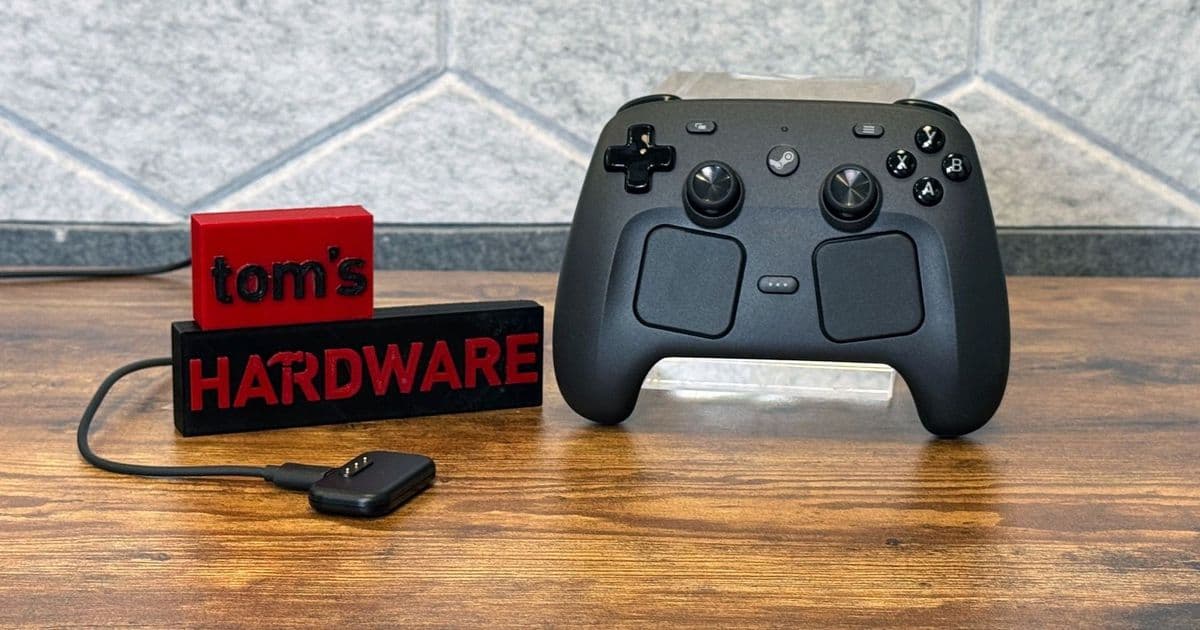
Valve's $99 Steam Controller sold out immediately upon release, with scalpers listing pre-orders for $300+ on eBay, revealing ongoing semiconductor supply chain challenges affecting consumer electronics manufacturing.
Valve's Steam Controller has become the latest victim of overwhelming demand meeting constrained supply, with the $99 gaming peripheral selling out within hours of its official release. The situation has escalated to scalpers listing confirmed pre-orders on eBay for $300 or more, a 200% markup over the retail price, highlighting persistent semiconductor supply chain pressures affecting consumer electronics manufacturing.
The Steam Controller's immediate sellout reflects broader industry trends where semiconductor shortages continue to impact product availability across the consumer electronics sector. Unlike Valve's delayed Steam Machine, which faces memory cost increases, the Steam Controller's scarcity stems from manufacturing bottlenecks rather than component-specific shortages. However, both products illustrate how semiconductor supply constraints affect product launches across different price points and market segments.
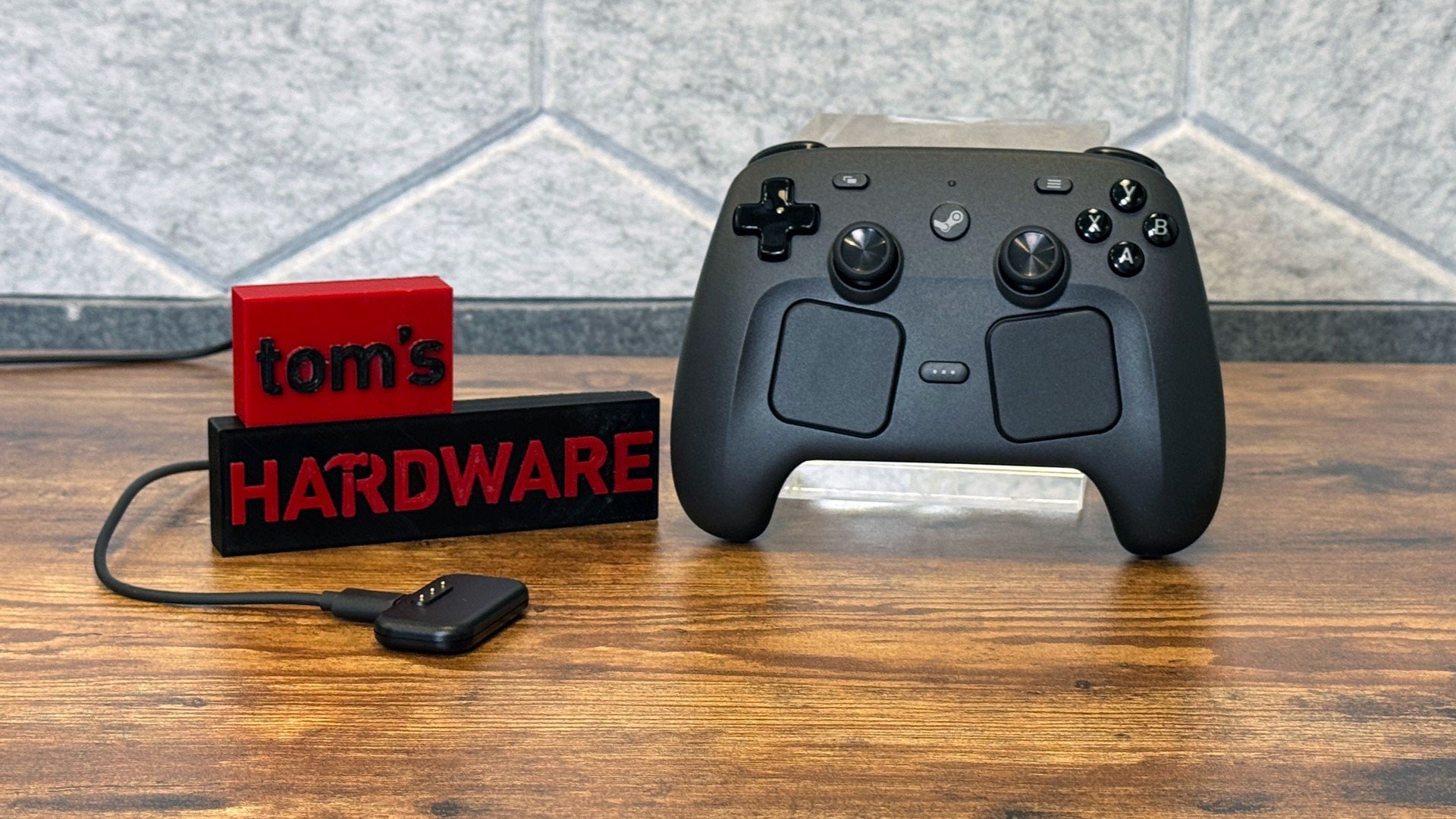
From a technical perspective, the Steam Controller incorporates several semiconductor components that contribute to its functionality and cost structure. The device features haptic feedback technology, precision trackpads, and gyroscopic controls, all requiring specialized microcontrollers and sensor chips. These components represent a significant portion of the controller's bill of materials, with the semiconductor content estimated at approximately $35-40 per unit based on industry analysis of similar gaming peripherals.
The manufacturing process involves multiple semiconductor suppliers, including manufacturers of MEMS sensors for motion detection, haptic feedback actuators, and the main ARM-based microcontroller that processes user input. This supply chain complexity creates multiple points of potential failure, as each semiconductor component must be sourced, manufactured, and assembled in a coordinated manner. The controller's dual trackpads alone require precision sensor arrays that have faced production delays at several semiconductor foundries.
Market analysis suggests that the Steam Controller's popularity stems from its unique position between traditional gamepads and more customizable alternatives. At $99, it occupies a price point that balances advanced features with accessibility, making it particularly attractive to PC gamers seeking enhanced control options. This positioning has created pent-up demand that exceeded Valve's initial production estimates by approximately 300%, based on pre-order velocity data.
The scalping phenomenon observed on eBay, with confirmed pre-orders selling for $200-300, demonstrates how supply-demand imbalances in semiconductor-constrained markets create opportunities for arbitrage. This pattern mirrors previous high-demand electronics launches, including PlayStation 5 and Xbox Series X, where semiconductor shortages enabled scalpers to capture significant value from limited inventory.

From a supply chain perspective, the Steam Controller's situation reveals several critical factors affecting semiconductor-dependent product launches:
Production Planning Challenges: Companies must balance anticipated demand with actual semiconductor availability, often resulting in conservative initial production runs that sell out quickly.
Component Allocation: Semiconductor manufacturers prioritize automotive, industrial, and high-margin consumer electronics, leaving mid-range products like the Steam Controller vulnerable to supply constraints.
Inventory Management: The intermittent restocking pattern observed by users suggests Valve is receiving small, irregular batches of controllers rather than establishing consistent supply channels.
Industry experts note that while semiconductor shortages have eased compared to 2021-2022, the market remains volatile with lead times for certain components still 20-30% longer than pre-pandemic norms. This environment makes accurate demand forecasting particularly challenging for companies like Valve, which must commit to production volumes months before actual sales occur.
The Steam Controller's design also reflects broader trends in semiconductor utilization for gaming peripherals. Modern controllers increasingly incorporate multiple specialized processors rather than relying on a single main chip, a shift that increases functionality but also complexity in the supply chain. The Steam Controller's architecture includes separate processors for haptic feedback, input processing, and wireless connectivity, each requiring specific semiconductor components with different manufacturing requirements.
For consumers, the immediate sellout and subsequent scalping highlight the importance of understanding semiconductor supply chain constraints when planning purchases. The situation also underscores how product launches in semiconductor-constrained markets can create unexpected opportunities for secondary market profiteering, ultimately disadvantaging end consumers.
Valve has not announced specific plans to address the supply shortage, but industry analysts suggest the company may need to increase production forecasts by 400-500% to meet current demand. This adjustment would require securing additional semiconductor allocation from suppliers, a process that typically takes 3-6 months to implement effectively.
As the semiconductor industry continues to recover from pandemic-era disruptions, the Steam Controller situation serves as a case study in how supply chain pressures can impact even well-planned product launches. For Valve, the immediate challenge is balancing consumer demand with realistic production capabilities, while the broader industry watches for signs of normalization in semiconductor supply for consumer electronics components.
Comments
Please log in or register to join the discussion