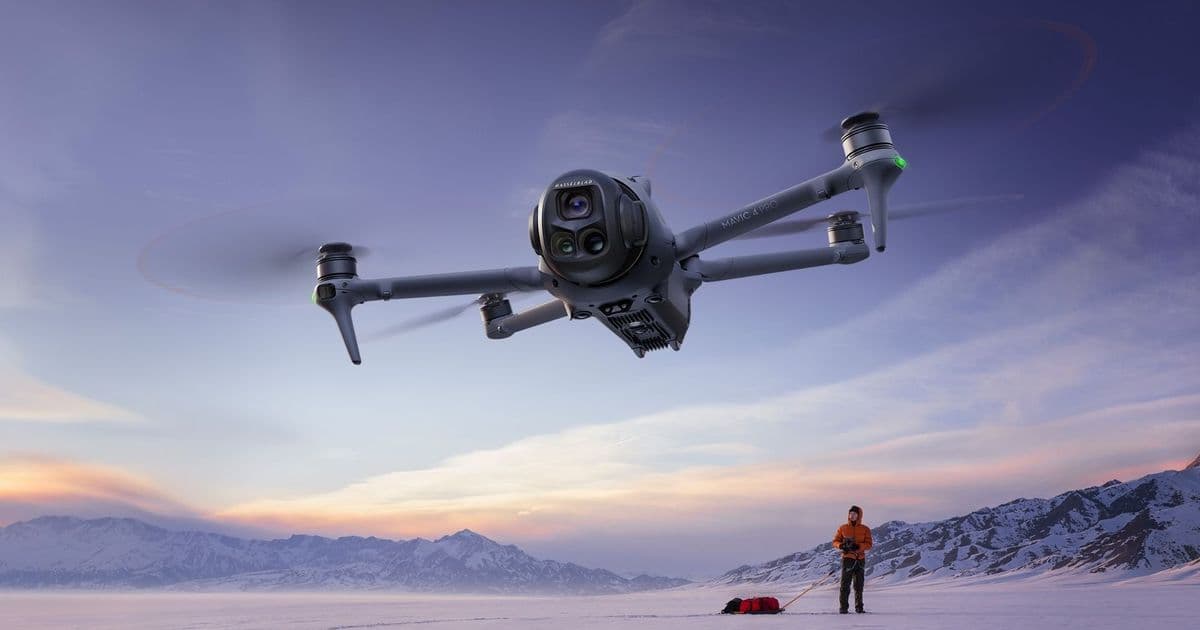
Just weeks after the FCC banned new foreign-made drone registrations, companies with Delaware and Hong Kong addresses are selling products that mirror DJI's entire lineup down to the model names.
The Federal Communications Commission's late-2025 ban on registering new foreign-made drones in the United States has created an immediate and predictable response: products that look suspiciously like DJI's current inventory are now appearing under different brand names.
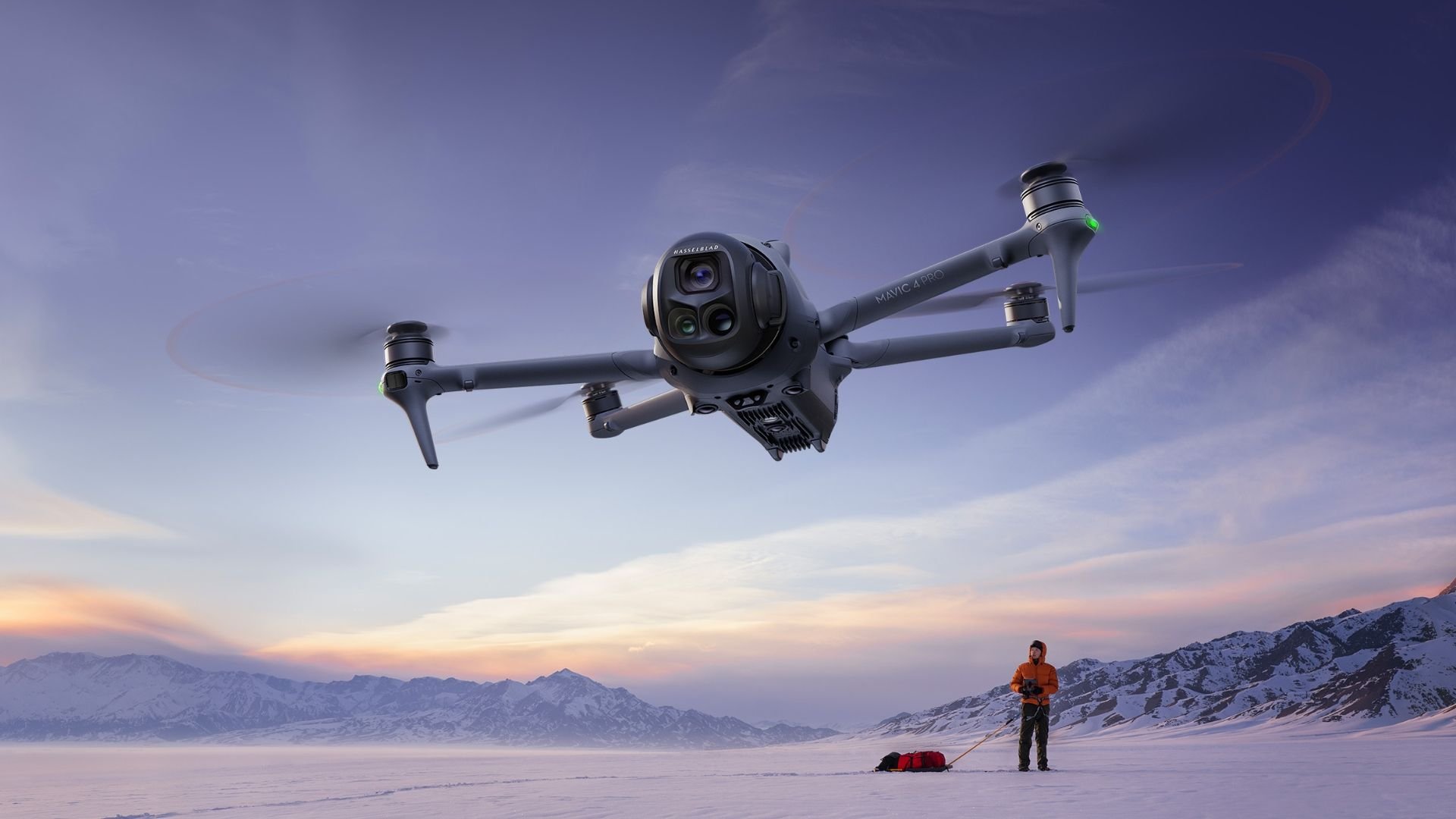
The ban specifically prevents Chinese manufacturers from certifying new drone models with the FCC, effectively freezing their ability to introduce updated products in the U.S. market. While DJI can continue selling existing models and importing previously certified hardware, the company cannot register new designs. This creates a structural disadvantage that some entity appears to be exploiting.
Xtra's Delaware Registration and DJI Lookalikes
Xtra, which claims to be "a dynamic and independent start-up company registered in Delaware," began operations in March 2025. Within months of the FCC announcement, the company listed four drone models: SPHRA360, Muse, Edge Pro, and Edge.
The naming convention alone raises questions. These products correspond directly to DJI's Osmo 360, Osmo Pocket 3, Osmo Action 5 Pro, and Osmo Action 4. The specifications reportedly match DJI's models closely enough that the differences appear negligible for consumer purposes.
This pattern suggests either a remarkable coincidence in product development timelines or a more direct relationship between the companies. Neither DJI nor Xtra has commented publicly on the similarities.
Skyrover's Hong Kong Address and Limited Transparency
Skyrover presents a different case. The company lists a Hong Kong business address, which places it squarely under the FCC's foreign-made drone ban. Despite this, Skyrover offers S1 and X1 drones that mirror the profiles of DJI's Mini 2 SE and Mini 4 Pro.
Unlike Xtra, Skyrover does not publish detailed specifications, making direct comparison impossible. However, the visual similarity in product design and naming suggests the company is attempting to circumvent the registration ban by rebranding existing designs.
The Hong Kong address creates a legal complication. Unless Skyrover manufactures its drones within the United States, it cannot register new models with the FCC. This restriction mirrors DJI's own situation.
The Registration Ban's Specific Mechanism
The FCC's action targets the certification process for new drone models. Under U.S. regulations, all drones must receive FCC certification before they can be sold and registered. This certification verifies that the device's radio transmitters and other electronic components meet American electromagnetic compatibility and safety standards.
By blocking new certifications for foreign-made drones, the FCC effectively prevents manufacturers from introducing updated models. Companies can continue selling and importing drones that received certification before the ban, but they cannot bring newer versions to market.
This creates a strategic problem for Chinese manufacturers. Consumer electronics evolve rapidly, and competitors who can register new models will eventually offer more advanced features. A company frozen at 2025 technology will lose market share regardless of its current inventory.
DJI's Strategic Response
DJI has not announced any formal rebranding strategy. The company's only confirmed move to date involves acquiring Elegoo, a 3D printer manufacturer. This acquisition suggests DJI is diversifying beyond drones rather than attempting to circumvent the ban through shell companies.
However, the appearance of Xtra and Skyrover products indicates that DJI may be pursuing a multi-pronged approach. The company could be licensing its designs to American-registered entities that can legally register new models. Alternatively, third-party manufacturers may be copying DJI's designs and betting that the company will not pursue aggressive intellectual property enforcement given its precarious regulatory position.
The Osmo Camera Exception
The FCC ban specifically targets drones, not cameras. DJI's Osmo action camera line remains unaffected, allowing the company to continue introducing new camera models in the U.S. market. This exception matters because action cameras and drones share significant technological overlap, including stabilization systems, image processing, and wireless transmission technology.
DJI could theoretically leverage its camera business to maintain a U.S. presence while working through the drone registration issue. The company might also be using camera sales to fund its broader diversification strategy.
Market Implications
The appearance of DJI-lookalike products just weeks after the FCC ban suggests the Chinese drone industry is moving quickly to adapt. If DJI itself is behind Xtra or Skyrover, the company is following a playbook used by other Chinese technology firms facing U.S. restrictions. If third parties are copying DJI's designs, the company faces a new challenge: protecting its intellectual property while being unable to introduce new competitive products.
For U.S. consumers, these developments create confusion. Products that appear to be DJI drones but carry different brand names may receive different levels of support, warranty coverage, and software updates. The lack of official statements from any party involved makes it difficult for buyers to understand what they are actually purchasing.
The FCC has not indicated whether it will investigate these new brands or expand its ban to cover rebranded foreign products. For now, the regulatory framework appears to allow companies to register new drone models as long as they meet the technical requirements for U.S. certification, regardless of whether the underlying technology originates from banned manufacturers.
This loophole may be intentional. The FCC's goal could be to encourage manufacturing to move outside China rather than to eliminate Chinese technology entirely from the U.S. market. If Xtra or Skyrover are assembling drones using DJI components in facilities outside China, they may be complying with both the letter and spirit of the regulations.
Without official clarification from the companies or regulators, the market remains in a state of uncertainty where products identical to DJI's lineup appear under different names, addresses, and legal frameworks.
Comments
Please log in or register to join the discussion