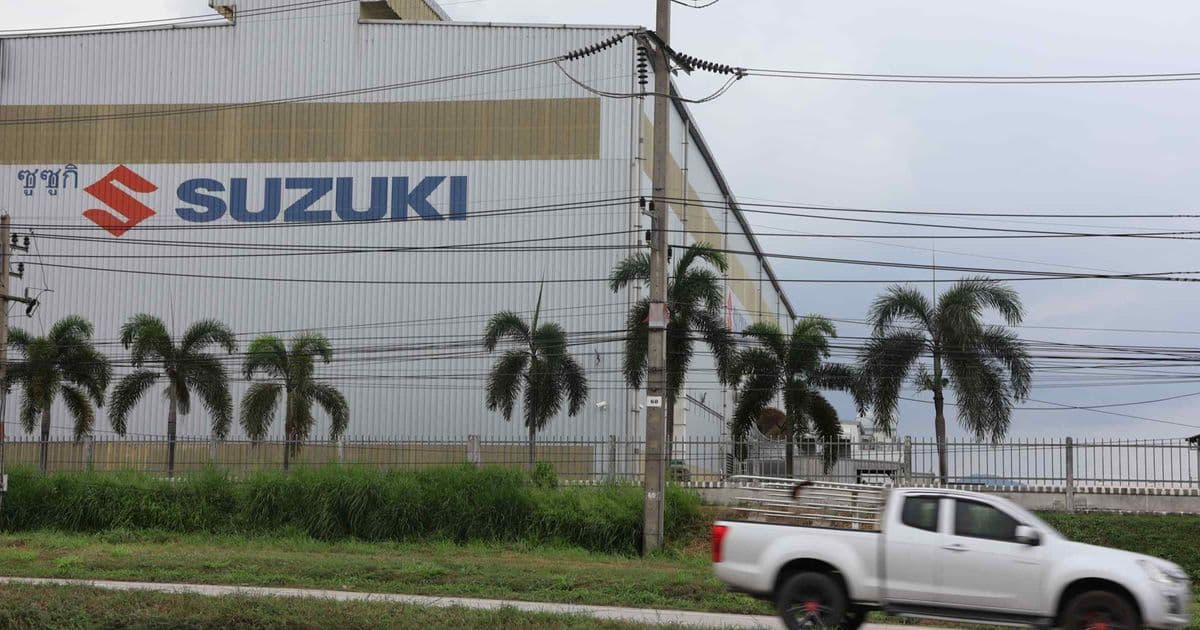
Suzuki Motor sells its Thailand manufacturing facility to Ford Motor, exiting the market after Chinese rivals captured significant share with competitively priced electric vehicles.
Suzuki Motor has finalized the sale of its Rayong, Thailand assembly plant to Ford Motor, marking a full exit from one of Southeast Asia's most competitive automotive markets. The transfer follows years of declining sales for the Japanese automaker, whose Thai production plummeted to just 4,400 vehicles in 2024 despite the facility's 80,000-unit annual capacity. 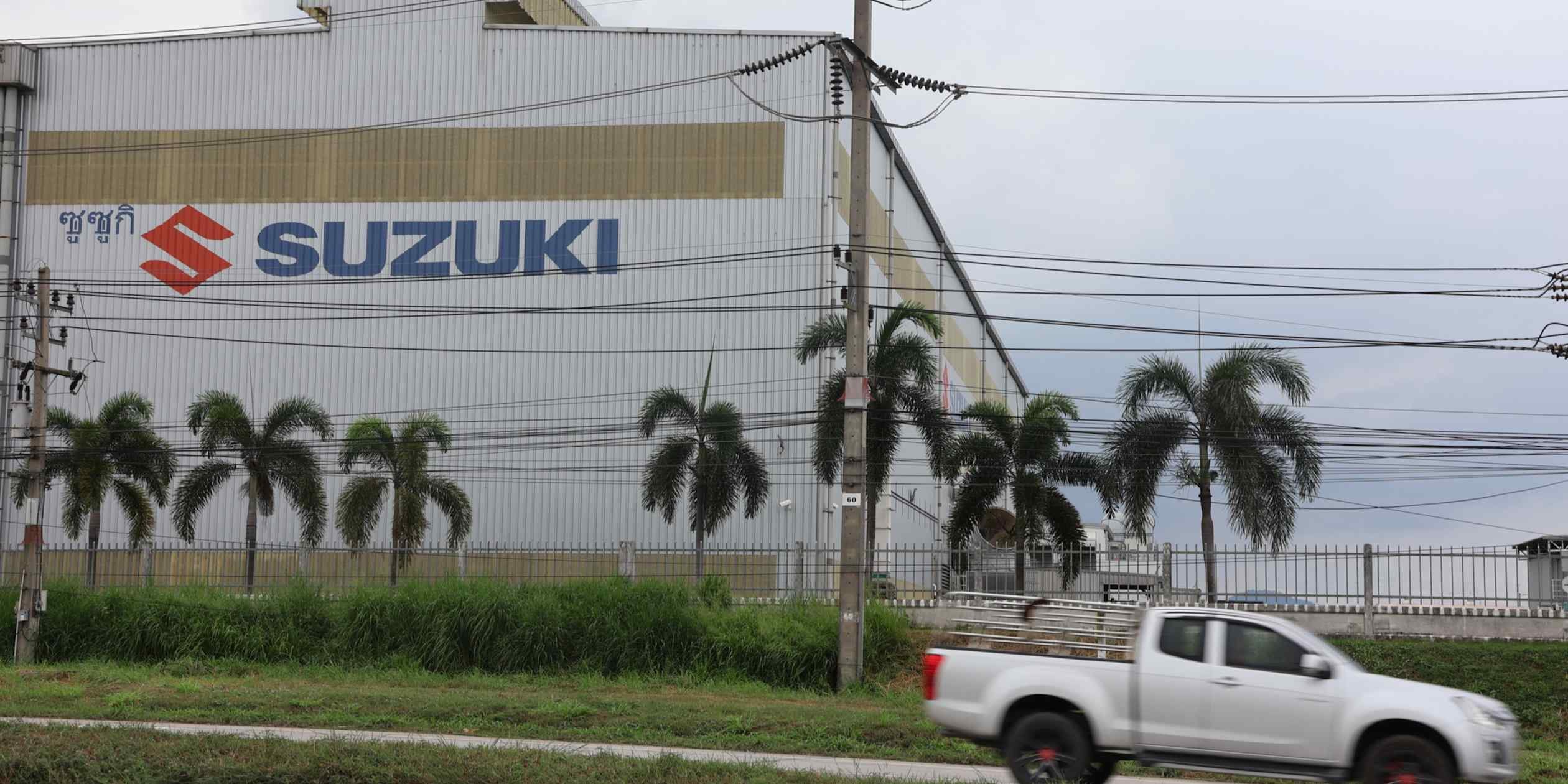
The retreat stems from Suzuki's inability to counter aggressive pricing and rapid electrification by Chinese manufacturers. Brands like BYD and Neta have captured over 50% of Thailand's electric vehicle market since 2023, leveraging state-backed supply chains to undercut traditional automakers. BYD's Dolphin EV retails at approximately $20,000—30% cheaper than comparable Japanese hybrids—while Neta's V model targets budget-conscious fleet buyers with sub-$15,000 pricing. This pricing advantage proved decisive in Thailand, where EV adoption surged to 15% of new car sales in 2025, up from 1% in 2022.
Ford's acquisition signals a strategic pivot toward Southeast Asia's expanding EV ecosystem. The Michigan-based automaker will retrofit Suzuki's 550,000-square-meter facility to produce next-generation electric and hybrid models targeting regional markets. Thailand serves as Ford's largest ASEAN manufacturing hub, with exports to Vietnam, Indonesia, and Malaysia generating $1.2 billion annually. The plant's proximity to Chinese-dominated battery supply chains in Rayong's Eastern Economic Corridor provides logistical advantages, potentially reducing production costs by 18-22% compared to Ford's existing Indonesian operations.
Market data reveals the scale of disruption: Japanese automakers' combined Thai market share fell to 68% in 2025, down from 85% in 2022, while Chinese brands grew from 3% to 27% during the same period. Thailand's EV subsidies, including 40% excise tax cuts and $2,000 purchase incentives, accelerated this shift. Suzuki's sales collapsed as its gasoline-focused lineup struggled against subsidized EVs, with dealerships reporting 60% year-over-year declines in foot traffic for non-electrified models.
The transaction underscores broader realignments in global auto manufacturing. Nissan recently sold its South Africa plant to China's Chery, while Toyota has accelerated hybrid production in Thailand to counter Chinese EV dominance. For Ford, the acquisition enables faster access to ASEAN's projected $45 billion EV market by 2030 without new construction costs. Suzuki's exit exemplifies how Chinese automakers are rewriting regional supply chain dynamics—a trend extending beyond vehicles to batteries and rare-earth minerals. As legacy automakers recalibrate Southeast Asian strategies, production footprints are becoming concentrated among manufacturers with integrated EV ecosystems and cost-competitive sourcing.
Comments
Please log in or register to join the discussion