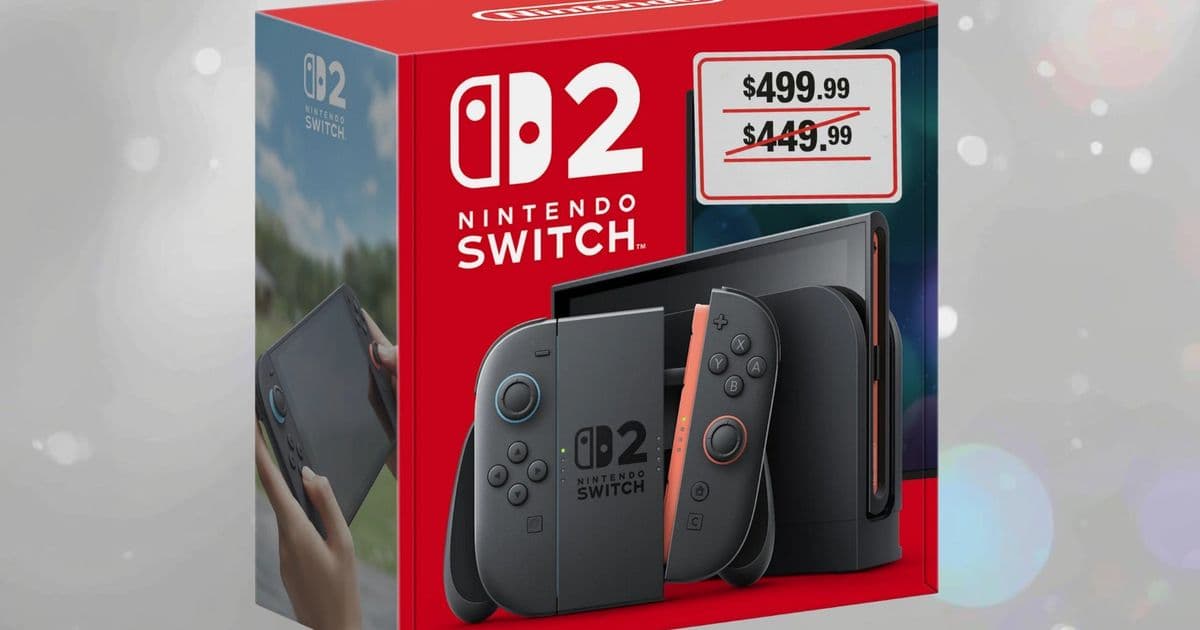
Industry analysts predict Nintendo may raise Switch 2 pricing to $499.99 by 2026 due to rising memory costs and tariffs, potentially impacting console affordability despite record early sales.
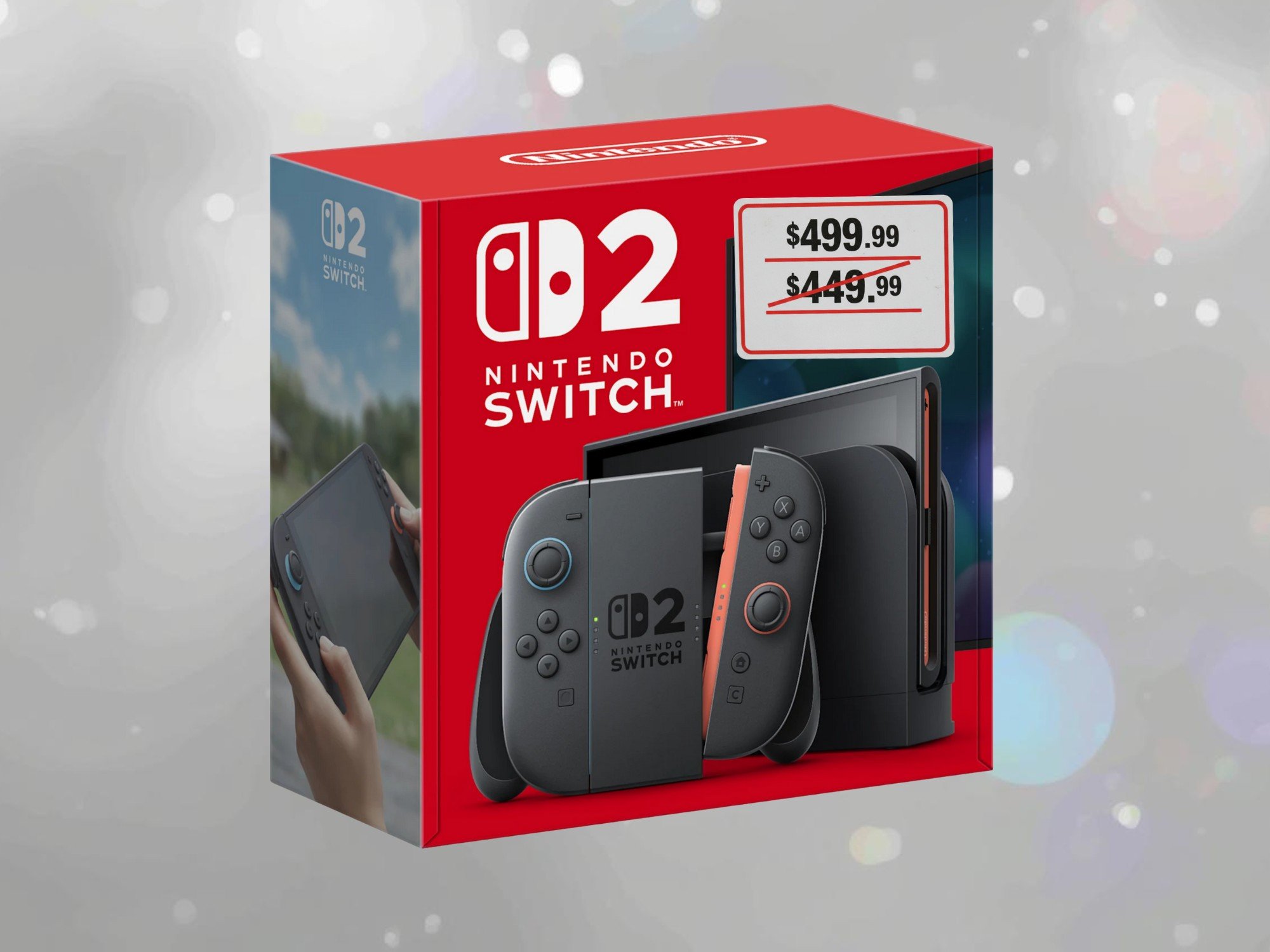
Nintendo faces mounting pressure to increase the Switch 2's price point to $499.99 according to new analysis from research firm Niko Partners, with rising memory costs and persistent tariffs threatening the console's long-term affordability. This potential price adjustment comes despite Nintendo President Shuntaro Furukawa avoiding confirmation of any immediate increases during recent interviews. The forecast highlights how macroeconomic factors could transform the Switch 2's market position within its lifecycle.
Three primary forces converge to drive this pricing pressure. First, global tariffs continue affecting console manufacturers, with Niko Partners noting PlayStation 5 and Xbox Series X/S already experiencing similar impacts. Second, LPDDR5X DRAM shortages caused by AI data center demand create component scarcity directly affecting Switch 2 production costs. Third, broader inflation compounds these issues, with Furukawa acknowledging tariff-related losses remain a concern despite Nintendo's current supplier contracts mitigating immediate price hikes.
Compared to its $449.99 launch price and original Switch models, a $499.99 Switch 2 would represent a significant premium. Niko Partners suggests Nintendo might eliminate the base $449.99 bundle entirely, aligning with GameStop's recent discontinuation of the Mario Kart World bundle. This positions Switch 2 closer to premium competitors while exceeding the original Switch's $299 launch price by 67%. The firm's analysis indicates Nintendo's initial pricing restraint boosted early sales records but left the company vulnerable to component cost fluctuations.
The pricing shift would primarily impact budget-conscious gamers and families who benefited from Nintendo's historically accessible pricing. With sales momentum already slowing post-launch, a higher price could further reduce the console's appeal in key markets. However, Niko Partners' scenario planning suggests Nintendo might preserve value through bundled software or accessories at the new price tier. Market response will depend on whether Nintendo can justify the increase through exclusive titles or hardware enhancements not available on the original Switch.
Ultimately, this forecast underscores how external economic pressures increasingly dictate console pricing strategies. While Nintendo's supply chain agreements provide temporary insulation, the combination of memory shortages and tariffs creates conditions where a Switch 2 price increase appears inevitable by 2026. Consumers considering the console may benefit from purchasing before potential hikes, while industry observers gain insight into how component markets and trade policies directly shape gaming hardware affordability.
Source: Niko Partners, Video Games Chronicle
Comments
Please log in or register to join the discussion