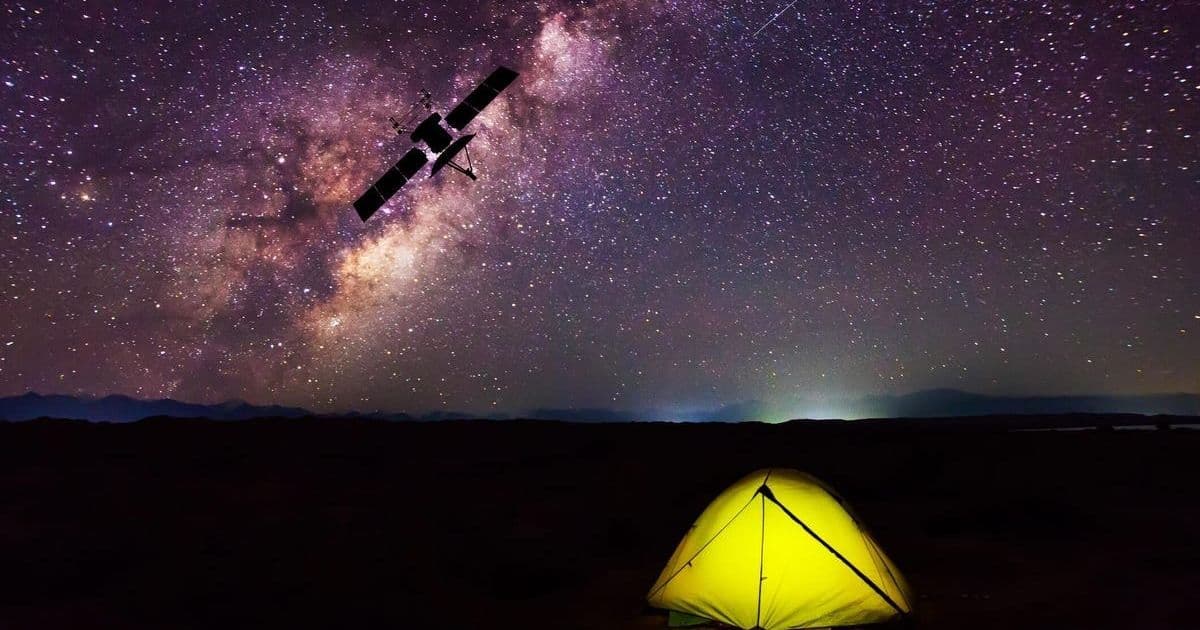
T-Mobile has significantly upgraded its Starlink-powered satellite connectivity, moving beyond basic messaging to offer essential app access in remote areas. Users can now leverage WhatsApp, Google Maps, X, AllTrails, and weather services even without cellular coverage, enhancing safety and connectivity for outdoor adventures.
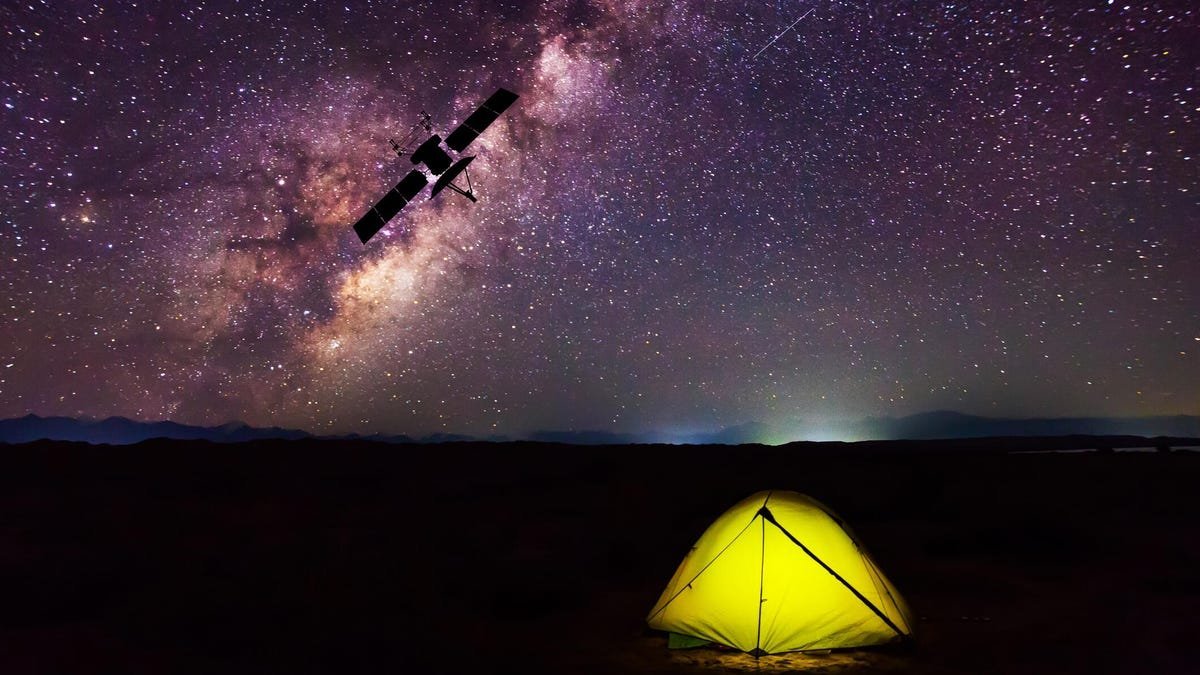
T-Mobile's satellite connectivity service, powered by SpaceX's Starlink network, has taken a significant leap forward. Initially launched as an emergency texting solution for areas beyond cellular reach, the service later added photo, audio, and video sharing. Now, it has evolved into a more robust off-grid communication and navigation tool with the integration of several key applications.
Beyond SOS: Essential Apps Go Satellite
The newly added app functionality transforms T-Satellite from a basic emergency lifeline into a practical tool for adventurers, travelers, and anyone venturing off the beaten path. The supported apps include:
- WhatsApp: Send messages, voice notes, photos, and make calls securely via the popular messaging platform. T-Mobile notes that while voice calls are possible, traditional SMS-to-911 remains the recommended emergency method.
- Google Maps: Access maps, aerial views, and real-time GPS navigation for driving, walking, or cycling – a critical tool for reorientation in unfamiliar, signal-less terrain.
- X: Stay updated, share posts (including text, photos, GIFs, videos), and engage with trending topics, with options to control high-resolution media loading to conserve limited satellite bandwidth.
- AllTrails: Navigate over 500,000 trails worldwide and share your real-time location.
- AccuWeather: Receive hyperlocal forecasts, minute-by-minute precipitation predictions, severe storm alerts, UV index, and air quality reports.
- CalTopo: Create custom maps for hiking, skiing, or climbing, featuring route plotting, real-time location tracking, slope angle shading, and wildfire layer overlays.
- onX Suite (Backcountry, Hunt, Offroad, Fish): Access detailed maps for various outdoor pursuits, including property boundaries, trails, routes, and environmental data like weather and animal movement.
- T-Life: T-Mobile's customer service hub, allowing users to manage satellite services, share location via SMS, and chat with support.
Technical Implications and Accessibility
This expansion highlights the maturing capabilities of direct-to-cell satellite technology. Enabling app functionality over satellite links, which have inherently lower bandwidth and higher latency than terrestrial networks, requires significant optimization. Features like controlling high-res media loading on X demonstrate an awareness of these constraints.
Accessibility is broadening:
- Included Plans: T-Satellite is free on T-Mobile's premium 'Experience Beyond' and 'Go5G Next' plans.
- Add-On Option: Available for $10/month on other qualifying plans.
- Device Compatibility: Supports iPhone 13 and newer, Google Pixel 9 series and newer (including a-series), most Motorola phones from 2024/2025, most Samsung phones since 2023, and T-Mobile REVVL 7/8.
Why This Matters: Bridging the Connectivity Gap
This upgrade represents a tangible step towards ubiquitous connectivity. It moves satellite service beyond the niche of emergency SOS towards practical, everyday utility for specific user groups:
- Enhanced Safety: Real-time navigation (Google Maps, AllTrails, CalTopo, onX) and weather alerts (AccuWeather) directly address critical safety concerns for remote workers and outdoor enthusiasts.
- Maintained Communication: WhatsApp integration provides a familiar channel for staying in touch with family, colleagues, or emergency contacts where traditional networks fail.
- Market Pressure: T-Mobile's aggressive expansion, leveraging SpaceX's rapidly growing Starlink constellation, intensifies competition in the satellite-to-phone space, pushing rivals like AT&T (partnering with AST SpaceMobile) and Apple's Emergency SOS via Satellite to innovate further.
The addition of app support signifies that satellite connectivity is transitioning from a last-resort safety net to a more integrated part of the mobile experience for those who need it most. While bandwidth limitations mean it won't replace terrestrial networks for streaming or large downloads anytime soon, T-Mobile and Starlink are steadily chipping away at the concept of being truly 'off the grid'. The future of connectivity is looking up – literally.
Source: Based on reporting from ZDNet (https://www.zdnet.com/article/t-mobiles-starlink-satellite-service-just-got-a-huge-app-upgrade-adding-whatsapp-maps-and-more/)
Comments
Please log in or register to join the discussion