
The US-Iran conflict has created a critical chokepoint at the Strait of Hormuz, threatening Taiwan's chip manufacturing industry with potential energy and materials shortages that could disrupt global semiconductor supply chains.
The escalating US-Iran conflict has entered its third week, creating a deadly new chokepoint at the Strait of Hormuz that threatens to cripple Taiwan's semiconductor industry. This strategic waterway, through which approximately 20% of global oil supplies pass, has become a critical vulnerability for the world's chip manufacturing hub.
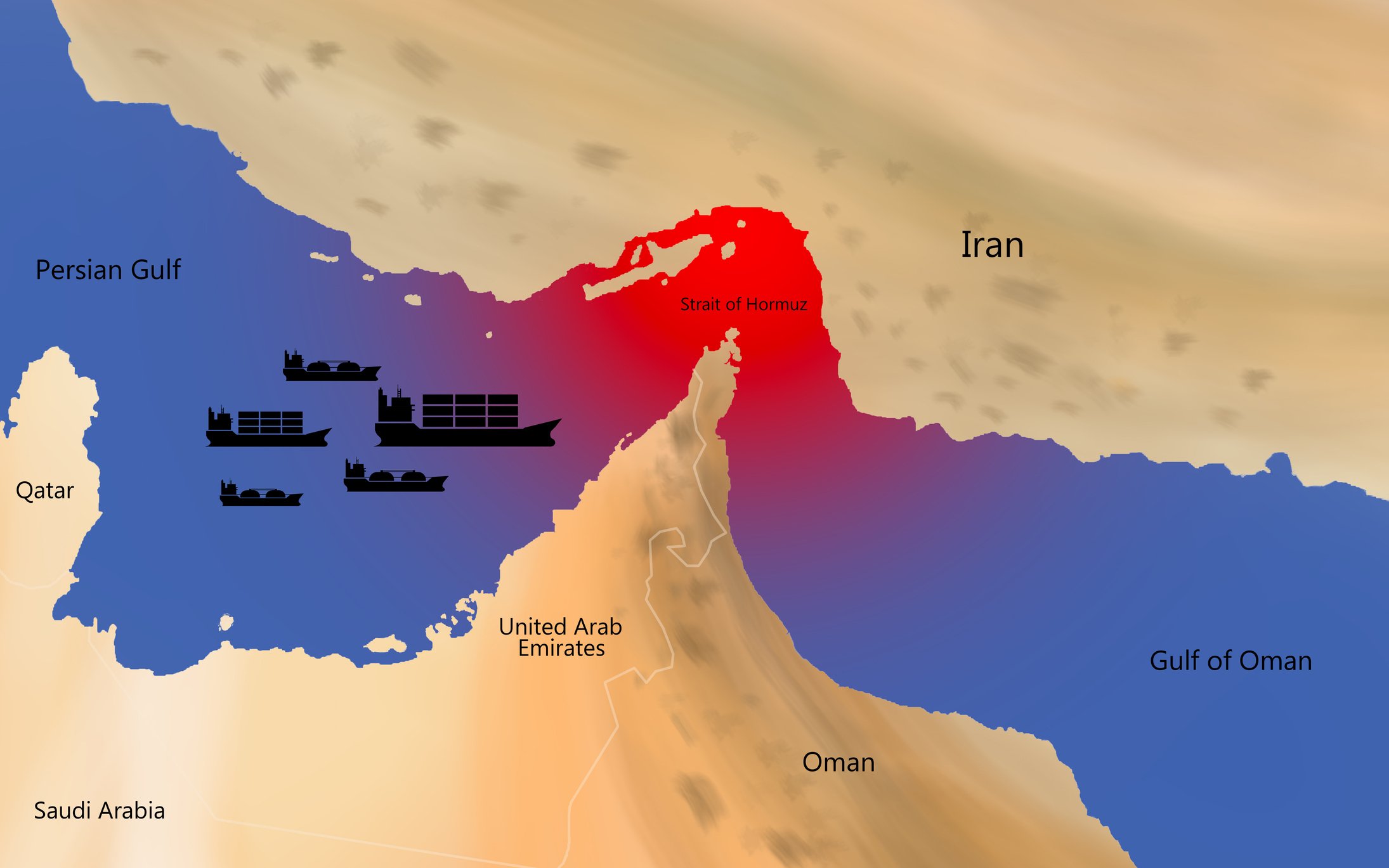
Taiwan imports approximately 97% of its energy needs, with the Middle East supplying 37% of the liquefied natural gas (LNG) that powers the island's electric grid. This electricity is essential for operating the massive fabrication plants that produce the world's most advanced semiconductors. The country's complete dependence on foreign energy resources has created a precarious situation where geopolitical tensions in the Gulf region directly threaten global technology supply chains.
Beyond energy concerns, Taiwan faces a critical helium shortage that could severely impact chip manufacturing. Helium plays a vital role in semiconductor fabrication, serving both cooling systems and lithography processes. Qatar, located adjacent to Iran in the Gulf region, accounts for approximately one-third of global helium supply. Taiwan imports all of its helium from the United States and Qatar, making it vulnerable to any disruptions in Gulf maritime traffic.
TSMC, the world's largest contract chip manufacturer, operates fabrication facilities with enormous power appetites that require continuous, stable electricity supply. Any interruption in power delivery could force these facilities to shut down, potentially causing billions of dollars in losses and months of production delays. The company's clients include virtually every major technology firm, from Apple to Nvidia, meaning disruptions would ripple through the entire global technology ecosystem.
While Taiwanese authorities have secured LNG and oil supplies through May, the country maintains only 11 days of LNG reserves for emergency situations. Morgan Stanley estimates that additional shipments are en route, though Taiwan likely paid significant premiums for these emergency supplies. The situation remains precarious, with any extended blockade potentially causing severe shortages.
Industry analysts suggest that helium shortages could force chipmakers to prioritize production of higher-margin AI chips over less profitable components. TSMC manufactures all of Nvidia's GPUs, including the AI accelerators that populate most of the world's data centers. These AI chips generate substantially higher profits than consumer offerings like the RTX 50 series, meaning that in a resource-constrained environment, AI chip production would likely take precedence.
This prioritization would exacerbate the already tight semiconductor supply situation caused by the AI boom's insatiable demand for silicon. Memory manufacturers are already almost exclusively catering to AI clients, driving DDR5 prices to record levels. Even consumer GPUs have become more expensive as manufacturers allocate more capacity to AI chip production.
The global semiconductor supply chain has proven remarkably fragile in recent years, with the COVID-19 pandemic, trade tensions, and natural disasters all causing significant disruptions. The current conflict adds another layer of complexity to an already strained system, potentially forcing technology companies to reevaluate their supply chain dependencies and consider alternative manufacturing locations.
Taiwan's government has initiated discussions with American partners to secure June inventory, but the fundamental vulnerability remains. The island's complete reliance on imported energy and materials for its semiconductor industry creates a single point of failure that could have catastrophic consequences for global technology supply chains.
As the conflict continues to escalate, the semiconductor industry faces unprecedented challenges. The combination of energy shortages, material supply constraints, and prioritization of AI chip production could lead to significant disruptions in everything from consumer electronics to automotive manufacturing. The situation underscores the critical importance of supply chain resilience and the need for diversified manufacturing capabilities in an increasingly interconnected global economy.
The ongoing crisis serves as a stark reminder that even the most advanced technological capabilities remain vulnerable to geopolitical tensions and supply chain disruptions. As the world becomes increasingly dependent on semiconductors for everything from smartphones to artificial intelligence, ensuring the stability and security of chip manufacturing becomes not just an economic imperative but a matter of national security for many nations.
Comments
Please log in or register to join the discussion