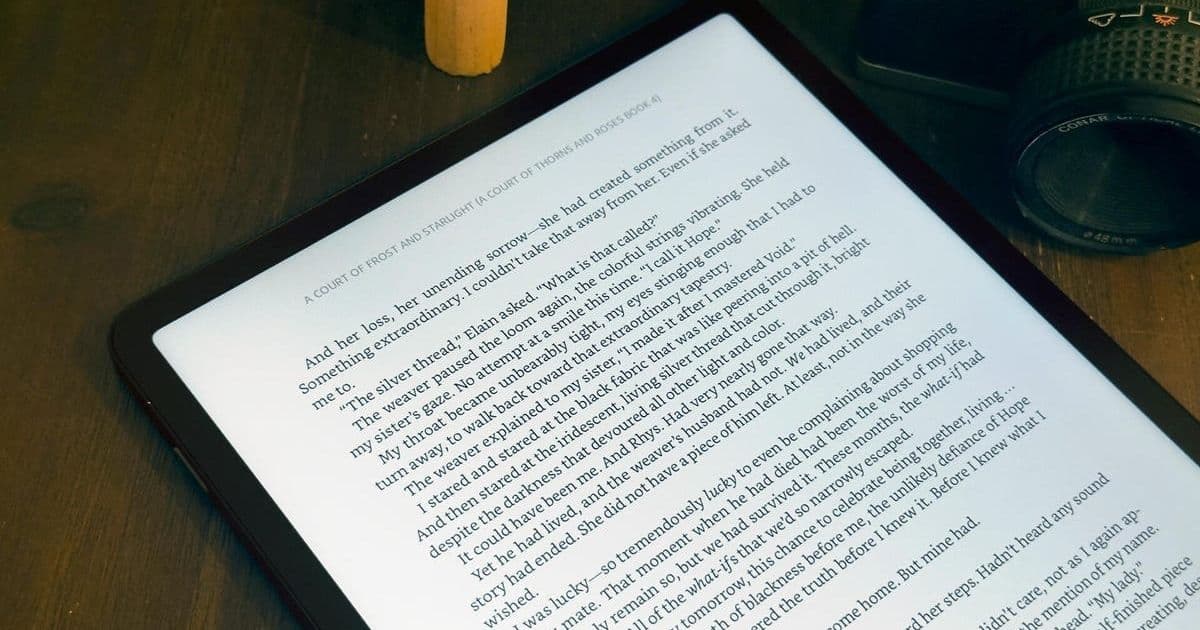
The $249 TCL Nxtpaper 11 Plus tablet merges vibrant multimedia performance with an e-reader-like display, challenging premium rivals through its innovative Nxtpaper 4.0 technology. By reducing blue light by 61% and offering seamless mode switching, it addresses eye strain while delivering 256GB storage and 120Hz responsiveness. For developers and tech enthusiasts, this represents a leap in accessible, health-conscious hardware design.
In a tablet market often criticized for incremental updates, the TCL Nxtpaper 11 Plus emerges as a disruptor—blending the versatility of an Android tablet with the readability of an e-reader at just $249. ZDNET's hands-on testing reveals a device that not only challenges pricier alternatives like the iPad and Kindle but also pioneers solutions for digital eye fatigue, a growing concern among developers and heavy screen users.
Innovation Beyond the Screen
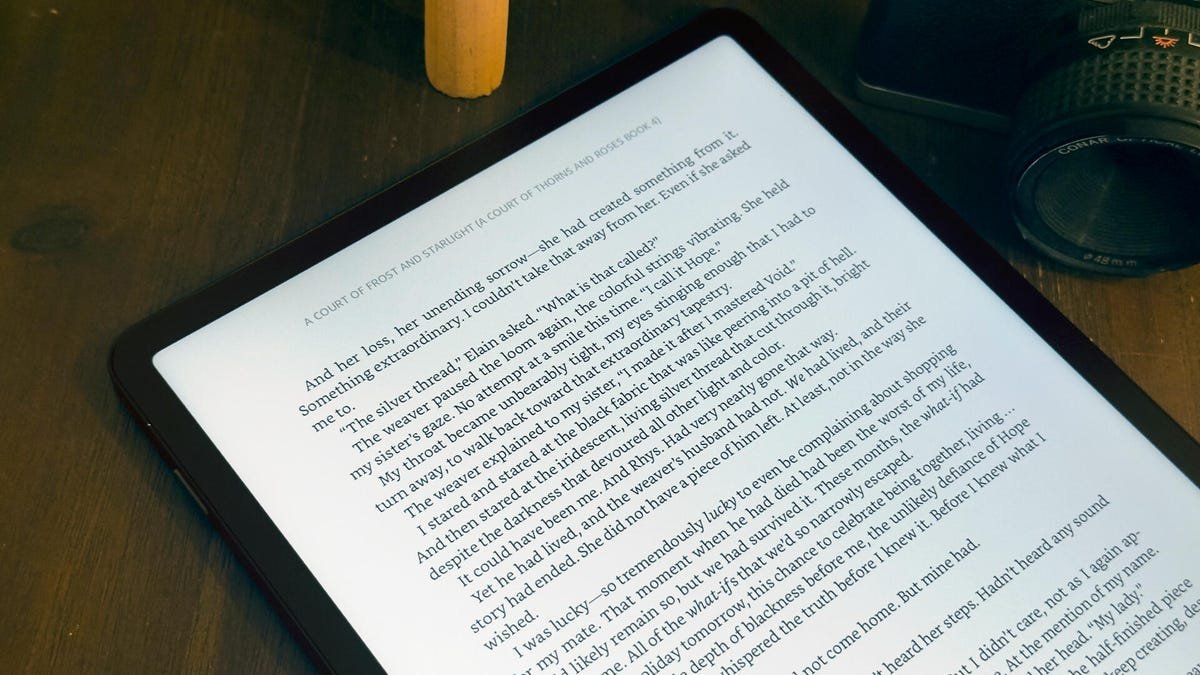
At its core, the Nxtpaper 11 Plus leverages TCL's upgraded Nxtpaper 4.0 technology, allowing users to toggle between a full-color, 120Hz refresh rate display and an e-ink-like "ink paper" mode via a dedicated hardware button. This isn't just a software tweak; the matte display actively filters 61% more blue light than conventional tablets, with adaptive brightness and reading modes that mitigate eye strain during prolonged use. As Maria Diaz notes in her ZDNET review, this feature proved transformative: "By the end of the night, my eyes weren't straining or exhausted, and my tension headaches even became milder."
Performance-wise, the tablet defies its budget label. With 256GB of storage, expandable RAM to 8GB, and a MediaTek chipset, it handles multitasking and media consumption smoothly—a rarity in sub-$300 Android tablets. Crucially, TCL avoids bloatware, ensuring a stable experience that developers can rely on for testing or as a secondary device.
Real-World Trade-offs and Industry Implications
The compromises are measured: at 17.3 ounces, it's heavier than dedicated e-readers, necessitating accessories like hand straps for comfortable reading. A case and stylus are sold separately, potentially adding to the cost. Yet, these are minor against its dual-role appeal. Diaz emphasizes its practicality: "I could switch to ink paper mode when ready for bedtime reading, instead of putting my tablet away to grab my Kindle."
For the tech industry, the Nxtpaper 11 Plus signals a shift toward hybrid devices that prioritize user health without sacrificing functionality. Its success could pressure competitors to integrate similar display technologies, especially as remote work and digital reading surge. As Diaz concludes, it's "worth every penny"—not just as a gadget, but as a blueprint for affordable innovation.
Source: ZDNET
Comments
Please log in or register to join the discussion