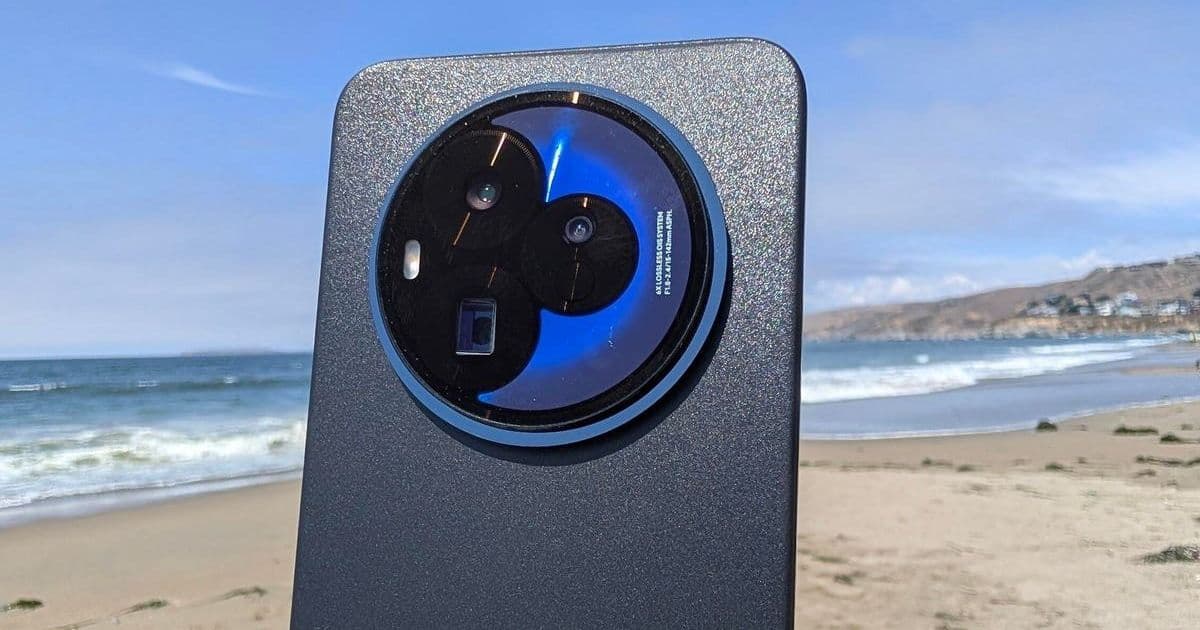
TCL's Nxtpaper 60 Ultra redefines 'Ultra' by prioritizing eye comfort and stylus usability over raw specs, featuring a unique paper-mimicking display and EMR-powered pen. This mid-range contender offers innovative solutions for screen fatigue but faces camera and AI limitations, signaling a shift toward user wellness in smartphone design.
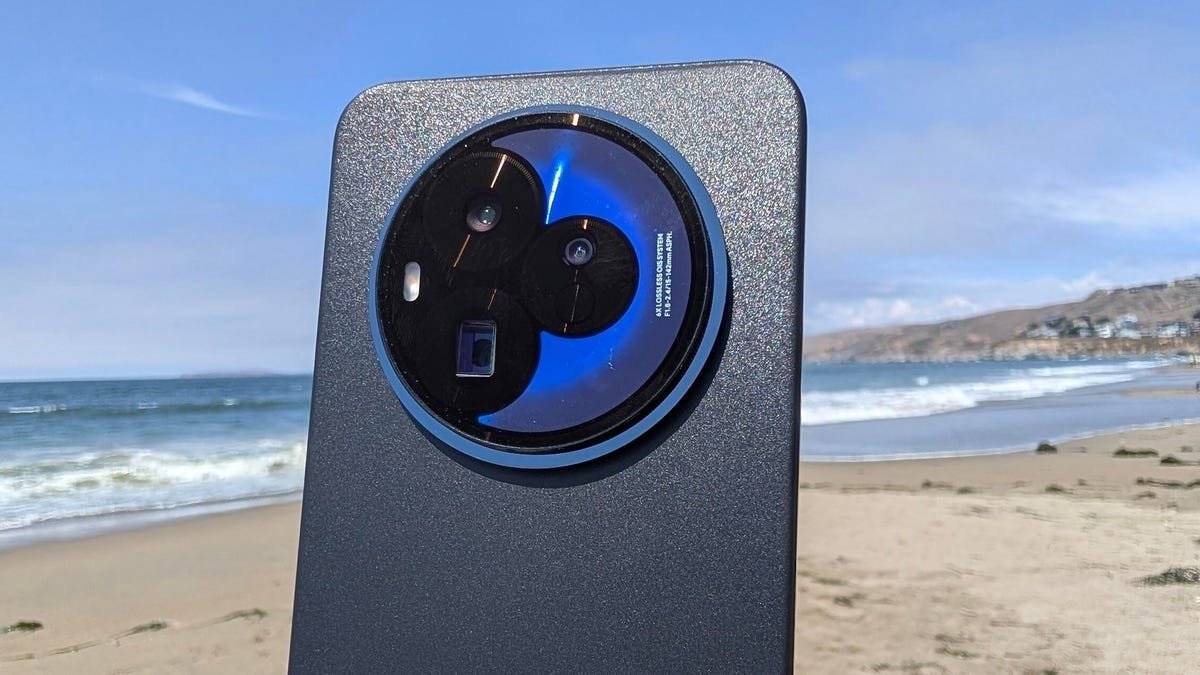
In an industry dominated by spec wars and blinding OLEDs, the TCL Nxtpaper 60 Ultra emerges as a rebellious mid-range contender. Priced at €449-€499 and currently available in Europe, Latin America, and Asia-Pacific, this device swaps bleeding-edge performance for a revolutionary approach to display technology and eye comfort. Its 7.2-inch Nxtpaper 4.0 screen—with a matte, anti-reflective finish and 120Hz refresh rate—mimics the tactile feel of e-ink while eliminating harmful PWM flickering. As Jason Howell notes in his ZDNET review: "The panel can dim all the way down to two nits... bedtime scrolling stayed peaceful even with the lights out."
The Display Revolution: Beyond Brightness
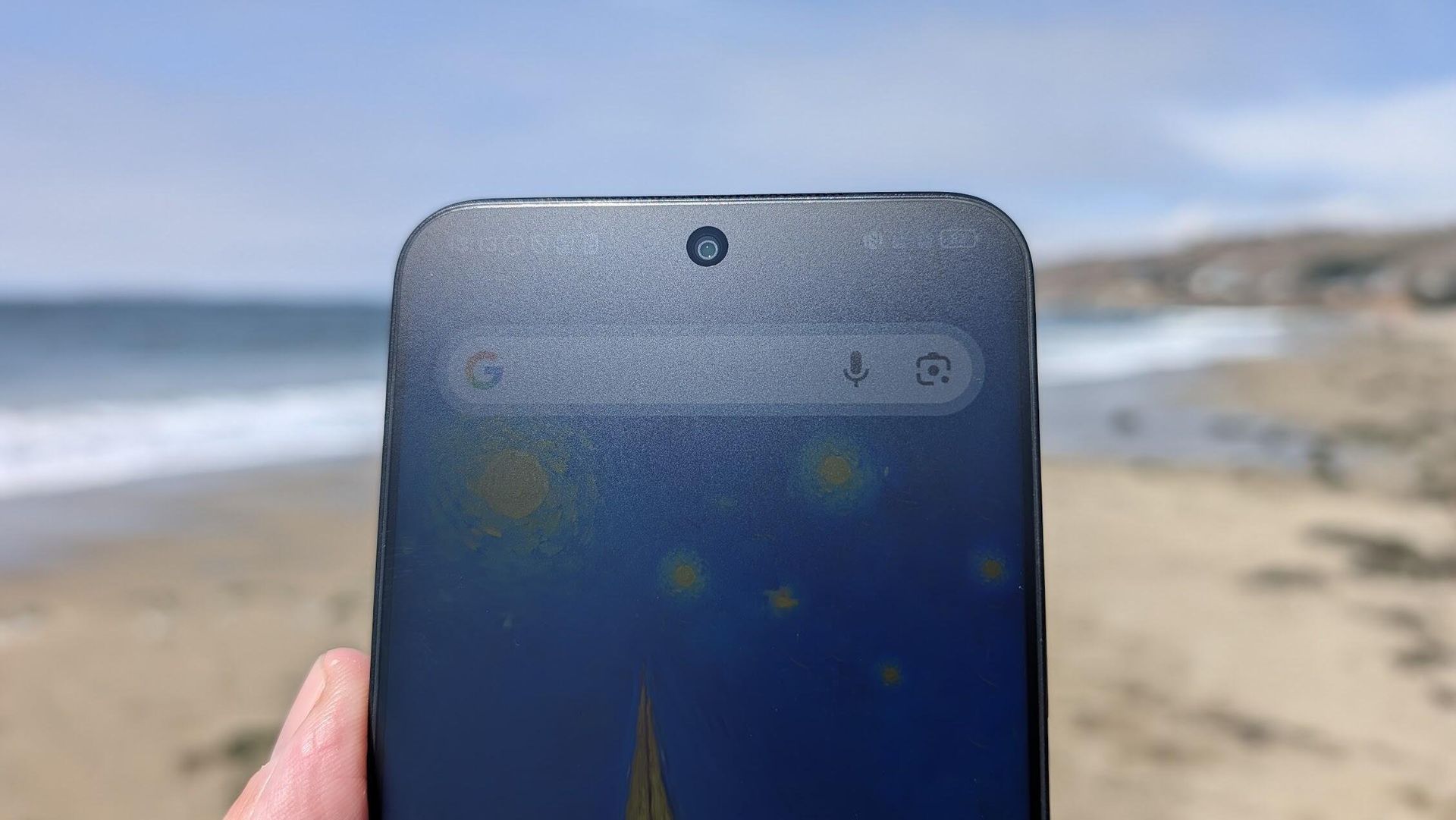
At its core, the Nxtpaper technology layers advanced filters over an LCD panel to reduce blue light by up to 61% without color distortion, extending usability to just 3.4% battery levels. A physical side switch toggles three modes:
- Max Ink Mode: Full grayscale with app restrictions, boosting battery life to "hundreds of hours" for distraction-free reading.
- Ink Paper Mode: System-wide grayscale that temporarily reverts to color for media.
- Color Paper Mode: Desaturated hues for video-friendly eye comfort.
Howell observes: "That sudden burst of color from black and white really helped me appreciate just how vibrant this panel can be." Yet, the matte coating struggles in direct sunlight, a trade-off for its fingerprint resistance.
Stylus Excellence in a Surprising Package
The included T-Pen stylus leverages Electro-Magnetic Resonance (EMR) technology—akin to Wacom and Samsung's S Pen—delivering 4,096 pressure levels with zero latency. The screen's texture creates authentic paper-like friction, enhancing note-taking and sketching. Howell praises: "I noticed a faint sound when writing that adds to the illusion." However, the stylus lacks onboard storage, requiring a bulky case that exacerbates the phone's already sizable 7.2-inch footprint.
Performance and Compromises
Powered by a MediaTek Dimensity 7400 and 12GB RAM, the device handles daily tasks and gaming smoothly but lags during camera operations. The 5,200mAh battery excels, supporting all-day use with 33W fast charging, though wireless charging is absent. AI features like summarization and Magic Eraser fall short, with Howell criticizing the Bookshelf app's text-to-speech as "robotic." On the upside, TCL commits to three Android updates and seven years of security patches—a rarity in mid-range segments.
Camera: A Mixed Bag with a Periscope Surprise
The 50MP periscope lens enables 3x optical and 6x quality zoom, a standout for the price. Howell highlights its utility for macros but warns: "TCL's processing is harsh and unusable at 100x." The primary sensor captures decent shots in ideal light, while the 8MP ultrawide disappoints, revealing cost-cutting.
Why This Matters for Tech Innovation
The Nxtpaper 60 Ultra isn't a flagship killer but a paradigm shift—proving that eye comfort, battery efficiency, and thoughtful ergonomics can outweigh brute performance. For developers, its EMR integration opens avenues for creative apps, while the display tech hints at future anti-fatigue solutions in AR/VR. As Howell concludes: "This is not a spec-chasing flagship... positioned as an 'Ultra' in terms of comfort." If TCL addresses U.S. availability and refines its AI, this could inspire a wellness-focused wave in smartphone design.
Source: ZDNET, Jason Howell
Comments
Please log in or register to join the discussion