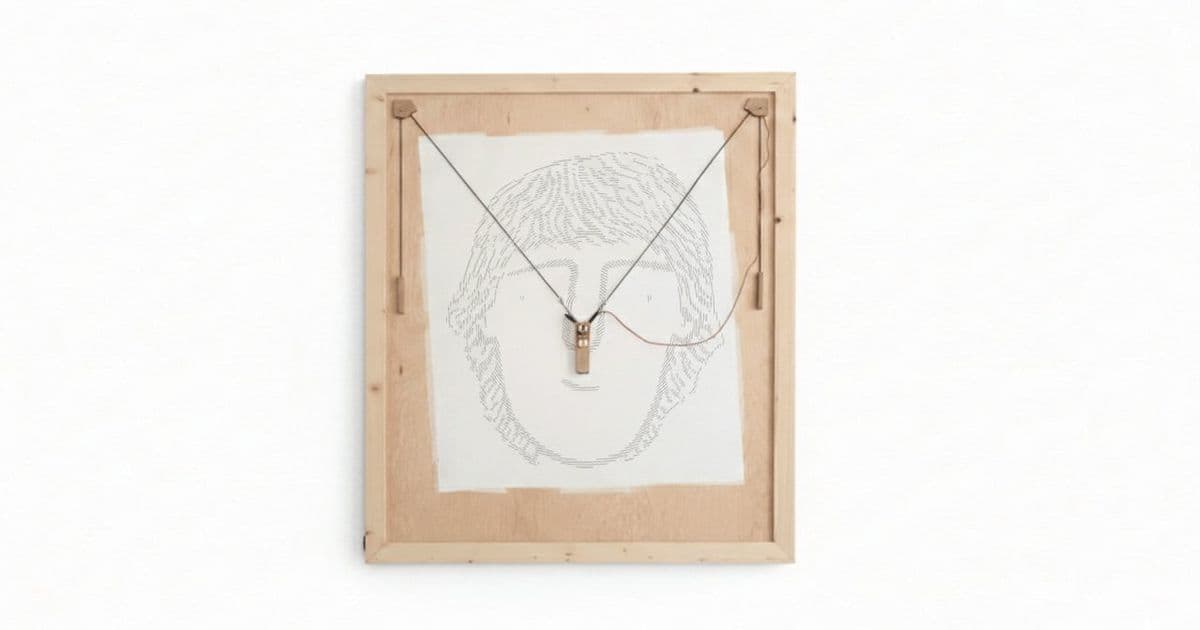
A hardware innovator bridges generative AI and mechanical art with an open-source wall plotter that could democratize dynamic interior design.
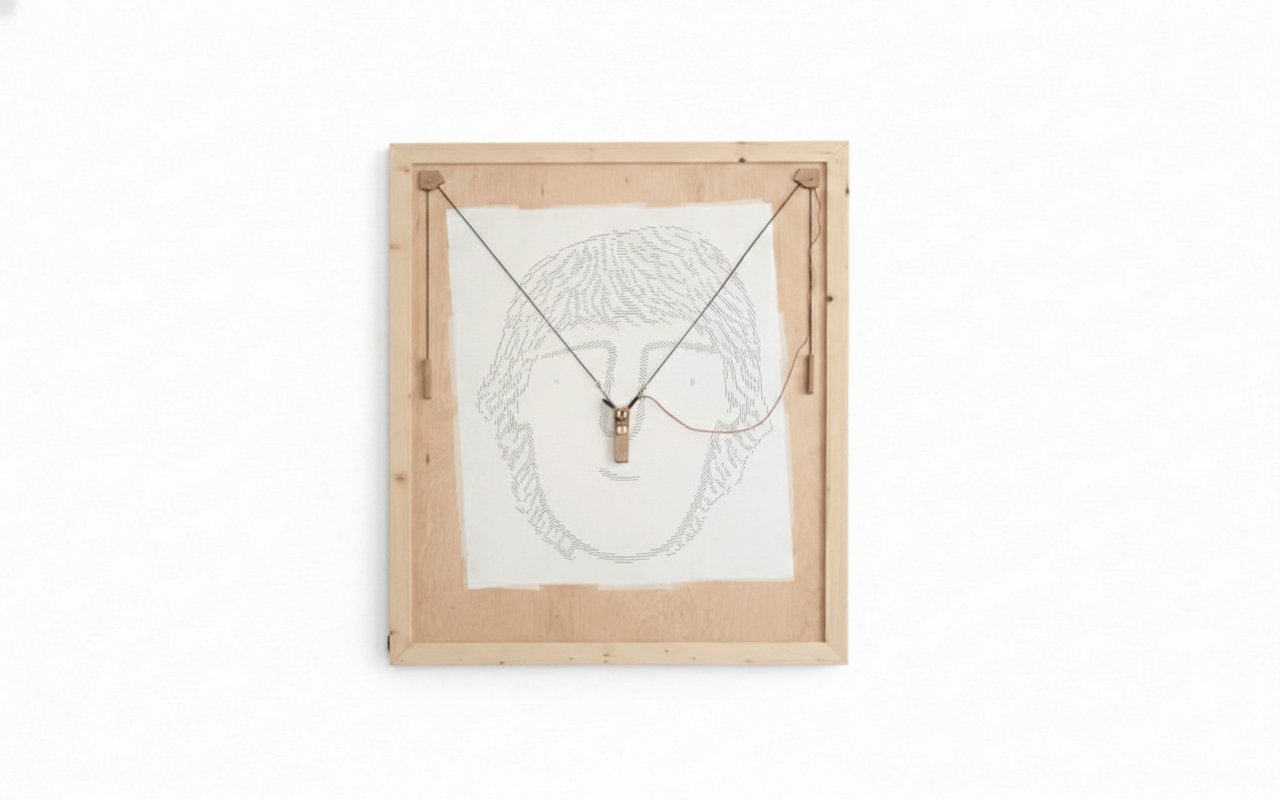
San Francisco-based maker Teddy Warner has resurrected his high school-era Generative Pen-trained Transformer (GPenT) project, creating a wall-mounted polargraph that merges mechanical engineering with modern AI capabilities. While currently a personal project, the system demonstrates how accessible hardware could disrupt the $1.3B generative art market.
The Machine Behind the Magic
Warner's design uses two NEMA 17 steppers mounted on a custom maple plywood frame (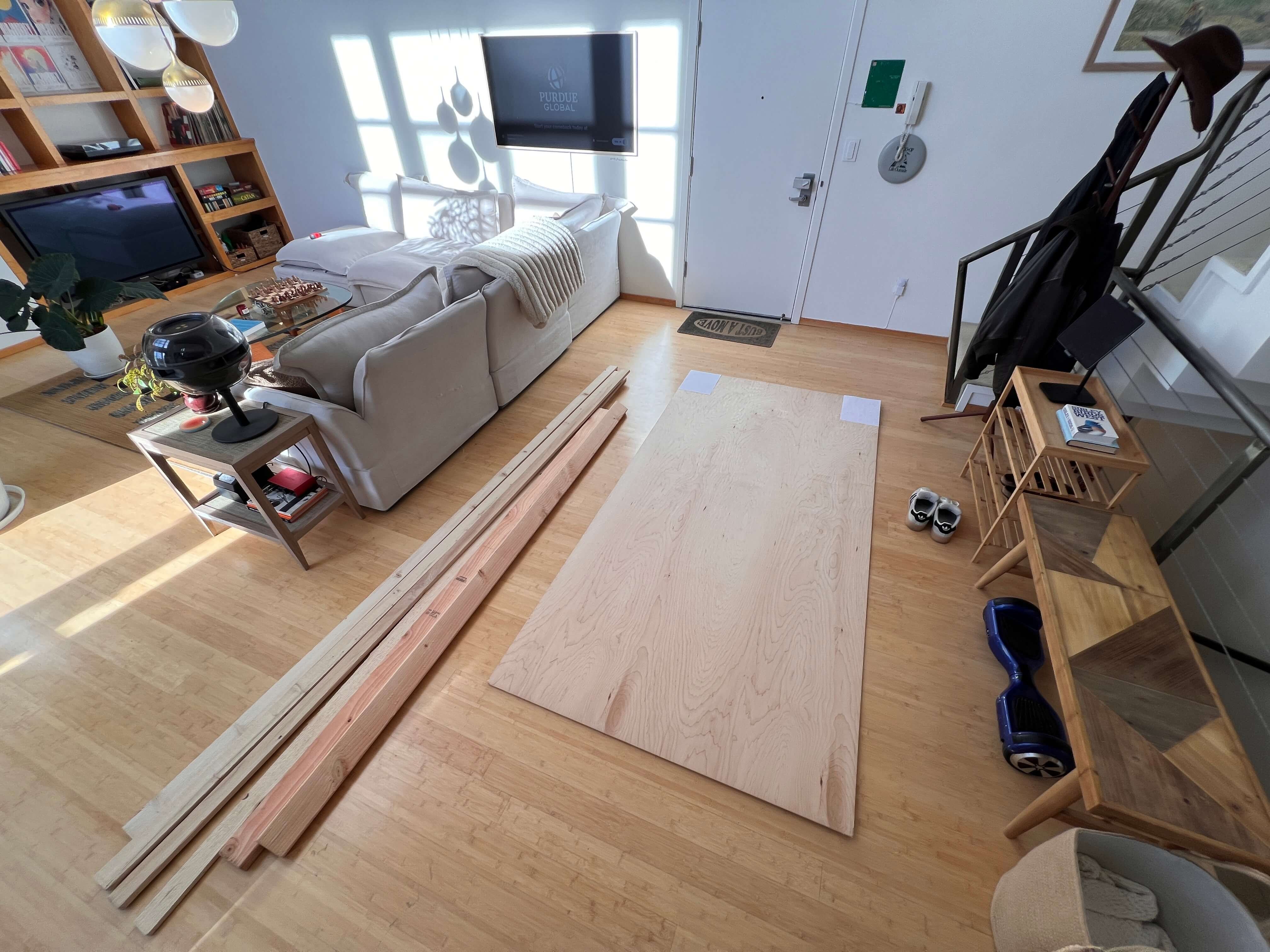 ) to control a gondola holding Sakura Pigma Micron pens. The 48"x60" device employs:
- Titanium-weighted counterbalances for precise movement
- A servo-actuated pen lift mechanism
- French cleat mounting for easy installation
The open-source firmware adapts Marlin for polar coordinates, while a Raspberry Pi 5 hosts Warner's custom web interface (plotter.onethreenine.net) that converts AI-generated patterns into plottable G-code.
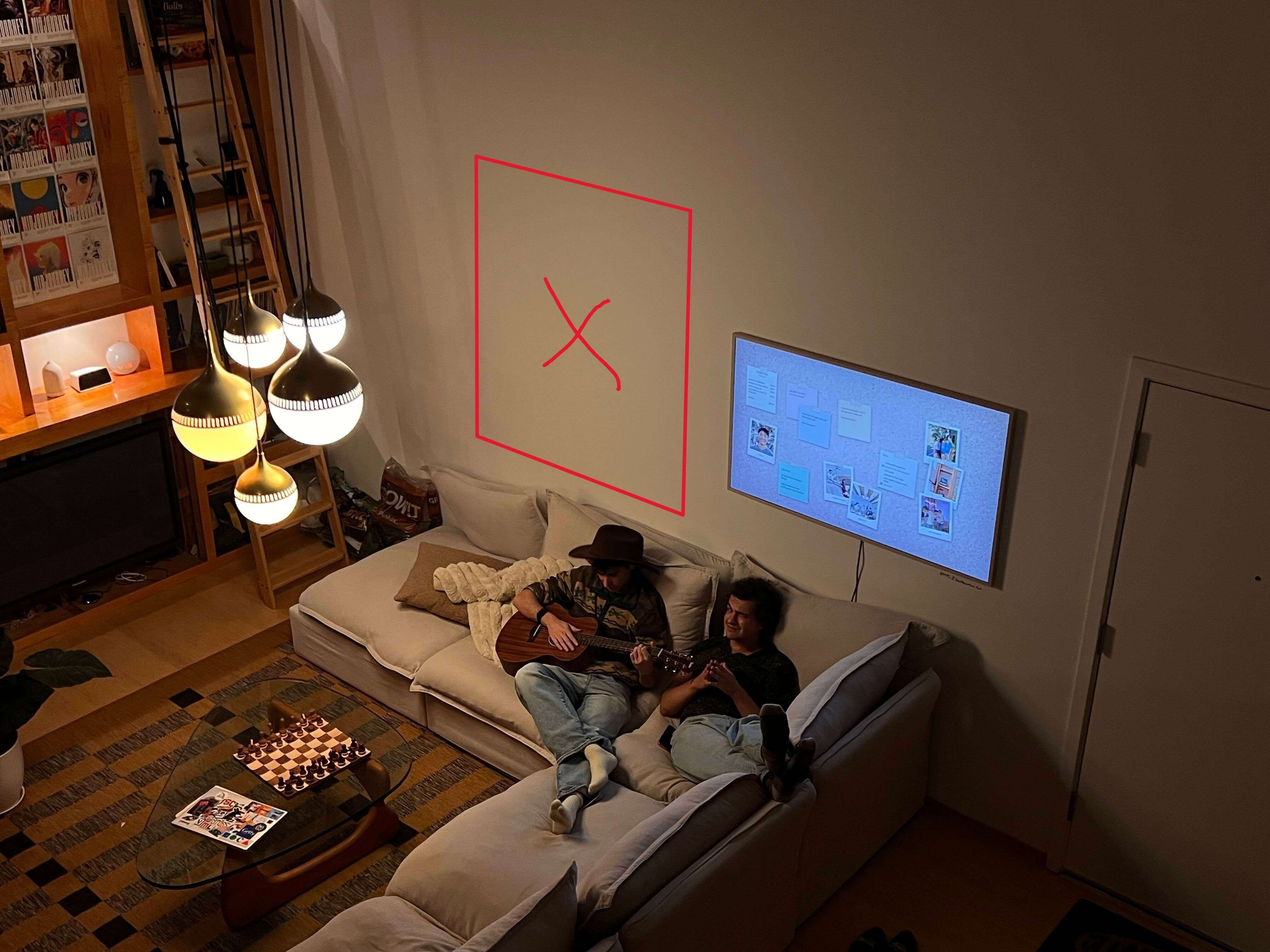
From Sonakinatography to Stable Diffusion
What makes GPenT noteworthy is its three-tiered generative approach:
- Algorithmic patterns: Implements Channa Horwitz's 1960s Sonakinatography notation system
- LLM orchestration: Uses Google's Gemini API to coordinate drawing parameters
- Experimental diffusion: Trains a 200M parameter model to convert Stable Diffusion latents directly to G-code
While the diffusion model currently produces abstract outputs (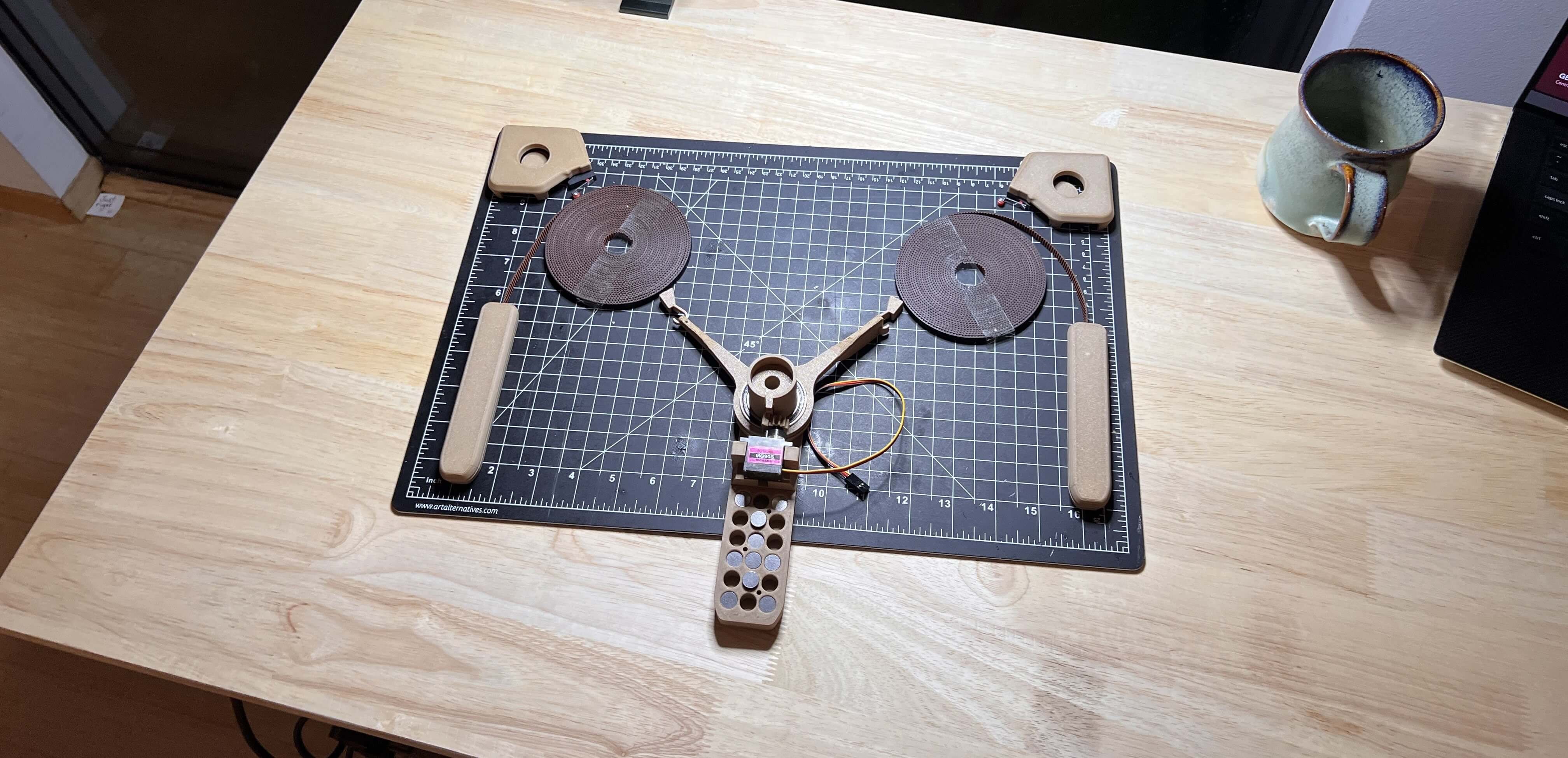 ), the Gemini integration already enables natural language prompts like "midnight forest" to generate coordinated drawing sequences.
Market Potential
Though not yet commercialized, Warner's $595 BOM (full parts list) suggests viability for:
- Art studios seeking dynamic installations
- Architects prototyping decorative elements
- Educators teaching computational art
Several generative art startups have attracted significant funding recently:
- Artomatix raised $4.5M for AI-assisted creative tools
- Articulated secured $2.1M for algorithmically-generated murals
- Plotify (YC W24) is commercializing desktop pen plotters
Warner's fusion of accessible hardware ( ) with AI interfaces could position GPenT as an intriguing open-source alternative in this space. The project demonstrates how personal fabrication tools might follow the trajectory of 3D printers - starting as hobbyist devices before finding commercial applications.
For makers interested in replicating the build, Warner provides complete assembly instructions and a live demo interface. The next evolution might involve integrating real-time camera feedback or developing a subscription model for AI-generated art sequences.
Comments
Please log in or register to join the discussion