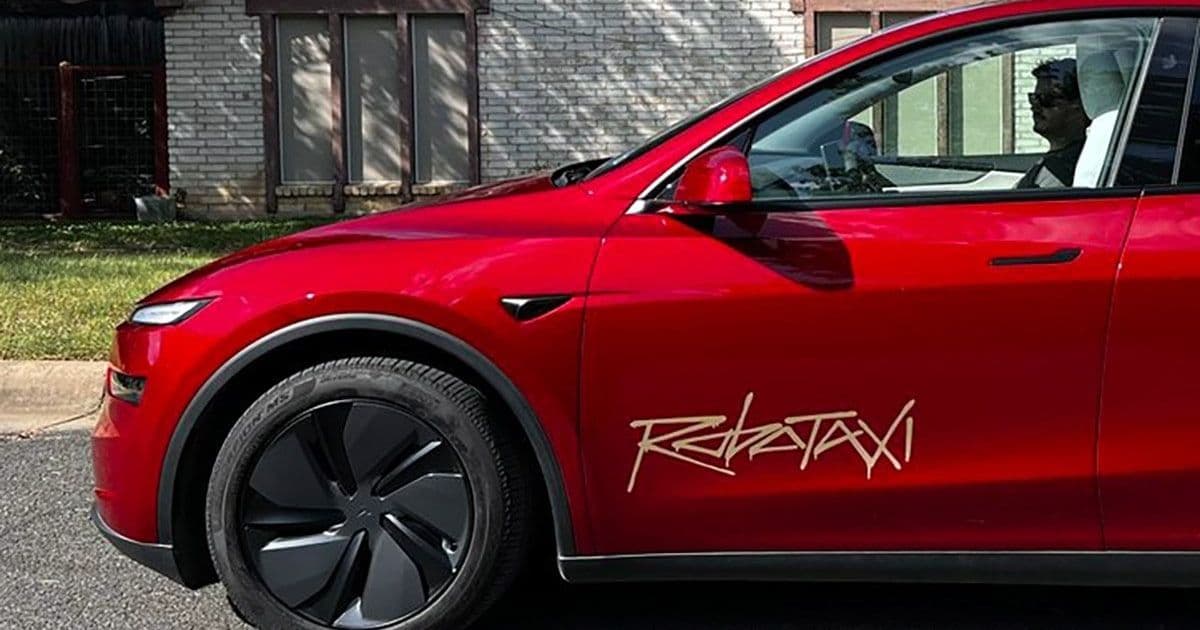
Tesla's unsupervised Model Y robotaxis are experiencing accident rates nearly 10 times higher than human drivers according to NHTSA data, raising safety concerns as the company prepares to expand its autonomous ride-hailing service.
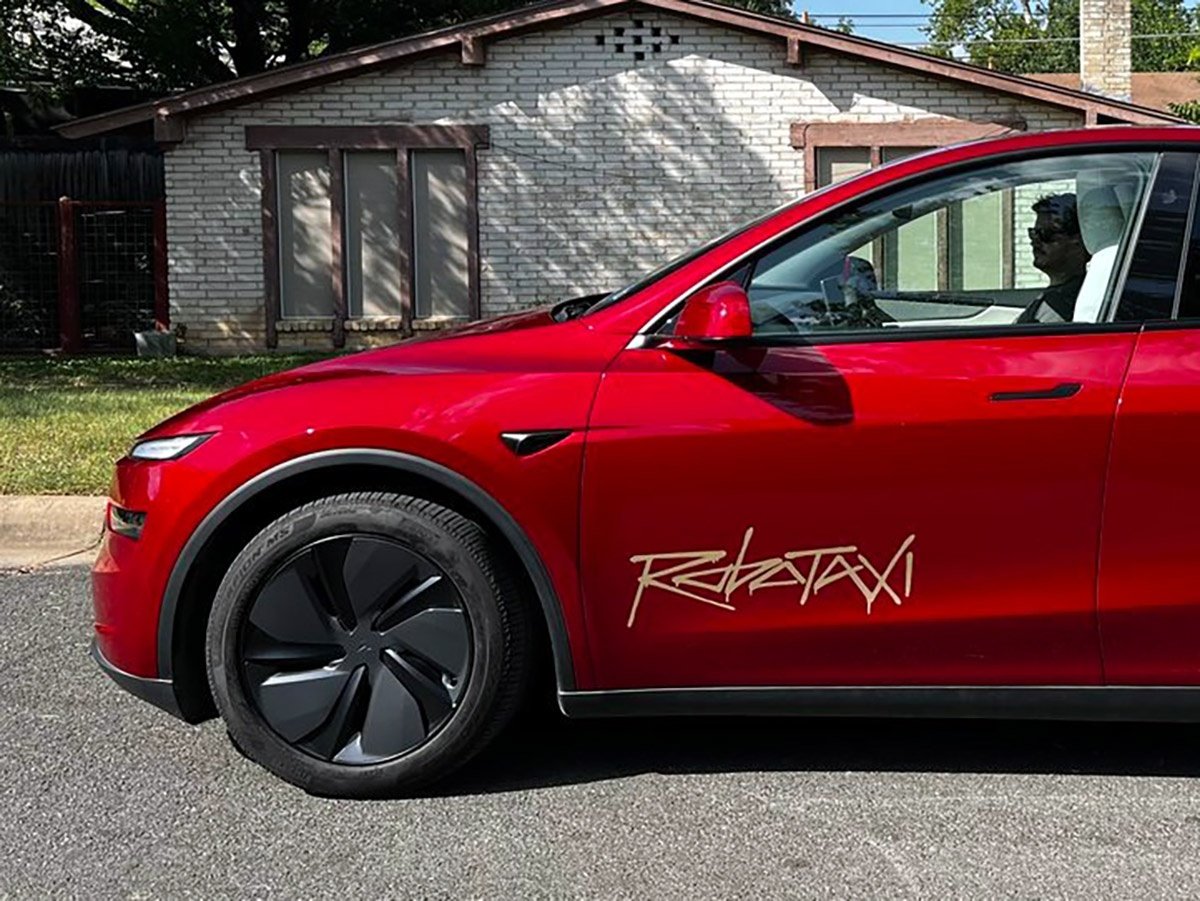
Tesla's ambitious robotaxi program faces mounting safety questions as federal data reveals accident rates significantly exceeding human driver performance. According to mandatory reports filed with the National Highway Traffic Safety Administration (NHTSA), Tesla's fleet of approximately 500 unsupervised Model Y robotaxis operating in Austin and San Francisco logged five collisions in Austin alone during February 2026. This monthly figure approaches more than half the nine incidents recorded throughout all of 2025 in the same location, signaling a concerning acceleration in mishaps.
The timing coincides directly with Tesla's January 2026 decision to remove human safety monitors from these vehicles. These Model Y robotaxis operate on an exclusive Full Self-Driving (FSD) software branch that bypasses regulatory requirements for driver supervision. While Tesla has simultaneously expanded its ride-share fleet size, the correlation between removing safety monitors and the incident surge warrants scrutiny given the narrow timeframe.
Current NHTSA data indicates Tesla's unsupervised robotaxis experience approximately one incident every 57,000 miles driven. This dramatically underperforms both the US human driver average of one incident per 500,000 miles and Tesla's own claims that supervised Autopilot systems are "6x safer than humans." The robotaxi incident rate runs nearly tenfold higher than human drivers, creating a substantial safety gap Tesla must address before scaling operations.
Several factors complicate direct comparisons:
- Operational Environment: Unsupervised urban driving (particularly during rush hour) presents radically different challenges than highway Autopilot use
- Data Opacity: Tesla doesn't disaggregate incident statistics by software version or autonomy level, lumping supervised and unsupervised systems together
- Incident Severity: Most reported collisions involve property damage during low-speed maneuvers like parking, though hospitalizations have occurred
The timing couldn't be more critical. Tesla plans aggressive expansion into additional US cities later this year alongside the debut of its dedicated pedal-less Cybercab, a two-seater designed without traditional controls. Scaling an unsupervised fleet with current incident rates could exponentially increase collision frequency unless software reliability improves substantially.
As regulatory scrutiny intensifies, Tesla faces pressure to demonstrate measurable safety improvements. The company maintains that real-world data collection accelerates FSD development, but these NHTSA reports suggest removing human oversight may be premature for complex urban environments. Prospective robotaxi users and regulators should monitor whether Tesla's expansion coincides with tangible reductions in incident rates before broader adoption.
Source: NHTSA via TT
Comments
Please log in or register to join the discussion