
Researchers achieve Guinness World Record for smallest QR code with 49nm pixels, enabling ceramic storage densities exceeding 2TB per A4 sheet.
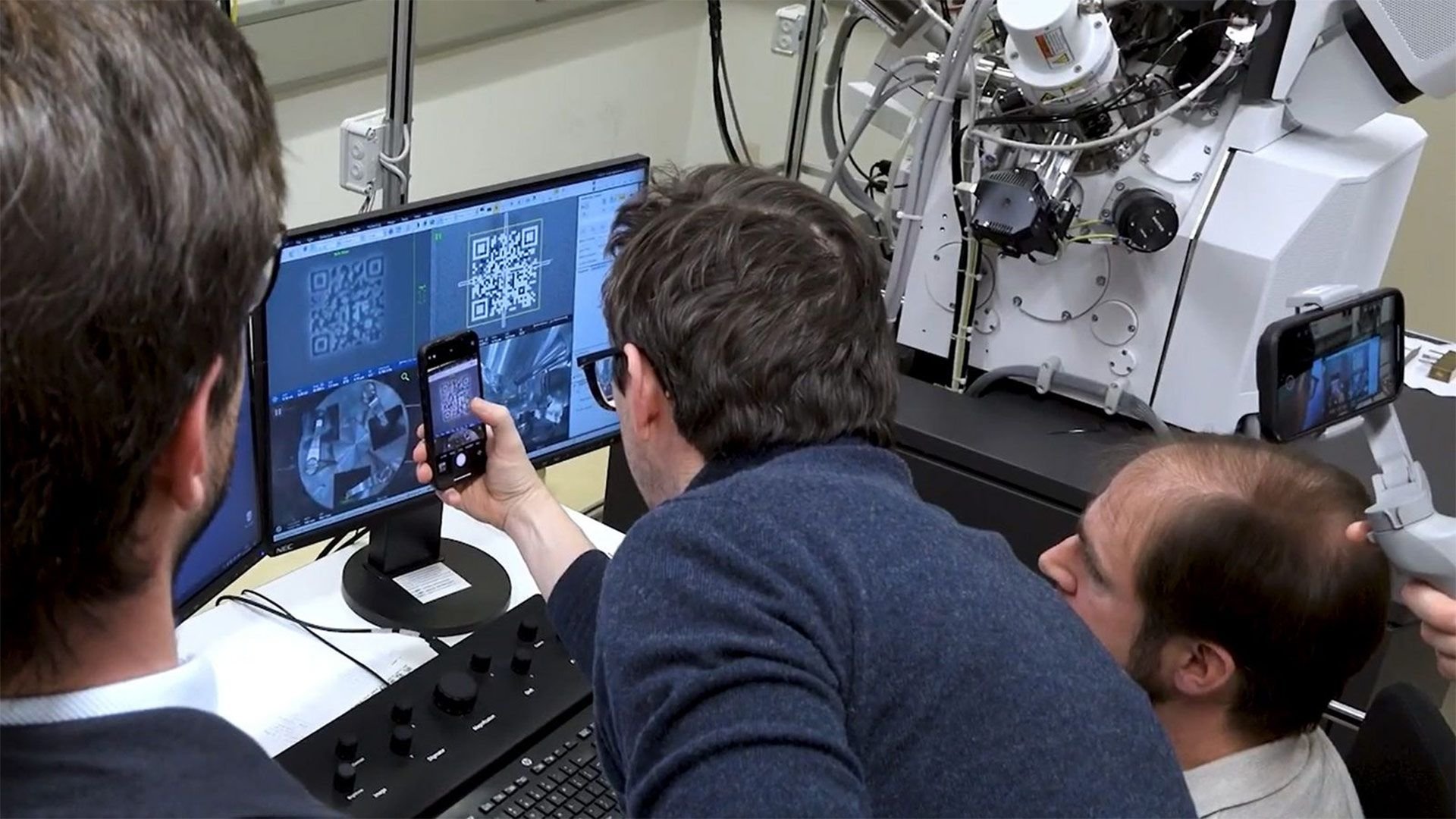
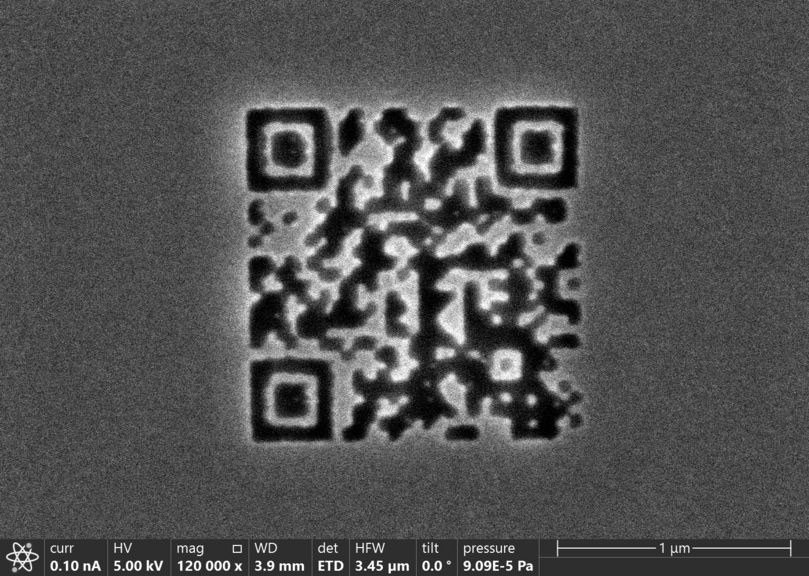
A collaboration between Vienna University of Technology (TU Wien) and data storage startup Cerabyte has set a new Guinness World Record for creating the smallest readable QR codes. These microscopic markers feature pixels measuring just 49 nanometers across, occupying a total area of 1.98 square micrometers – smaller than common bacteria and invisible to optical microscopes. The achievement advances ceramic-based archival storage technology poised to transform long-term data preservation.
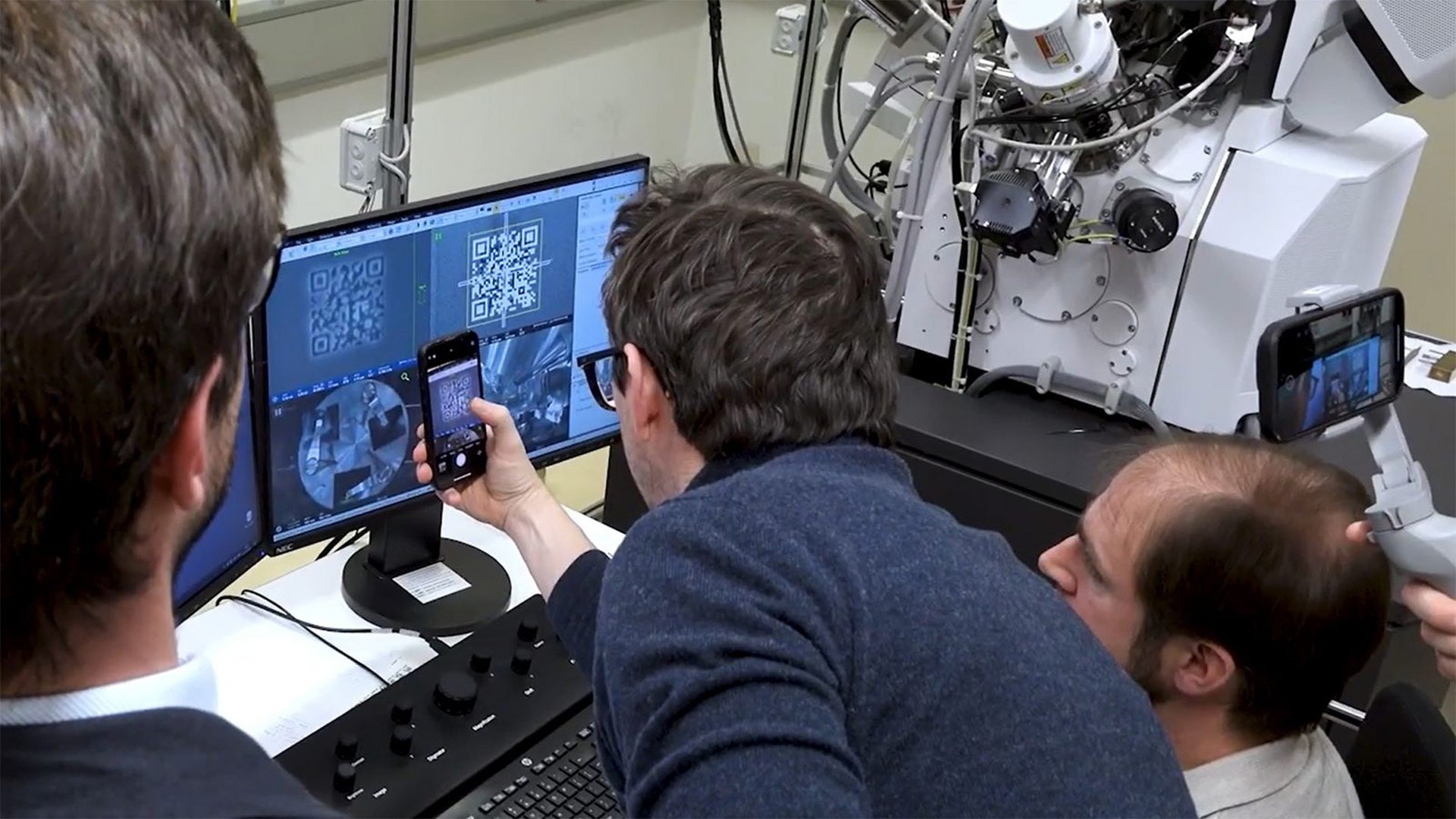
The record-breaking QR codes represent a 37% size reduction compared to the previous benchmark. According to TU Wien's research team, the 49nm pixel dimension specifically balances three critical parameters: extreme miniaturization, structural stability under electron microscopy, and material durability. Each code requires scanning electron microscopy for reading due to features smaller than light wavelengths. "We've created a tiny, but stable and repeatedly readable QR code," stated Professor Paul Mayrhofer from TU Wien's Institute of Materials Science and Technology, emphasizing the engineered reliability of these nanostructures.
Material science underpins this breakthrough. The QR patterns are milled into ceramic layers using advanced lithography techniques. This substrate provides exceptional environmental resistance, maintaining data integrity without energy input or climate control. Cerabyte's technology leverages these properties to position ceramic media as a potential successor to magnetic tape and optical discs for archival storage, citing parallels with ancient civilizations' use of stone tablets for information preservation.
Storage density projections reveal the technology's disruptive potential. Using the 49nm pixel standard, a single A4-sized ceramic film could store over 2TB of data in a single layer. Unlike conventional storage that degrades within decades, ceramic media maintains readability for centuries under normal conditions. The approach eliminates mechanical components found in hard drives and requires no active power for data retention, significantly reducing long-term ownership costs.
Following verification of the world record, TU Wien and Cerabyte are optimizing write speeds and manufacturing scalability. The teams are developing more complex data structures beyond QR codes to increase information density further. This progress builds upon Cerabyte's previous demonstrations of ceramic storage cartridges theoretically capable of 10,000 PB capacities in standard rack units. Western Digital's strategic investment in Cerabyte in May 2023 signals industry validation of the technology roadmap.
Current ceramic storage prototypes achieve write speeds of 1 GB/s using laser patterning, with projected areal densities reaching 10 TB per square inch. As organizations face exponential data growth – with IDC forecasting 175 zettabytes of global data by 2025 – ceramic media offers a sustainable archival solution immune to magnetic decay, heat degradation, and humidity damage. Commercial availability is anticipated within this decade, potentially transforming how enterprises preserve humanity's digital legacy.
Comments
Please log in or register to join the discussion