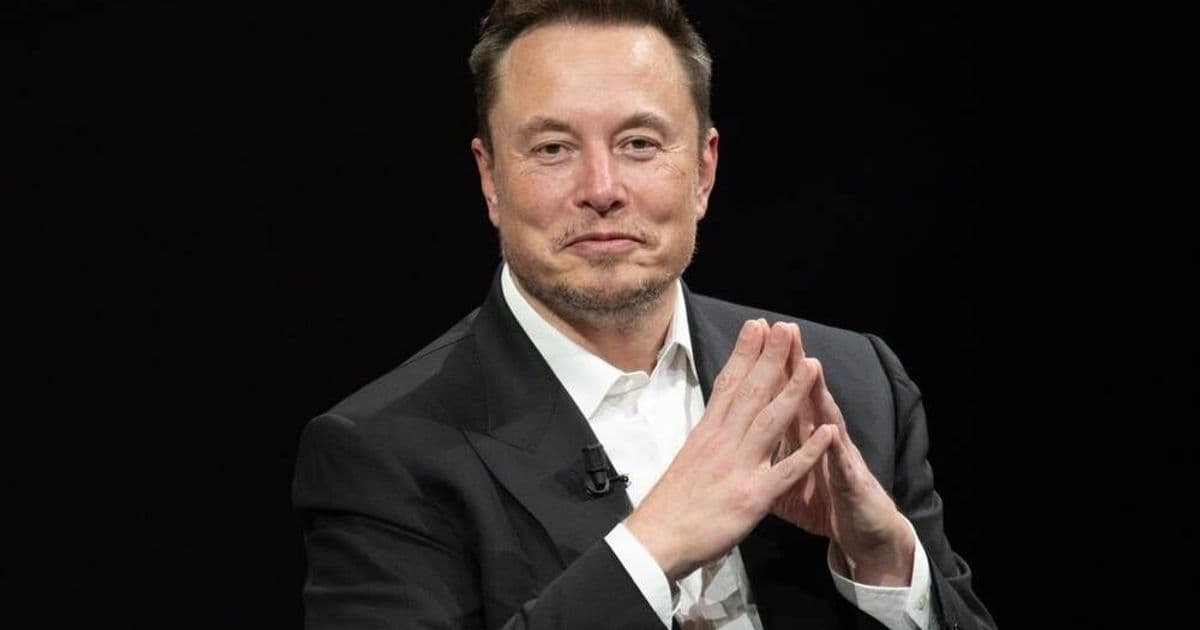
Tesla reports first annual revenue drop as Musk pivots to autonomous vehicles and humanoid robots, betting the future on AI over traditional car sales.
Tesla has posted its first annual revenue decline since going public, reporting $94.8 billion in 2025 revenue, down 3 percent year-on-year, as the electric vehicle giant faces mounting challenges in a crowded market while CEO Elon Musk doubles down on autonomous vehicles and humanoid robots.
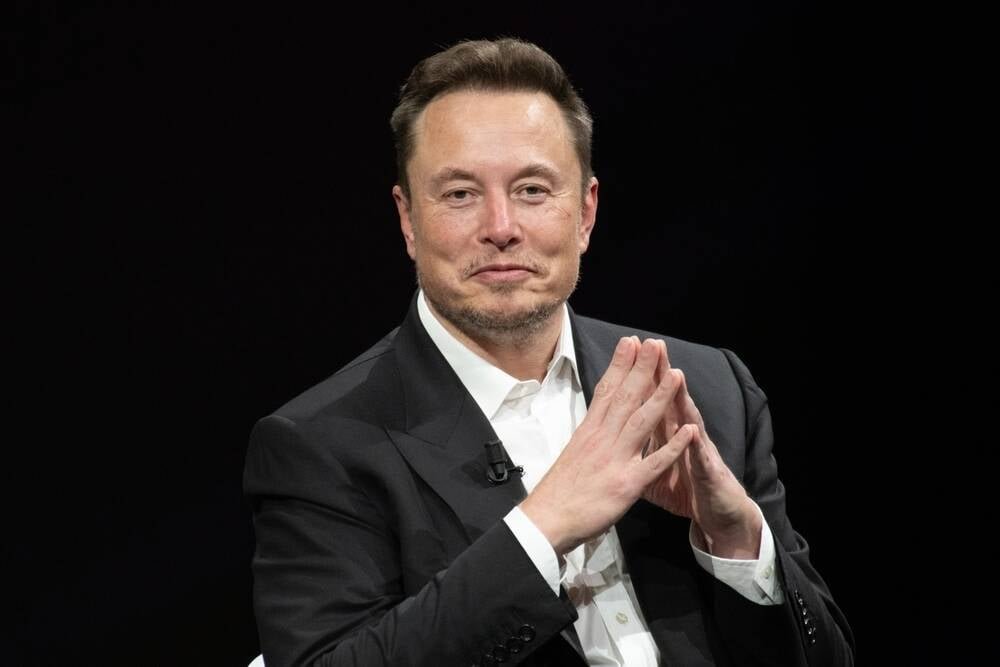
The numbers tell a stark story: quarterly revenue slipped to $24.9 billion, also down 3 percent, while automotive revenue fell 11 percent to $17.7 billion in the fourth quarter. Tesla delivered 418,227 cars in the final three months of 2025 – a 15.6 percent drop compared to the same period in 2024. For the full year, deliveries were down 8.6 percent, marking the steepest annual decline in Tesla's history.
This downturn comes as the EV market becomes increasingly competitive, with Chinese manufacturer BYD pushing aggressively on price and volume. The timing is particularly challenging given Musk's controversial political associations, which have sparked backlash among some customers and investors, complicating Tesla's carefully cultivated brand image.
The financial pain extends beyond revenue. Net income plunged 61 percent in the fourth quarter to $840 million as operating expenses jumped 39 percent. For the full year, profits fell 46 percent to $3.8 billion, Tesla's weakest annual performance since the depths of the pandemic.
Musk's response during the earnings call was characteristically ambitious: pivot away from traditional car manufacturing toward what he calls "amazing abundance" powered by AI and robotics. "The future is autonomous," he declared, outlining a vision where Tesla owners could eventually loan their cars to an autonomous fleet and earn more than their lease payments.
Central to this vision is the Cybercab, a purpose-built robotaxi designed without a steering wheel or pedals, assuming full autonomy will work all the time. Production is expected to begin in April, with Musk predicting Tesla will eventually make "far more Cybercabs than all of our other vehicles combined."
The company is already testing paid robotaxi rides in Austin with "no safety monitor" and claims vehicles are operating with no humans involved at all. Tesla expects to have fully autonomous vehicles operating across as much as half of the US by the end of the year, pending regulatory approval.
Perhaps most dramatically, Musk announced that production of the Model S and X will wind down next quarter, with their Fremont factory space handed over to Optimus, Tesla's humanoid robot. The billionaire described the move as "slightly sad" while sketching a future where the site produces up to a million humanoid robots annually.
This factory transformation represents a fundamental bet that Tesla's future lies not in selling cars but in selling autonomy and robotics. The company warned that 2026 capital expenditure will exceed $20 billion as it funds new factories, expands battery production, builds AI compute infrastructure, and ramps up manufacturing for Cybercab, Semi, Megapack, and Optimus.
Musk even floated the idea of Tesla building its own semiconductor "Terafab," arguing it would be "crazy not to try" given looming chip shortages and geopolitical risk.
For Tesla, the warning lights are flashing red. Revenue is shrinking, profits are under pressure, and the car business is losing momentum. Musk's answer is to proclaim that "the future is autonomous," and the market appears to have bought the story – at least for now.
The pivot raises fundamental questions about Tesla's identity. Once the undisputed leader in electric vehicles, the company now appears to be positioning itself as an AI and robotics company that happens to make cars. Whether this transformation will succeed remains to be seen, but one thing is clear: Tesla's future may look very different from its past.
As the EV market gets more crowded and less forgiving, Tesla's strategy of betting everything on autonomy and robotics represents either visionary leadership or a risky distraction from a core business that's showing signs of strain. The coming year will reveal whether Musk's robotic future can deliver the growth that traditional car sales no longer can.
Comments
Please log in or register to join the discussion