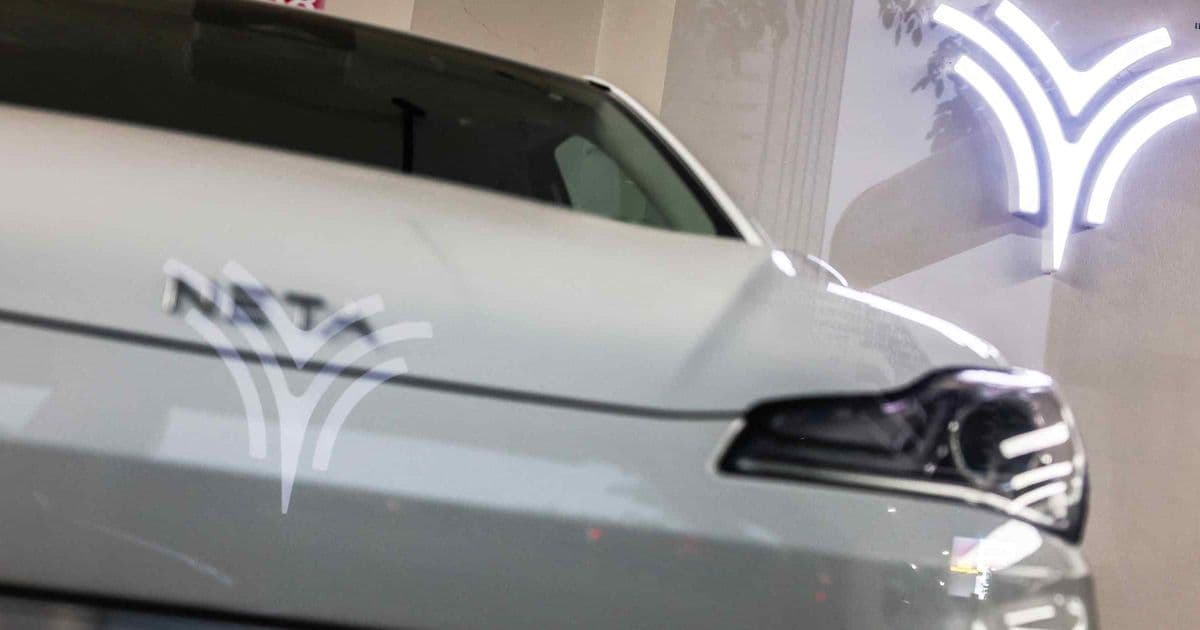
Thailand's Finance Ministry is pursuing legal action against Chinese EV manufacturer Neta's local subsidiary to recover over 2 billion baht ($63.5 million) in subsidies after the company failed to meet production targets.
Thailand's Finance Ministry has initiated legal proceedings against the local subsidiary of Chinese electric vehicle brand Neta, demanding repayment of subsidies exceeding 2 billion baht ($63.5 million) awarded since 2022. The action follows Neta Thailand's failure to meet production quotas stipulated under the country's EV incentive program, triggering contractual repayment obligations and potential asset freezes.
The dispute centers on Thailand's EV subsidy initiative launched in 2022 to position the country as Southeast Asia's electric vehicle manufacturing hub. Under the program, manufacturers receive cash incentives per vehicle produced locally, conditional upon meeting annual production targets. Neta, operated locally by Thai company NVCC, committed to specific output volumes but reportedly fell significantly short of its contractual obligations.
Financial records indicate Neta received substantial subsidies during Thailand's initial EV adoption surge, leveraging the country's strategic position in ASEAN's expanding electric vehicle market. Industry analysts note Neta Thailand's registered production capacity exceeds 20,000 units annually, but actual output has consistently trailed projections. The 2 billion baht repayment demand represents one of Thailand's largest clawbacks under its industrial incentive framework.
The legal action coincides with significant restructuring at Neta's parent company, Hozon Auto, which has faced financial strain amid China's competitive EV market. Hozon recently secured a $1.1 billion lifeline from local government-backed investors but continues navigating industry-wide overcapacity challenges. Thailand's subsidy recovery effort could further pressure Neta's liquidity during this restructuring phase.
Market implications extend beyond the immediate financial penalty:
- Regulatory Precedent: Thailand's enforcement signals stricter oversight of EV incentives, potentially affecting other manufacturers including BYD and Great Wall Motor operating locally
- Supply Chain Impact: Asset freeze provisions could disrupt Neta's parts procurement and dealer network across Southeast Asia
- Investment Climate: The case may prompt foreign automakers to reassess production commitments amid heightened accountability measures
- Regional Competition: Vietnam's VinFast and Japanese automakers expanding Thai EV production could gain market share during Neta's legal proceedings
Thailand remains Southeast Asia's largest EV market with over 100,000 units sold in 2025, but this enforcement action highlights the financial risks inherent in subsidy-dependent market entry strategies. The ministry's next steps will likely establish critical case law governing how governments manage incentive compliance as global EV manufacturers compete for regional dominance.
Comments
Please log in or register to join the discussion