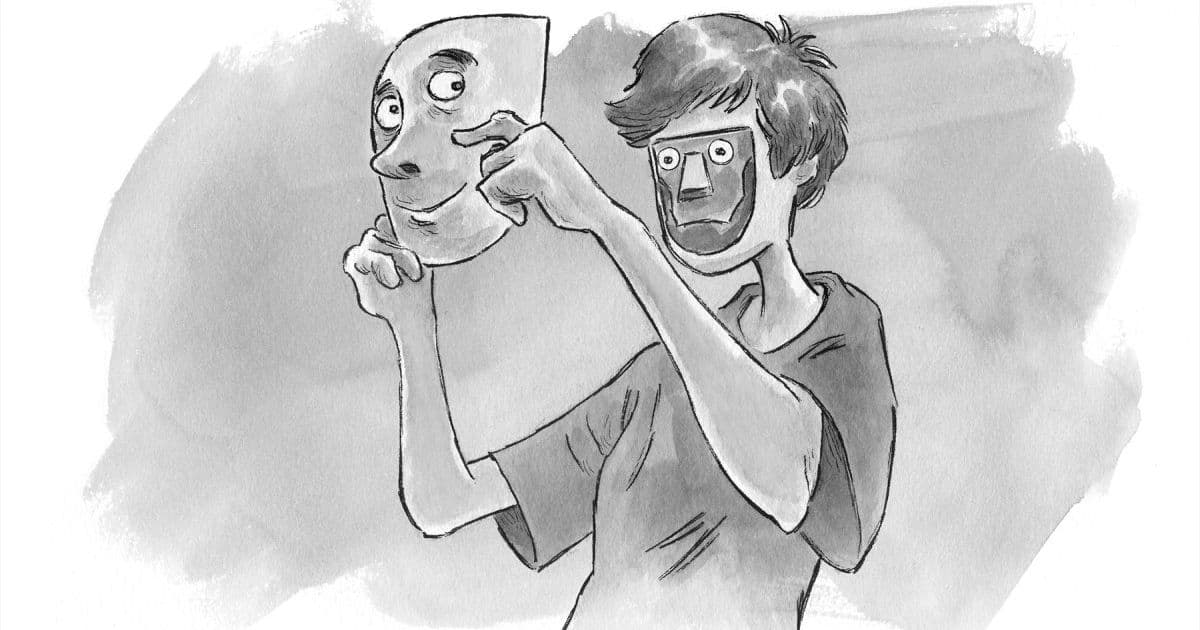
The Window Controls Overlay API challenges decades of desktop UI conventions by enabling PWAs to reclaim title bar real estate, creating more immersive experiences while maintaining progressive enhancement principles.
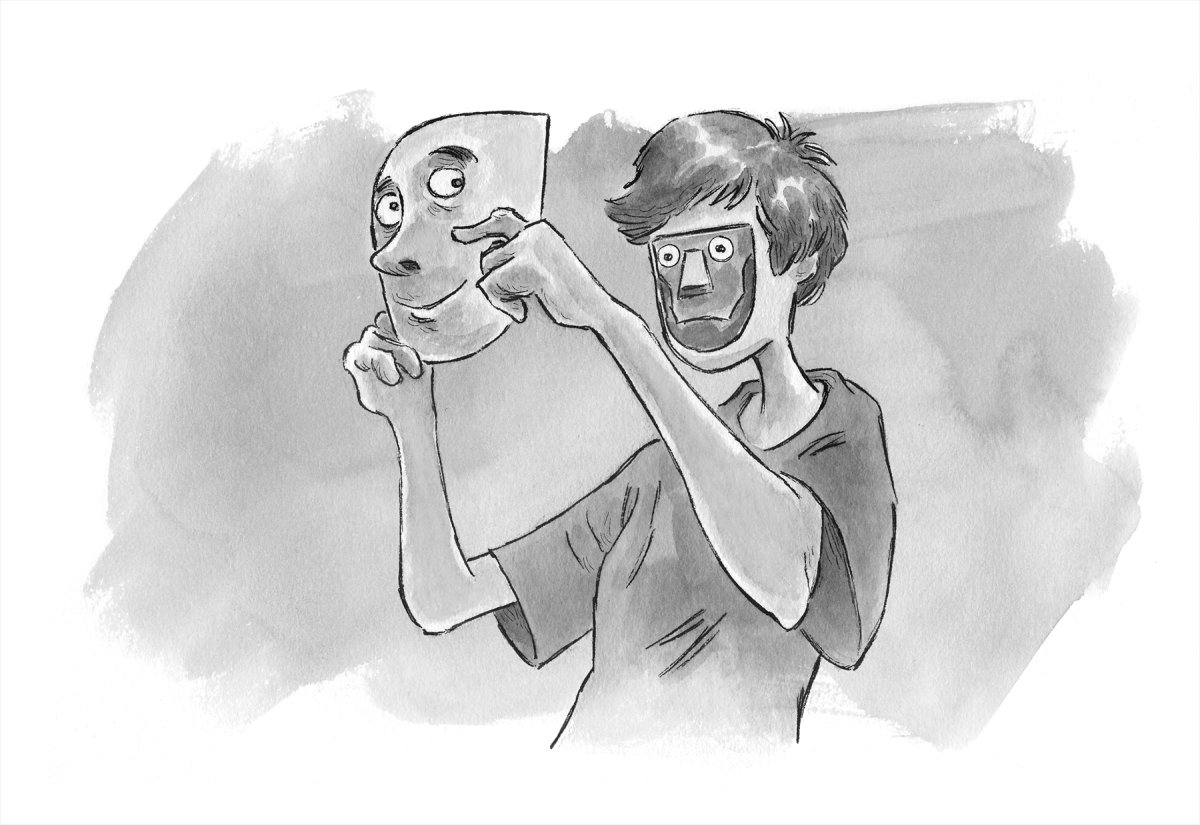
For decades, the desktop application interface has been constrained by a fundamental architectural pattern: the segregated title bar. This rectangular boundary separating window controls from application content has persisted through operating system revolutions from Xerox Alto to macOS Sonoma. In his exploration of the Window Controls Overlay API, Thomas Steiner presents a compelling case for how Progressive Web Apps are poised to disrupt this long-standing convention through what appears superficially as a minor technical adjustment – but represents a philosophical shift in how we conceptualize application interfaces.
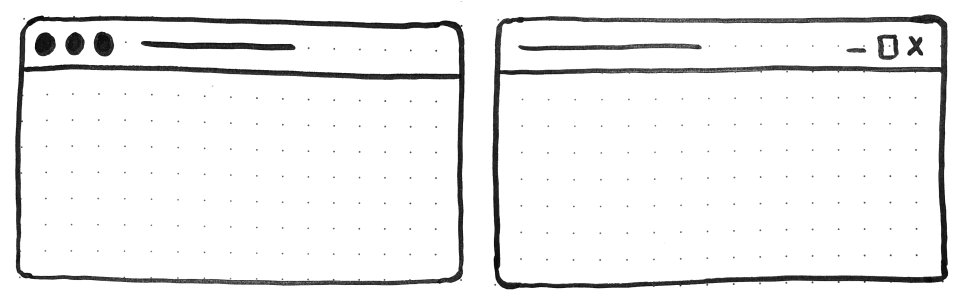
The core proposition is deceptively simple: by adding "display_override": ["window-controls-overlay"] to a PWA's manifest, developers gain access to approximately 30 pixels of vertical space previously reserved for the operating system's window controls. Yet this seemingly trivial concession unlocks profound design possibilities. As Steiner demonstrates through the 1DIV CSS playground, this API enables applications to extend their visual language to the very edges of the window frame, allowing background images, color fields, and interactive elements to occupy what was previously dead space.
What makes this evolution particularly significant is its adherence to progressive enhancement principles. The implementation relies on a sophisticated interplay of new CSS environment variables (titlebar-area-x, titlebar-area-y, titlebar-area-width, titlebar-area-height) that gracefully degrade on unsupported browsers. As Steiner notes: "The whole point of this feature is to allow you to make use of this space with your own content while providing a way to account for the window control buttons." This maintains the web's fundamental ethos of accessibility while pushing forward visual innovation.
The technical implementation reveals nuanced considerations. Steiner addresses the critical accessibility challenge of window dragging through the -webkit-app-region: drag CSS property, creating an invisible draggable area that maintains expected user behavior. Similarly, the dynamic theming solution – using JavaScript to update the theme-color meta tag – demonstrates how PWAs can fluidly adapt their interface to contextual needs. These solutions showcase how the web platform evolves not through revolutionary overhauls, but through careful layering of interoperable standards.
Philosophically, this feature represents another step in the web's gradual assimilation of native application capabilities. Where early PWAs merely offered installation prompts and offline functionality, the Window Controls Overlay API demonstrates how the web is now addressing platform-specific interface conventions. The solution accommodates the distinct window control placements of Windows (right-aligned) and macOS (left-aligned) through standardized CSS variables, acknowledging platform diversity while maintaining a single codebase.
Yet this liberation comes with necessary constraints. As Steiner acknowledges, the feature remains experimental in Chromium browsers and requires thoughtful implementation to avoid overlapping interactive elements. The provided sample code demonstrates how to dynamically adjust layouts when the title bar area shrinks below 250px – a crucial consideration for responsive design.
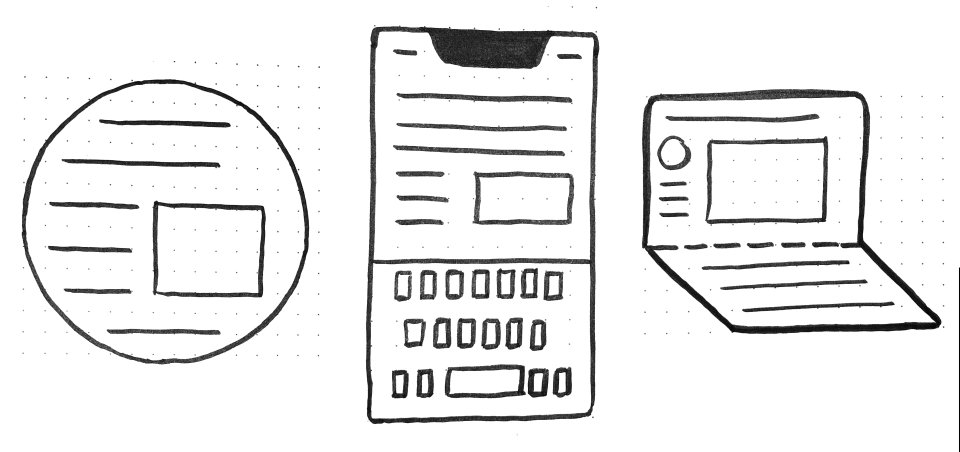
This evolution should be viewed within the broader context of form factor innovation. As foldable devices, desktop widgets, and embedded displays challenge traditional rectangular paradigms, the Window Controls Overlay API represents a microcosm of how the web adapts to unconventional canvases. It suggests a future where web applications might dynamically reshape themselves not just between mobile and desktop, but across radically different postures and interaction modes.
The significance extends beyond technical capability to design philosophy. By reclaiming the title bar, developers gain not just pixels but metaphorical permission to challenge interface dogmas. As Steiner poetically concludes: "Building for the web now lets us think outside the rectangular box." This API provides physical manifestation to a conceptual shift that has been building through responsive design, CSS Houdini, and the extensible web movement – the web as a medium capable of its own aesthetic language, rather than merely imitating native paradigms.
For those experimenting with this frontier, Steiner provides comprehensive implementation guidance while acknowledging the specification's ongoing development. The true potential lies not in the current iteration but in the conceptual doorway it opens: a future where web applications might freely occupy their entire window canvas while maintaining the openness and accessibility that define the web.
Comments
Please log in or register to join the discussion