
Losing keys or wallets no longer means permanent farewells, thanks to Bluetooth trackers leveraging vast device networks. We dissect the top contenders—from Apple’s UWB-powered AirTag to Android’s Chipolo—revealing which tracker excels in precision, battery life, and smart integrations. For developers and tech users, this is your blueprint for seamless item recovery.
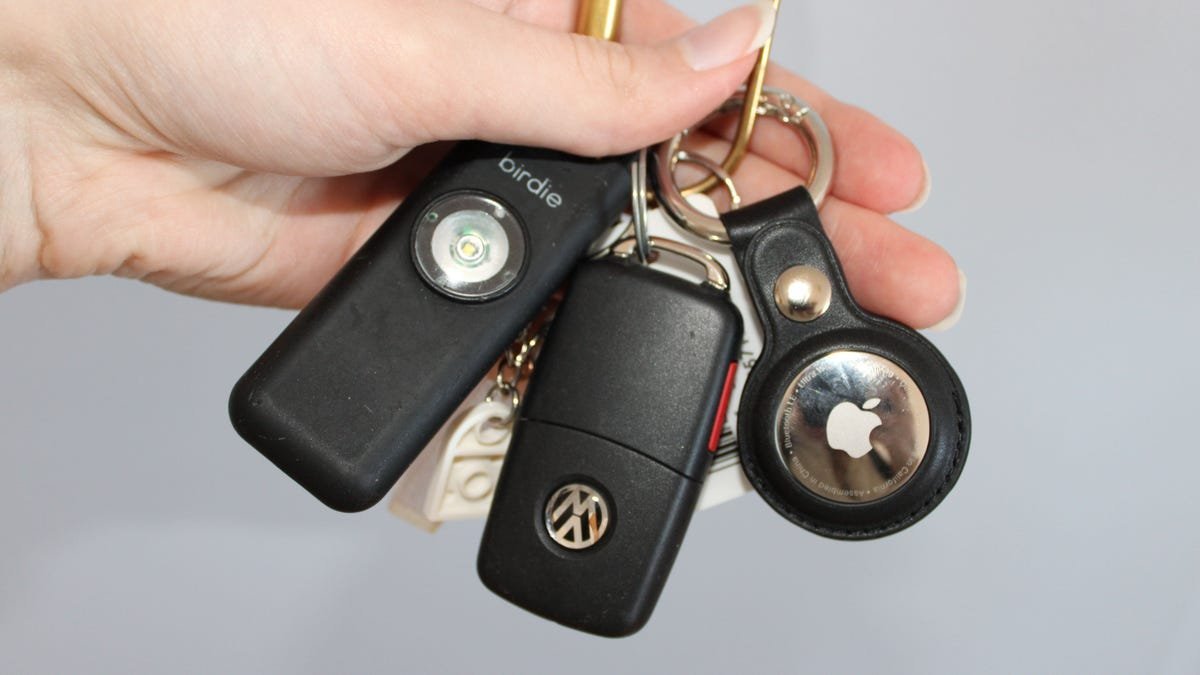
In an era where misplacing essentials like keys, wallets, or even pets is a daily frustration, Bluetooth trackers have evolved from niche gadgets to indispensable tools. These pocket-sized devices harness Bluetooth Low Energy (BLE), ultra-wideband (UWB), and vast crowdsourced networks like Apple’s Find My or Google’s Find My Device to pinpoint lost items with startling accuracy. Yet, not all trackers are equal. After rigorous testing, ZDNET’s experts have crowned five standouts that cater to specific ecosystems, use cases, and technical demands—critical knowledge for developers integrating location tech or consumers prioritizing reliability.
Why Ecosystem Compatibility Dictates Your Choice
Bluetooth trackers hinge on network effects: Apple’s AirTag leverages over a billion iOS devices globally, while Android alternatives rely on Google’s expanding Find My Device network. This fragmentation means your smartphone OS dictates viable options. For cross-platform flexibility, Tile remains a stalwart, but proprietary ecosystems offer deeper integrations. As Adrian Kingsley-Hughes notes in his Chipolo review: "If you're an Android user jealous of AirTags, this ends that envy. Accuracy rivals Apple’s system, whether tags are streets away or buried in couch cushions."
The Top Contenders: Technical Deep Dive
Apple AirTag: Best for Precision Finding
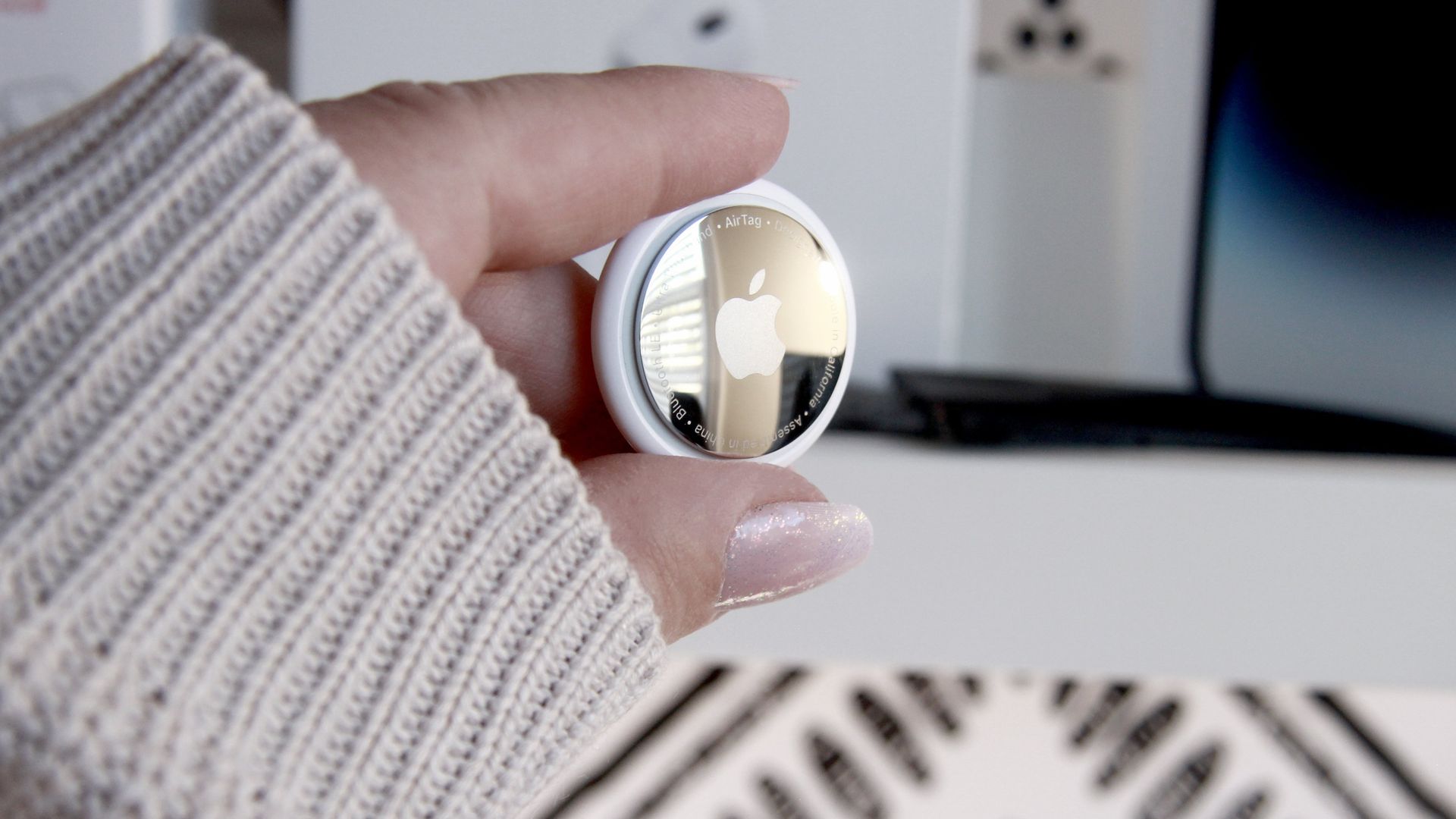 Price: $29 | Battery: 1+ year (replaceable CR2032) | Key Tech: UWB, NFC, Find My Network
Ideal for iPhone users, the AirTag uses UWB for directional guidance ("Precision Finding") in the Find My app. Its coin-sized design lacks attachment points, requiring accessories—a trade-off for seamless iOS integration. Battery life is robust, but Android incompatibility limits universality.
Price: $29 | Battery: 1+ year (replaceable CR2032) | Key Tech: UWB, NFC, Find My Network
Ideal for iPhone users, the AirTag uses UWB for directional guidance ("Precision Finding") in the Find My app. Its coin-sized design lacks attachment points, requiring accessories—a trade-off for seamless iOS integration. Battery life is robust, but Android incompatibility limits universality.
- Pros: Millimeter-accurate tracking, vast Find My network, no subscription.
- Cons: Apple-only, accessory-dependent, easily scratched.
Chipolo One Point: Android’s Answer to AirTag
Price: $24 | Battery: 1 year (replaceable) | Key Tech: Google Find My Device This Android-exclusive tracker taps Google’s network for real-time location, with a splashproof build and a 120dB alarm. At half the AirTag’s cost, it’s a budget-friendly powerhouse—but lacks UWB for precision.
- Pros: Loud alarm, Google ecosystem integration, affordable.
- Cons: No iOS support, basic Bluetooth range (~100 ft).
SwitchBot Wallet Tracker Card: Sleek and Long-Lasting
Price: $18 | Battery: 3 years (non-replaceable) | Key Tech: Apple Find My A card-shaped marvel for wallets, it boasts a 3-year battery and IP67 waterproofing. Its thin profile avoids bulk, and the app allows custom alarms—but like AirTag, it’s iOS-only.
- Pros: Fits in wallets, exceptional battery, loud alerts.
- Cons: No Android support, no UWB.
Tile Pro: King of Range
Price: $35 | Battery: 1 year (replaceable) | Key Tech: 400-ft Bluetooth range With double the range of rivals, Tile Pro excels in large spaces. Its IP67 rating and loud speaker aid recovery, and it works across iOS/Android. However, no UWB means approximate location only.
- Pros: Unmatched distance, cross-platform, durable.
- Cons: Premium cost, no precision tracking.
Samsung Galaxy SmartTag2: Smart Home Integrator
Price: $19 | Battery: 2 years (replaceable) | Key Tech: SmartThings automation Exclusive to Galaxy devices, this tracker doubles as a smart home button—triggering lights or AC via SmartThings. Rugged and water-resistant, it’s a multitool for Samsung loyalists.
- Pros: Smart home control, long battery, robust build.
- Cons: Samsung-only, bulky design.
The Developer’s Lens: What This Means for Tech
For engineers, these trackers highlight trends in IoT: UWB adoption is rising for precision, while battery innovations (like SwitchBot’s 3-year lifespan) reduce maintenance. Privacy remains contentious—AirTags sparked stalking concerns, prompting anti-tracking features. As networks expand, expect tighter OS integrations and energy efficiency gains. For now, choose based on your primary ecosystem; fragmentation won’t ease soon.
Final Insights: Beyond the Hype
Bluetooth trackers aren’t just about finding lost items—they’re microcosms of broader tech battles. Apple and Google’s competing networks illustrate how ecosystem lock-in drives innovation, while devices like Samsung’s SmartTag2 blur lines between tracking and home automation. For users, the best pick balances specificity (like wallet-friendly form factors) with network reliability. As these devices evolve, they’ll likely embed deeper into our digital lives, making today’s choices foundational for tomorrow’s tech landscape.
Comments
Please log in or register to join the discussion