The saga of Jack Schubarth, an 82-year-old Montana rancher sentenced for cloning a protected Marco Polo argali sheep, reveals the precarious intersection of DIY bioengineering, wildlife trafficking, and the booming de-extinction industry. While startups like Colossal Biosciences secure billions to resurrect woolly mammoths and dire wolves with government backing, Schubarth’s case underscores the regulatory gray zones and ecological risks as genetic tinkering goes mainstream.
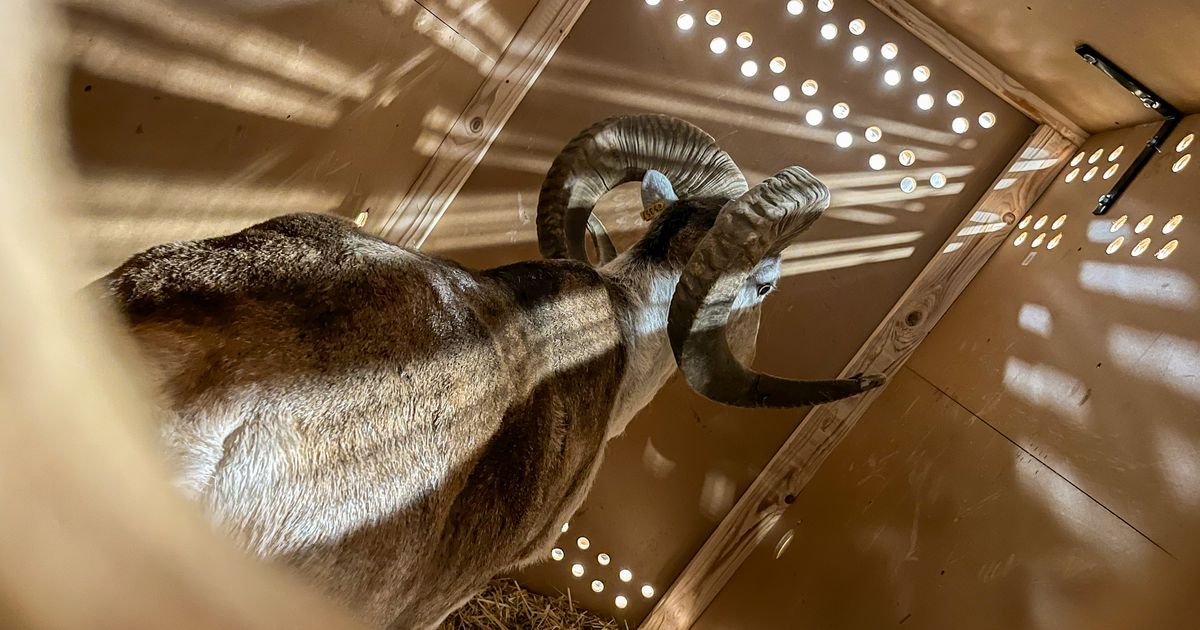
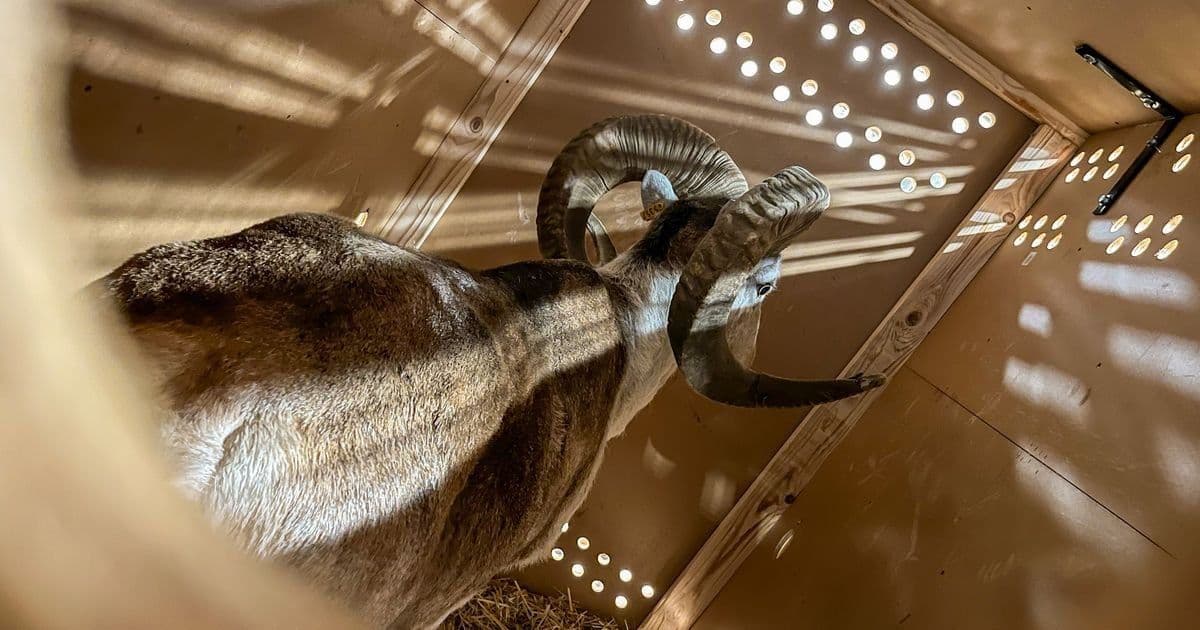
Main article image: Montana Mountain King in transit after federal seizure. (Courtesy: Rosamond Gifford Zoo)
The 2021 raid on Jack Schubarth’s Montana ranch unfolded like a paramilitary operation: helicopters, 60 federal agents, and a trailer hauling away his prized creation—a 300-pound cloned Marco Polo argali sheep dubbed the "Montana Mountain King" (MMK). Schubarth, an 82-year-old with a high school diploma, had achieved a feat matching elite biotech labs: cloning an endangered species. His crime? Smuggling genetic material from Kyrgyzstan and breeding a prohibited species that threatened native bighorn sheep populations. While Schubarth received a six-month prison sentence, his case illuminates the unregulated frontier where garage biohacking collides with billion-dollar de-extinction ventures.
The DIY Cloning Playbook
Schubarth’s operation was shockingly low-tech yet effective. After his son smuggled tissue from a wild argali ram shot in Kyrgyzstan, Schubarth shipped samples to Trans Ova Genetics—a commercial cloning firm known for replicating celebrity pets. For $34,000, they produced 165 embryos using somatic cell nuclear transfer (SCNT), the same technique that created Dolly the Sheep:
# Simplified SCNT Process
1. Extract nucleus (containing DNA) from donor argali cell
2. Remove nucleus from a domestic sheep egg cell (oocyte)
3. Insert argali nucleus into enucleated oocyte
4. Stimulate embryo development
5. Implant into surrogate ewe
Schubarth boosted success rates by inserting progesterone devices into surrogates to extend gestation—a clever improvisation reflecting his decades of ranching intuition. Only MMK survived birth in 2017. When natural breeding failed due to MMK’s size, Schubarth harvested semen via electroejaculation under ketamine sedation, distributing it to ranchers who forged veterinary paperwork to bypass Montana’s strict import laws.
The De-Extinction Industrial Complex
Contrast Schubarth’s rogue operation with Colossal Biosciences, valued at $10 billion, which recently "resurrected" the extinct dire wolf using CRISPR gene editing combined with cloning. CEO Ben Lamm describes their process for reviving dodo birds:
"We’ve engineered CRISPR-edited chickens to lay eggs containing modified Nicobar pigeon embryos. If you put a duck’s primordial germ cells in chickens, they mate and out pops a duck. Taxonomy is just a human label anyway."
Colossal navigates regulations via lobbying ($240,000 in 2023) and CIA-backed funding. Meanwhile, ventures like the (now-defunct) Los Angeles Project aimed to create glow-in-the-dark rabbits and unicorns for entertainment. UC Davis biologist Paul Knoepfler notes: "Making unicorns is low-hanging fruit. Introduce horn-producing genes into horses, and you’ll get unicorn-like results. Imagine what a tech billionaire would pay for a dragon."
Regulatory Quicksand
Schubarth violated the Lacey Act by trafficking illegal wildlife—but cloning itself wasn’t illegal. The FDA only regulates gene-edited animals entering food/pet markets, granting just two approvals: fast-growing salmon and virus-resistant pigs. Research animals face minimal oversight, creating loopholes for "conservation" projects. When startups accidentally engineer antibiotic-resistant pigs or invasive GloFish, ecosystems pay the price. As Revive & Restore’s Ben Novak admits: "Almost anything in science can be biohacked if you’re rich enough."
The Cost of Genetic Ambition
MMK’s legacy persists in hybrid flocks across U.S. ranches, while Schubarth faces bankruptcy. At Rosamond Gifford Zoo, the sheep—renamed "Tilek," meaning "dream"—is now a tourist attraction. His story is a cautionary tale of how genetic engineering’s promise (conservation, disease resistance) is increasingly commodified. Whether for trophy hunts or theme parks, the real product isn’t revolutionary science—it’s spectacle. As Knoepfler warns: "The animals produced may not have the traits you expect, or they’ll have developmental defects. We’re playing with systems we don’t fully understand."
Comments
Please log in or register to join the discussion