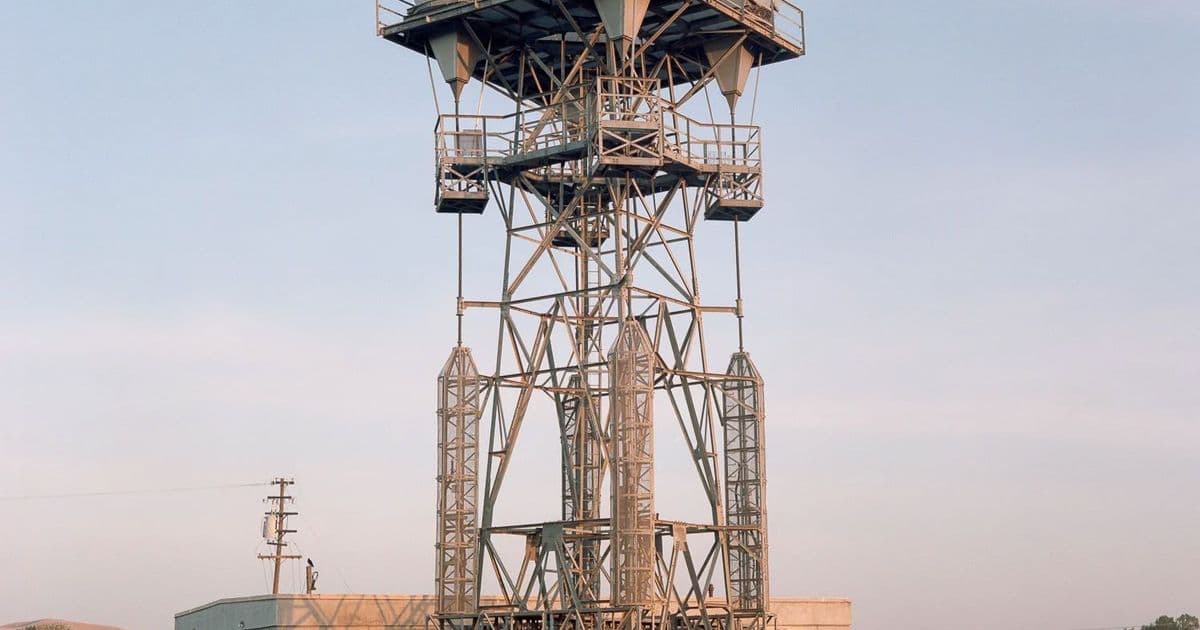
Before fiber optics and satellites, AT&T's Long Lines microwave network was the backbone of American telecommunications, connecting the nation through a web of towers that could withstand nuclear attack.
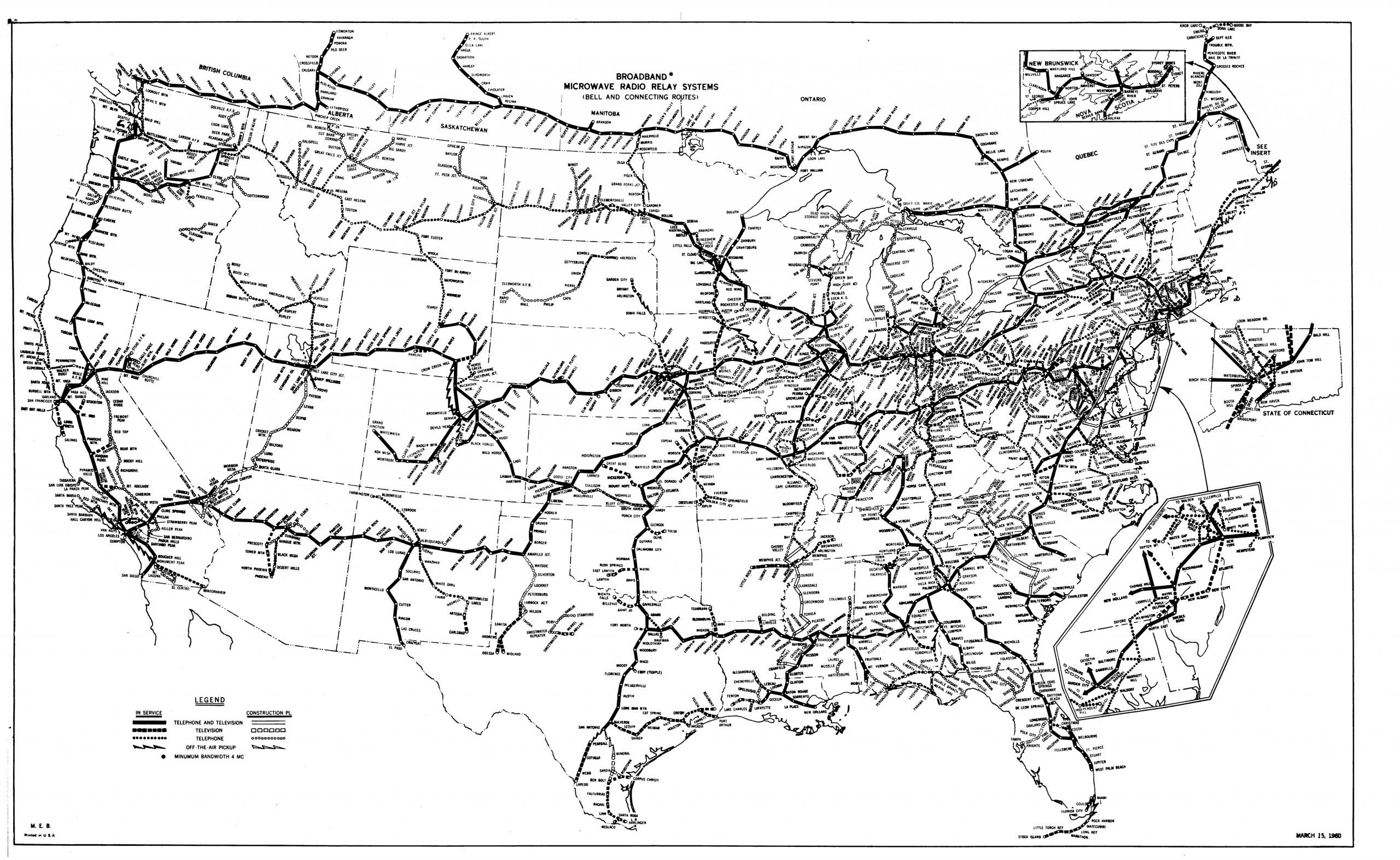
In the golden era of telecommunications, from the 1950s through the 1980s, a vast network of microwave towers silently connected America. This was AT&T's Long Lines system—the invisible infrastructure that made coast-to-coast phone calls, television broadcasts, and military communications possible before fiber optics and satellites changed everything.
The Problem That Needed Solving
Before Long Lines, connecting cities meant miles of vulnerable coaxial cable strung across the landscape. A single storm could knock down lines serving hundreds of thousands of people. Installation and maintenance costs were astronomical, and the system couldn't diagnose its own failures. AT&T needed something revolutionary.
The Microwave Revolution
The solution came in the form of relay towers using microwave frequencies. On August 17, 1951, the first coast-to-coast automated telephone call (DDD or Direct Distance Dial) was made using this new microwave telephone system, sometimes called the "Skyway" or "Telephone Skyway."
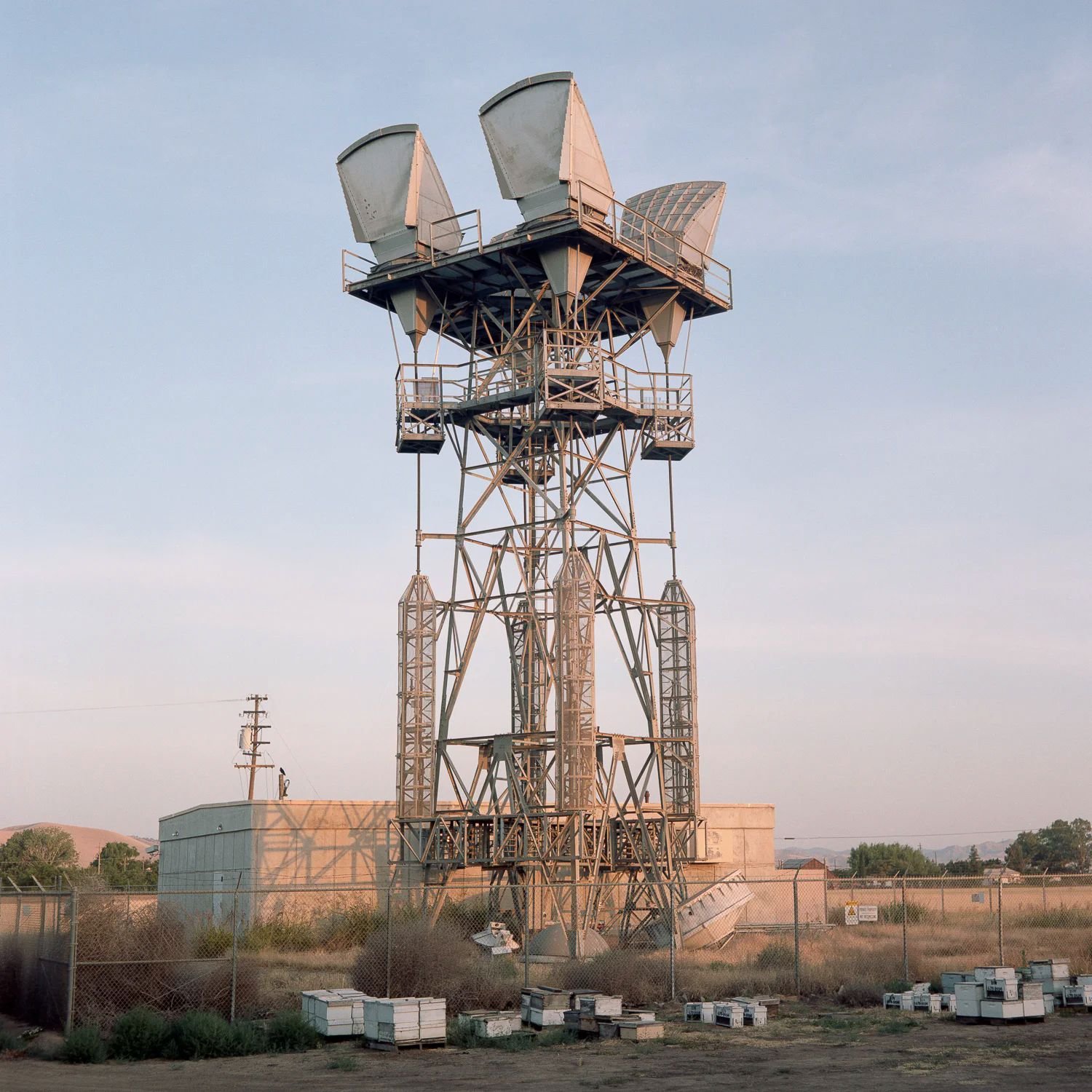
These towers formed a line-of-sight network where each horn antenna transmitted signals to the next station in a precise path across the country. A call from New York to Los Angeles would bounce from tower to tower until reaching its destination, then connect through local cables to the recipient's phone.
More Than Just Phone Calls
The Long Lines network became the backbone of American communication in ways most people never realized. Television networks like NBC and CBS used these towers to broadcast shows and news nationwide. The first live national television show—Edward Murrow's See It Now—was transmitted over this system in 1951.
Computers of the era also used the network to transmit data coast-to-coast, pioneering what we now take for granted in our internet age. Even military communications relied on these towers during the height of the Cold War.
Built to Survive the Apocalypse
During the Cold War, the stakes grew even higher. Many Long Lines base stations were installed underground in shielded rooms designed to withstand nuclear EMP blasts. These underground facilities were equipped with the same survival gear found in fallout shelters.
The towers themselves were engineered to survive nuclear detonations. Some above-ground stations featured sophisticated systems to keep the network online during attacks. All equipment—from the horn antennas to the diesel backup generators—was manufactured by Western Electric, AT&T's manufacturing arm.
The Beginning of the End
By the 1970s, new technologies began to emerge that would eventually make the Long Lines system obsolete. Fiber optic cables, using light to transmit data through transparent strands, offered faster speeds and were buried underground, eliminating weather vulnerabilities. Satellites provided another alternative, allowing television programs to be relayed from orbit with minimal ground equipment.
But perhaps the most significant blow came from the Department of Justice. AT&T's monopoly—known as "Ma Bell"—allowed the company to charge whatever it wanted for telephone service. In 1984, the government broke up AT&T into smaller "Baby Bells" like Southwestern Bell and Bell Atlantic. These new competitors quickly adopted fiber optics and satellite technology, leaving the microwave towers behind.
The Legacy Lives On
By the early 1990s, AT&T decided the Long Lines system had served its purpose. The once-state-of-the-art technology became abandoned towers and buildings scattered across the American landscape.
Today, these towers tell a story of how far we've come. We've transitioned from party lines and operators to carrying supercomputers in our pockets. The towers remind us of the Cold War era when communication infrastructure was considered a matter of national security.
Some towers have found new purposes. Many have been converted to ham radio stations, with the tower structure serving as massive antennas. Others have been leased to cell phone carriers like AT&T and Verizon, fitted with modern cellular relay equipment. American Tower, a major telecommunications company, owns many of these repurposed sites.
Most, however, stand abandoned—surrounded by weeds and weathered by time. The horn antennas have been removed from many stations, leaving behind empty platforms that once connected a nation.
A Forgotten Chapter in Tech History
The Long Lines system represents a pivotal moment in telecommunications history—a bridge between the analog past and our digital present. It was the first nationwide network that could truly connect Americans instantly, regardless of distance. While the technology is obsolete, the impact remains: it proved that instant, nationwide communication was possible, paving the way for everything that followed.
The next time you make a phone call or stream a video, remember the forgotten towers that once made it all possible—the microwave sentinels that formed America's first true communication skyway.
Comments
Please log in or register to join the discussion