
As AI makes coding increasingly accessible, true engineering value shifts from writing code to maintaining reliable services at scale through Site Reliability Engineering principles.
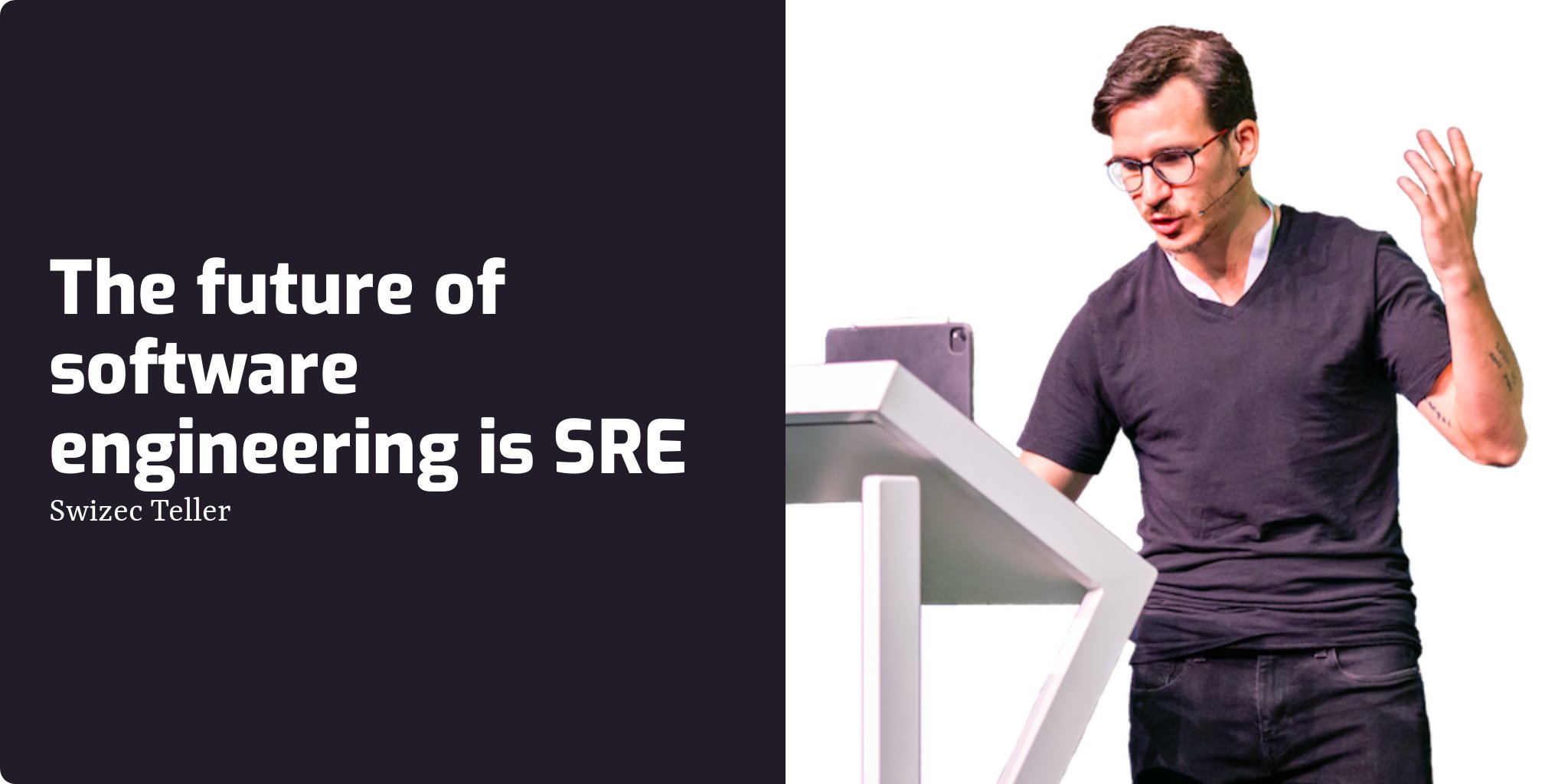
When code becomes cheap, operational excellence becomes invaluable. While AI tools rapidly lower the barrier to creating functional demos, running resilient services at scale remains an engineering discipline requiring specialized skills. This reality positions Site Reliability Engineering (SRE) as the critical frontier in software development.
Consider the lifecycle of a typical business tool: An accounting employee spends 10 weekly hours on repetitive tasks. Unable to secure engineering resources, they build a solution using spreadsheets and no-code tools. Initially, this reduces their workload to 1 hour—a clear win. But over time, shifting business rules, timezone complexities, and edge cases transform this tool into a fragile burden. Vacations become impossible, knowledge transfer fails, and maintenance creates dread. This exemplifies what physicist Richard Feynman termed the "computer disease"—the tendency to over-optimize automatable tasks while neglecting operational sustainability.
Why Demos Aren't Products
Creating initial functionality represents merely 10% of the engineering challenge. The remaining 90%—often requiring another 90% effort—involves ensuring:
- High availability (What's your uptime SLA?)
- Failure recovery (Minutes or hours to restore service?)
- Dependency management (How do you handle vendor outages?)
- Cross-team coordination (Preventing system fragmentation)
- Data integrity (Avoiding loss during failures)
- Security maintenance (Timely patches and audits)
- Observability (Detecting issues before users report them)
Users don't buy software; they hire services. Whether syncing photos across devices or processing payments, customers expect invisible reliability. This demands engineering rigor beyond initial development.
The SRE Advantage
SRE applies software engineering principles to operations problems. Key differentiators include:
- Error Budgets: Defining acceptable failure rates that balance innovation velocity with reliability
- Automated Remediation: Building self-healing systems rather than manual intervention playbooks
- Progressive Rollouts: Canarying changes to limit blast radius
- Dependency Mapping: Understanding and monitoring upstream service impacts
- Chaos Engineering: Intentionally testing failure modes before they occur in production
As coding automation accelerates, these operational skills become the true bottleneck. The engineer who understands distributed systems failure modes, capacity planning, and organizational coordination provides exponentially more value than one who only writes features.
Limitations and Challenges
While SRE principles are powerful, implementation faces hurdles:
- Tooling Complexity: Modern observability stacks require significant expertise
- Organizational Silos: Dev vs. Ops conflicts still hinder many teams
- Cost Management: High-availability systems demand redundant infrastructure
- Legacy Systems: Applying SRE to monolithic architectures remains challenging
However, these constraints precisely illustrate why operational excellence can't be automated away. Each requires context-aware judgment and systems thinking—capabilities beyond current AI's reach.
The future belongs to engineers who embrace the full lifecycle. As Google's SRE handbook notes: "Reliability is a function of how systems respond to change." With AI handling more initial coding, human engineers must focus on building systems that endure.
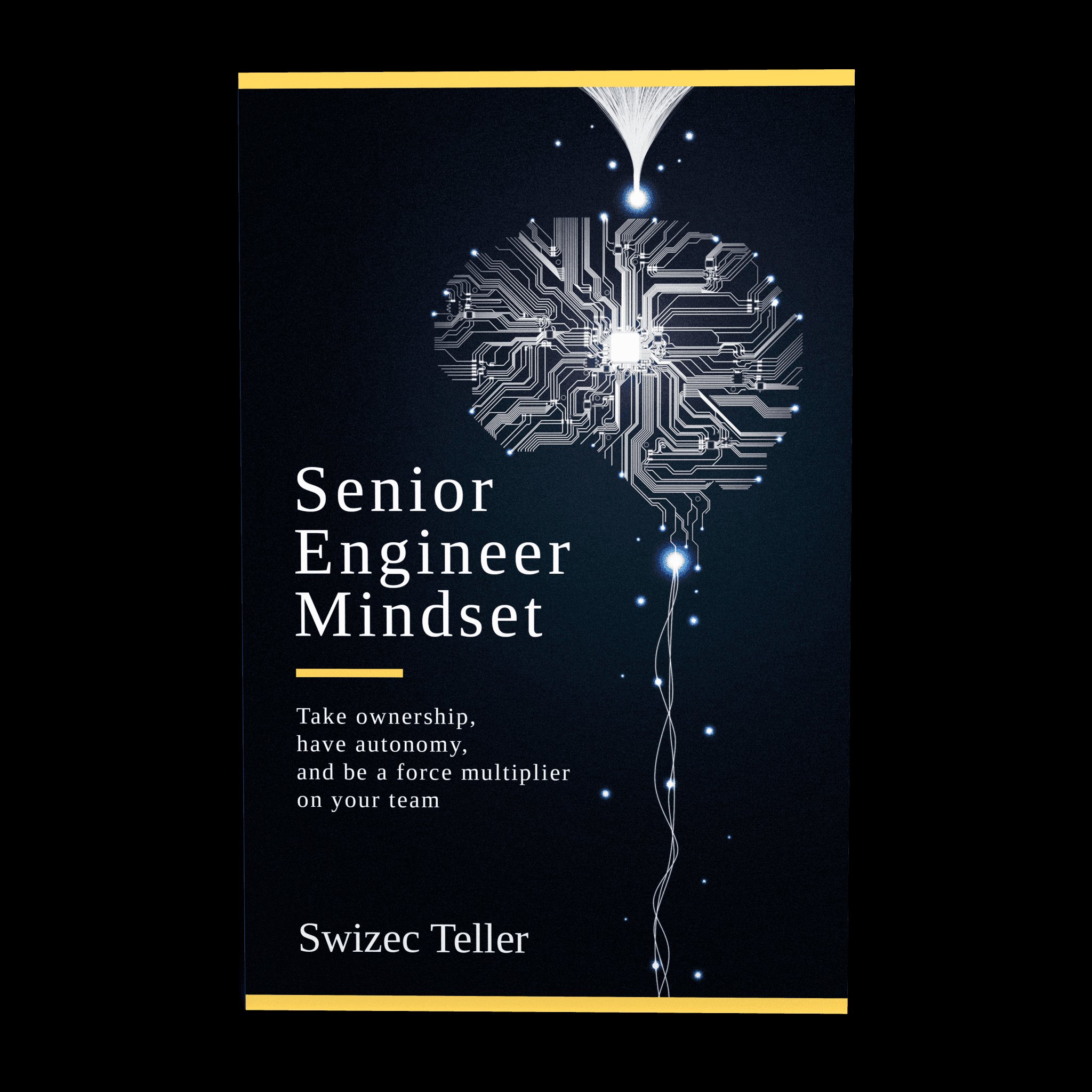
For engineers transitioning to operational roles: The Senior Engineer Mindset explores critical thinking shifts for complex systems ownership.
Comments
Please log in or register to join the discussion