
A Maine ICE agent was filmed stating he was adding a legal observer to a domestic terrorist database after photographing her vehicle, contradicting official DHS denials about such tracking systems.
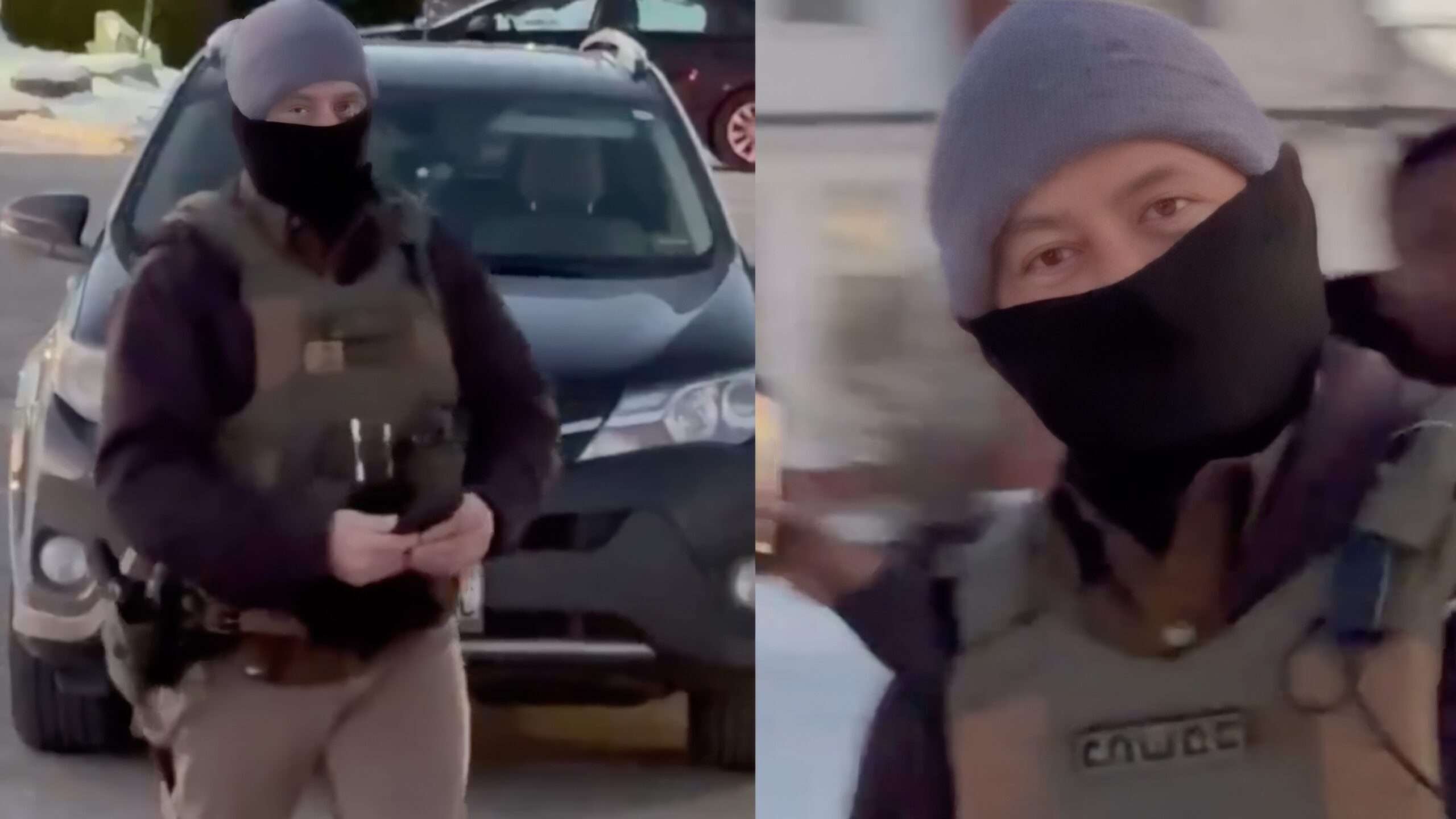
Newly surfaced video footage from Maine shows an Immigration and Customs Enforcement (ICE) officer photographing a legal observer's vehicle during a routine monitoring operation. When questioned about his actions, the agent stated: "Because we have a nice little database, and now you're considered a domestic terrorist." This incident directly contradicts repeated denials from Department of Homeland Security (DHS) officials about the existence of such tracking systems.
DHS Assistant Secretary for Public Affairs Tricia McLaughlin quickly issued a denial via email: "There is NO database of 'domestic terrorists' run by DHS. We do of course monitor and investigate and refer all threats, assaults and obstruction of our officers to the appropriate law enforcement." However, investigative journalist Ken Klippenstein reported that an unnamed federal law enforcement source confirmed DHS has "ordered immigration officers to gather identifying information about anyone filming them."
This incident occurs against the backdrop of a September presidential memorandum directing federal agencies to target ideologies allegedly fueling domestic terrorism, including:
- Anti-Americanism, anti-capitalism, and anti-Christian viewpoints
- Support for overthrowing the U.S. government
- Opposition to "foundational American principles" including support for law enforcement
Legal experts argue this framework effectively criminalizes First Amendment-protected activities. As documented in a Minneapolis civil rights lawsuit, ICE agents surrounded volunteer observer Brandon Sigüenza's vehicle, smashed his windows, and detained him for hours despite no evidence of obstruction. Last week, a federal judge ruled plaintiffs demonstrated "targeted First Amendment retaliation" by federal agents.
The pattern extends beyond isolated incidents. DHS has repeatedly claimed that recording immigration officers violates federal statutes against obstructing law enforcement, despite clear legal precedents establishing the right to record police in public spaces. This creates a troubling disconnect between official policy statements and field operations.
Legal observers play a documented role in ensuring transparency during enforcement actions. Their work typically involves documenting interactions, verifying badge numbers, and ensuring rights compliance—activities explicitly protected under the First Amendment. The Maine agent's admission suggests systemic documentation of individuals engaged in constitutionally protected monitoring.
This incident raises critical questions about government transparency and the weaponization of counterterrorism frameworks. With federal judges already ruling against DHS tactics and internal sources contradicting official statements, the disconnect between policy declarations and operational reality appears increasingly stark. As surveillance capabilities expand, the fundamental tension between security protocols and civil liberties continues to intensify.
Comments
Please log in or register to join the discussion