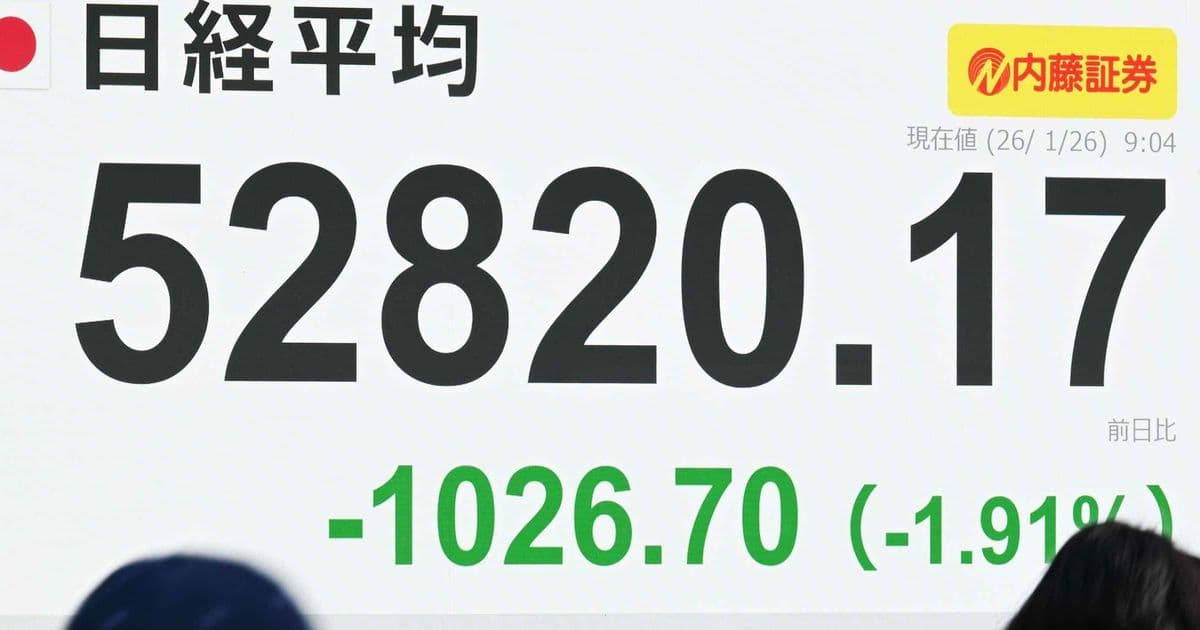
Japanese equities faced significant pressure as the yen's rapid appreciation against the dollar eroded the competitiveness of major exporters, triggering sector-wide declines.
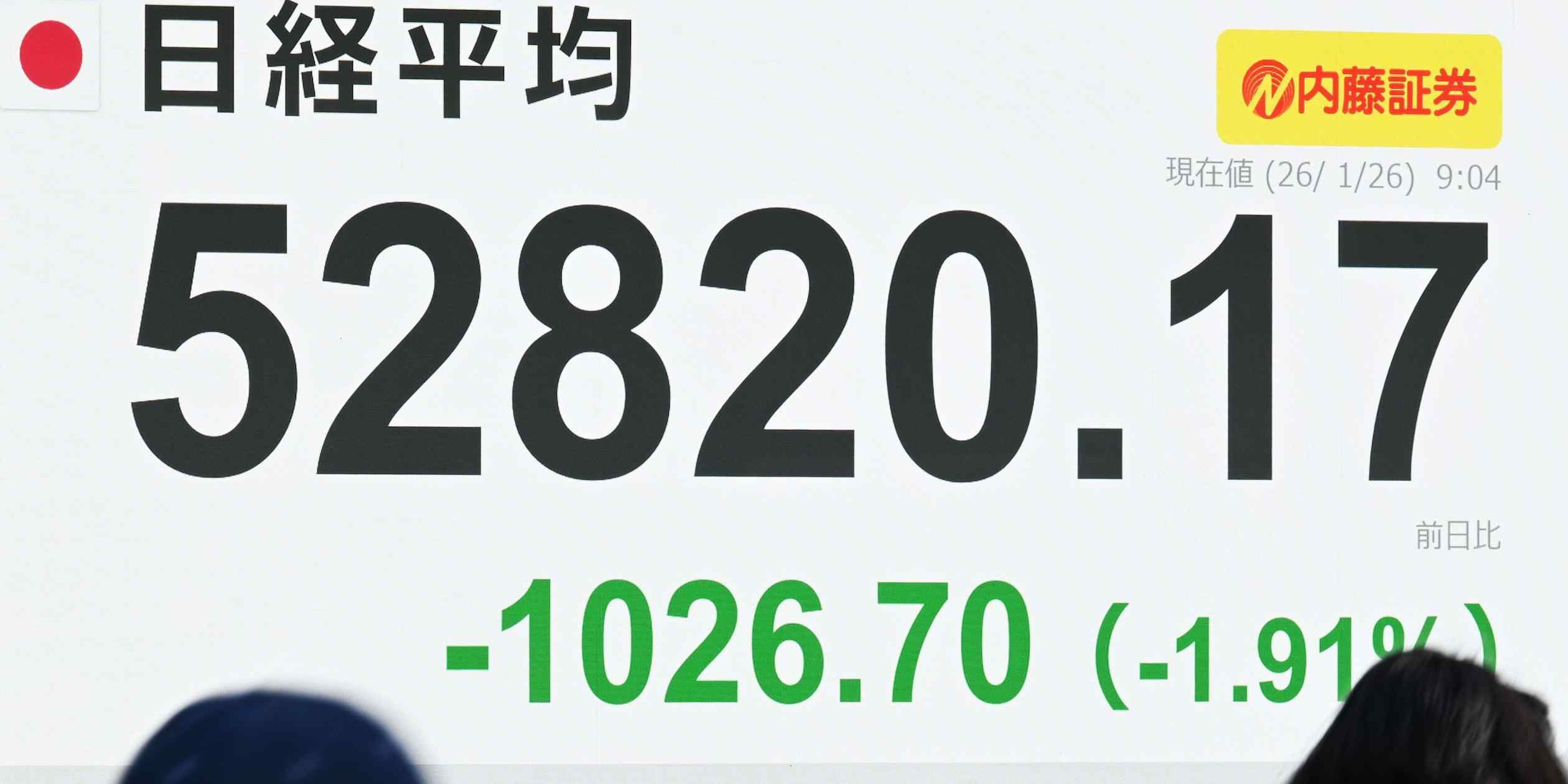
Japan's benchmark Nikkei index experienced substantial declines in Monday trading as the yen's accelerated appreciation against the US dollar intensified pressure on export-oriented corporations. The currency's surge to approximately 142 yen per dollar - its strongest position in six weeks - immediately impacted multinational manufacturers whose overseas revenue becomes less valuable when repatriated.
Automotive giants Nissan Motor, Subaru, and Toyota Motor led the downturn with shares tumbling between 2.5% and 3.8% during morning trading. These companies derive over 70% of their revenue from international markets, making them particularly vulnerable to currency fluctuations. The broader Topix index mirrored the trend, dropping 1.7% as machinery manufacturers and electronics producers joined the retreat.
The yen's appreciation follows growing market speculation about potential currency intervention by Japanese authorities and signals from Bank of Japan Governor Kazuo Ueda about readiness to address surging bond yields. This currency movement occurs against a backdrop of shifting global trade patterns, with Japanese exporters already navigating supply chain realignments and increased competition in electric vehicle markets.
Strategic implications extend beyond immediate financial results. Corporations face renewed pressure to accelerate overseas production localization and implement sophisticated currency hedging strategies. Mazda's recent decision to elevate China-made EVs in its global portfolio exemplifies this strategic pivot toward production decentralization. Meanwhile, policymakers must balance currency stability concerns with broader economic objectives, particularly as Prime Minister Takaichi's declining approval ratings add political uncertainty.
Market analysts note that sustained yen strength could trigger portfolio reallocations toward domestic-focused sectors while compelling export manufacturers to accelerate operational restructuring. The coming weeks will be critical for observing corporate responses to currency challenges and potential policy interventions from the Ministry of Finance.
Comments
Please log in or register to join the discussion