
BYD plans to increase overseas electric vehicle sales by 25% to 1.3 million units in 2026, accelerating its challenge to traditional automakers across Latin America and Southeast Asia.
Chinese electric vehicle leader BYD has set an ambitious target to sell 1.3 million vehicles overseas in 2026, representing a 25% increase from its projected 1.04 million international sales this year. The announcement came from Li Yunfei, BYD's general manager of brand and public relations, during a media briefing in Shanghai that outlined the company's global growth strategy.
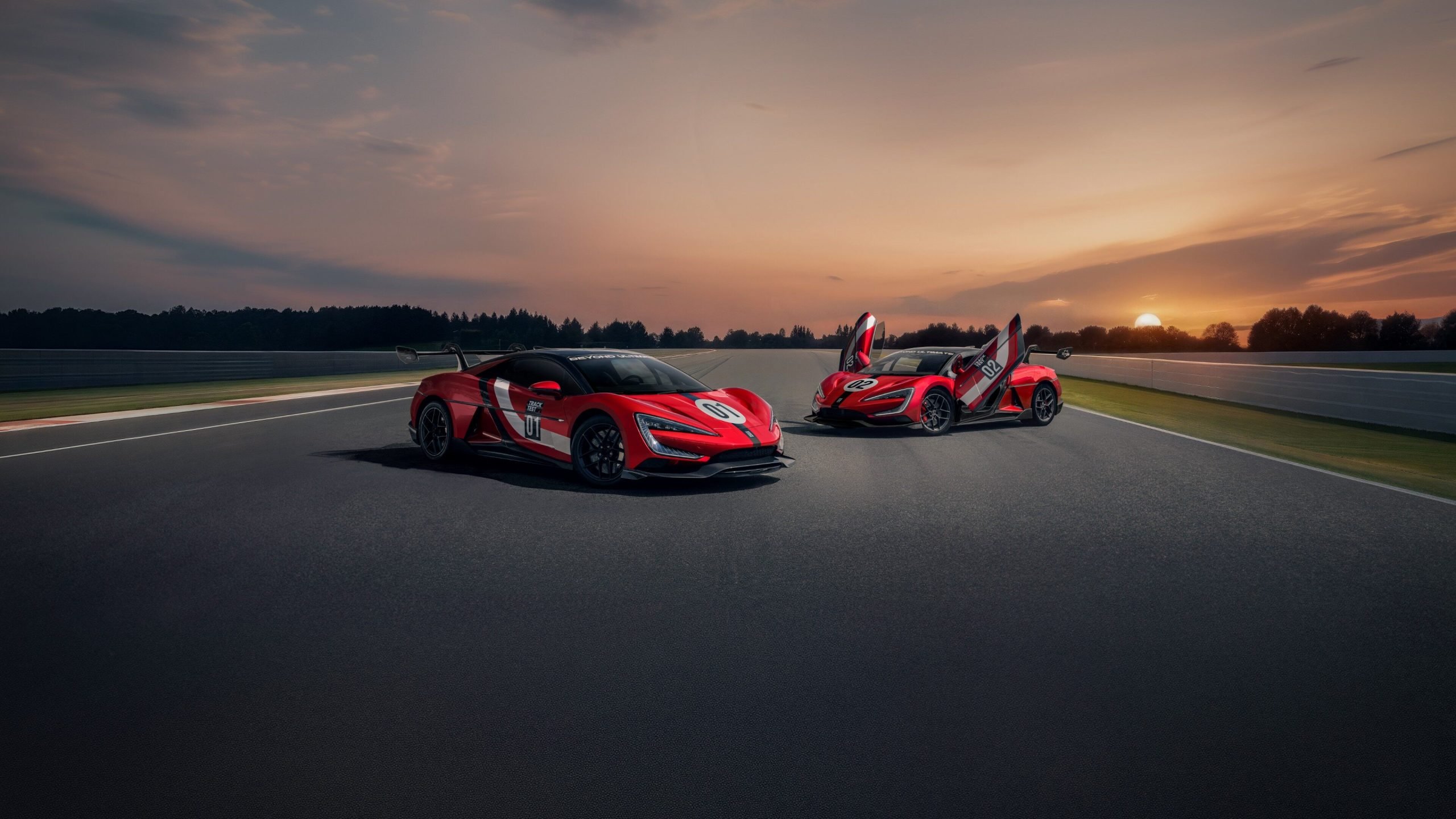
This expansion builds on BYD's significant momentum in international markets. In 2025, the automaker delivered over 1.04 million vehicles abroad, exceeding its total 2024 overseas sales. These figures include both passenger cars and electric pickup trucks, forming a substantial portion of BYD's overall 4.6 million new energy vehicle sales last year, which included 2.26 million battery electric models.
The 2026 target underscores BYD's systematic approach to global expansion. The company has rapidly extended its presence to more than 110 countries and regions, with particular focus on Latin America and Southeast Asia – markets where EV adoption is accelerating due to supportive policies and growing charging infrastructure. In Thailand, for example, BYD captured 46% of the EV market share within 15 months of entry by leveraging local production facilities and competitive pricing.
Several factors enable this aggressive growth. BYD benefits from vertically integrated manufacturing, controlling everything from battery production to semiconductor design. This reduces costs and accelerates model localization. The company's Blade Battery technology, known for safety and energy density, also differentiates its vehicles in markets with extreme climates. Recent launches like the Seal U SUV in Europe and the Dolphin Mini in Brazil demonstrate BYD's strategy of adapting models to regional preferences.
The expansion intensifies pressure on legacy automakers. In markets like Australia and Mexico, BYD's competitively priced EVs challenge established brands through both direct sales and fleet partnerships. Analysts note that achieving the 2026 target would position BYD as the first Chinese automaker with over 25% of sales originating overseas, reducing reliance on China's competitive domestic market.
Logistical scaling remains critical. BYD is addressing this through new shipping routes, including its own vessel fleet, and regional assembly plants. A recently announced factory in Hungary will serve European markets, while existing facilities in Thailand and Brazil support regional demand. These investments suggest BYD views its 2026 target as achievable rather than aspirational.
This growth occurs amid evolving trade policies. The European Commission's upcoming decision on tariffs for Chinese EVs could impact BYD's pricing advantage in key markets. However, the company's localized manufacturing strategy may mitigate such risks. With global EV sales projected to grow 20% annually through 2030, BYD's overseas push signals a broader shift where Chinese automakers transition from domestic champions to formidable international competitors.
Comments
Please log in or register to join the discussion