
Valve pushes back against claims that Counter-Strike 2 loot boxes constitute illegal gambling, arguing they're standard industry practice and purely cosmetic.
Valve has issued its first public statement responding to a lawsuit filed by New York Attorney General Letitia James over loot box mechanics in Counter-Strike 2, Dota 2, and Team Fortress 2. The company expressed disappointment at the legal action, noting it had been working with the Attorney General's office since 2023 before being sued anyway.
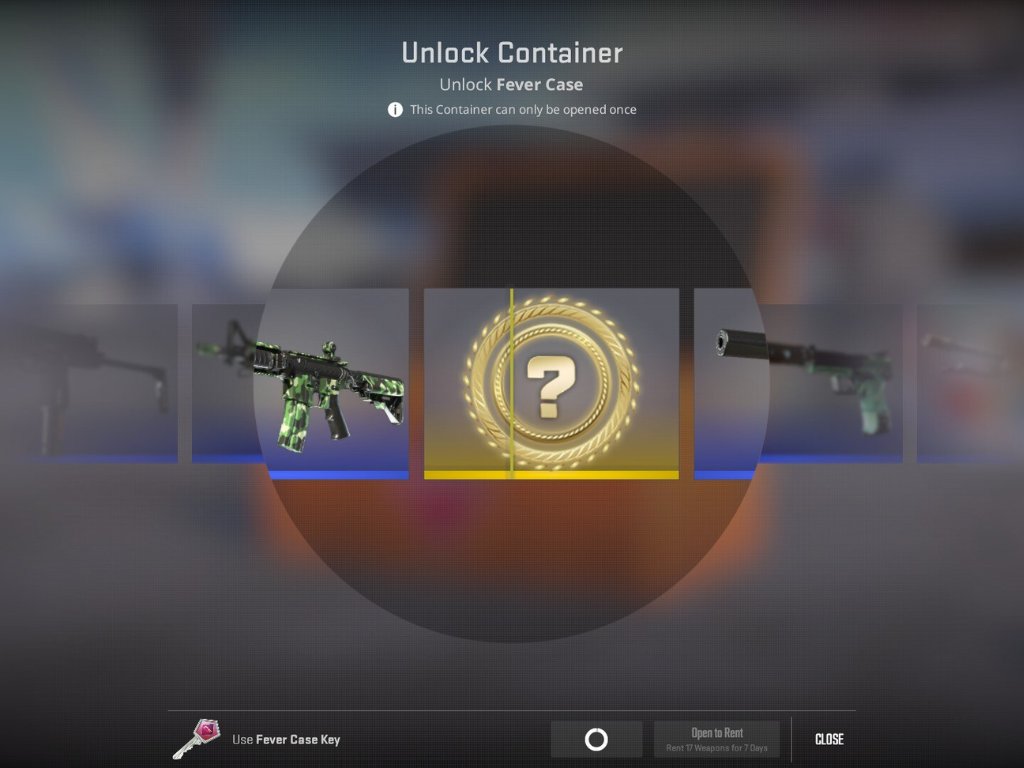
The lawsuit centers on Valve's "mystery boxes" - in-game purchases that offer random virtual items. James argues these constitute illegal gambling because players can buy boxes with real money, receive random items, and then sell those items for real-world currency. She claims this creates an "addictive gambling loop" that particularly harms children and teenagers.
Valve's defense rests on several key arguments:
Industry Standard Practice
The company points out that loot boxes aren't unique to video games. "These types of boxes in our games are widely used, not just in video games but in the tangible world as well," Valve stated. The company draws parallels to baseball card packs, blind boxes, and collectible bags that have existed for generations. This comparison to physical collectibles like Pokémon cards and the recent Labubu craze aims to normalize digital loot boxes as part of a long-standing consumer tradition.
Historical Precedent
Valve emphasizes that digital item trading predates its loot box implementation. The company references earlier games like World of Warcraft, Diablo II's lobby trading systems, and RuneScape as examples of established virtual economies. This historical context suggests loot boxes are an evolution of existing gaming mechanics rather than a novel gambling mechanism.
Cosmetic-Only Nature
A central pillar of Valve's defense is that items obtained through loot boxes serve purely cosmetic purposes. "Because the items in the boxes are purely cosmetic, there is no disadvantage to a player not spending money," the company stated. This pay-to-win argument attempts to distinguish loot boxes from gambling by emphasizing that they don't provide competitive advantages in gameplay.
Anti-Gambling Efforts
Valve highlights its extensive work combating actual gambling sites that misuse its Counter-Strike cosmetics. "Valve does not cooperate with gambling sites," the company stated. "To date, we've locked over one million Steam accounts that were being misused by third parties in connection with gambling, fraud, and theft." This demonstrates Valve's commitment to preventing real gambling while defending its legitimate loot box system.
Transferability Rights
The lawsuit reportedly demands that items become non-transferable, a restriction Valve strongly opposes. "We think the transferability of a digital game item is good for consumers," the company stated. This position protects the secondary market for virtual items, which Valve sees as beneficial to players.
Legal Outcome Pending
Valve concluded by acknowledging that "a court will decide whose position—ours or the NYAG's—is correct." The company's comprehensive defense suggests it's preparing for a potentially lengthy legal battle over whether loot boxes constitute gambling under New York law.
The outcome could have significant implications for the gaming industry. If New York succeeds in forcing Valve to ban loot boxes, other states might follow suit. Conversely, if Valve prevails, it could strengthen the industry's position on loot box mechanics nationwide.
This legal dispute highlights the ongoing tension between gaming companies' monetization strategies and regulatory efforts to protect consumers, particularly younger players, from potentially exploitative mechanics. The case may ultimately define how digital collectibles and random reward systems are classified under gambling laws in the United States.
Comments
Please log in or register to join the discussion