Israel has deployed its advanced Iron Dome missile defense system and military personnel to the United Arab Emirates amid rising tensions with Iran, marking a significant strategic shift in Middle Eastern defense cooperation.
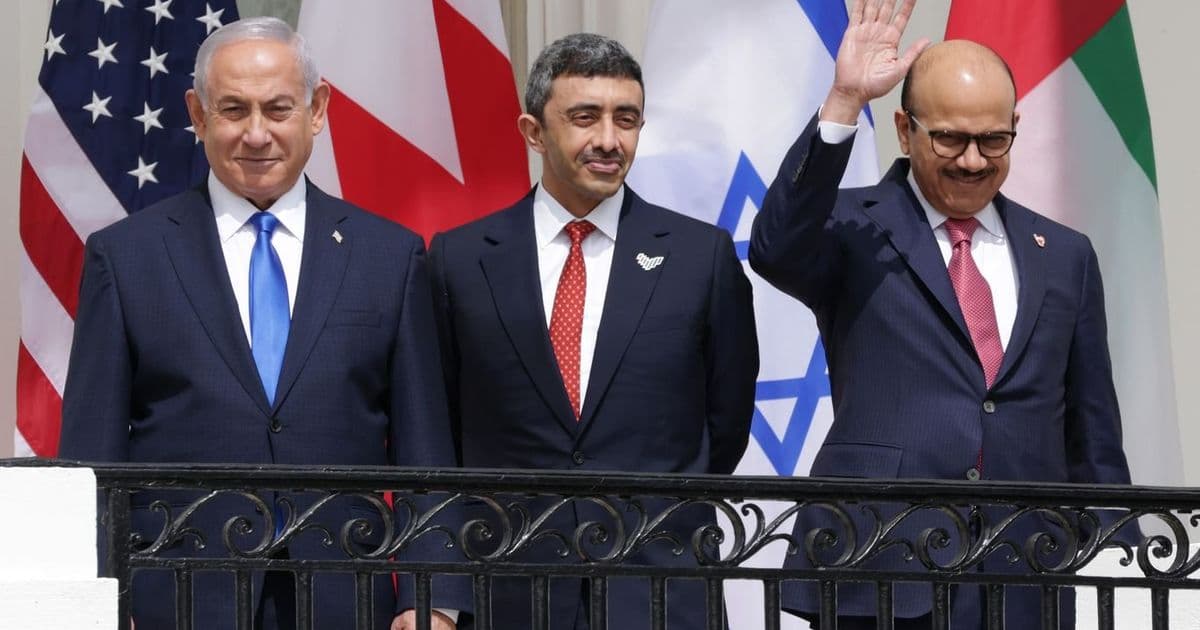
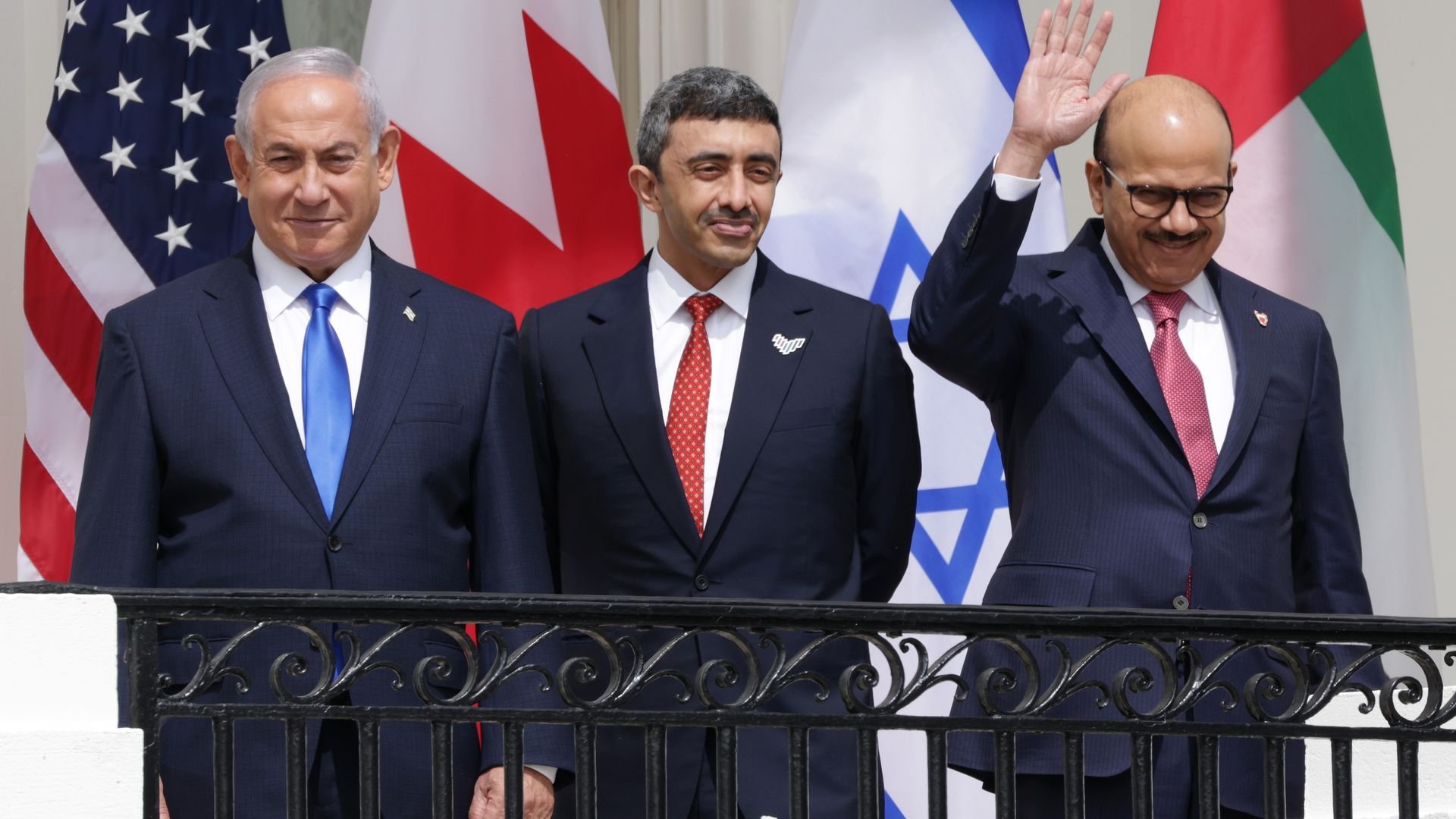
Israel has deployed its advanced Iron Dome missile defense system and military personnel to the United Arab Emirates in response to growing threats from Iran, according to sources familiar with the matter. This deployment represents a notable escalation in defense cooperation between the two nations, which normalized relations under the Abraham Accords in 2020.
The Iron Dome system, developed by Rafael Advanced Defense Systems, is a short-range air defense system designed to intercept and destroy incoming rockets, artillery, mortar shells, and other short-range threats. The system uses a combination of advanced radar, detection, and missile interception technologies to create a protective umbrella over strategic areas.
Technically, the Iron Dome operates through a three-step process: detection, interception, and destruction. The system's radar detects incoming projectiles within a range of approximately 70 kilometers. The Battle Management and Weapon Control System (BMC) then calculates the projectile's trajectory and determines whether it poses a threat to populated areas or strategic targets. If the projectile is deemed a threat, the system launches Tamir interceptor missiles to destroy it in mid-air.
The deployment to the UAE comes amid heightened tensions in the region, particularly following recent attacks attributed to Iranian-backed groups and concerns about Iran's advancing nuclear program. The UAE, with its strategic location and extensive infrastructure, has become increasingly concerned about potential missile threats from Iran and its proxies.
From a business perspective, this deployment underscores the growing market for advanced defense systems in the Middle East. The Iron Dome has proven its effectiveness in real combat scenarios, with intercept rates reportedly exceeding 90% in certain conditions. This success has made it an attractive export product for Israel's defense industry, which has seen increased interest from countries seeking to enhance their defensive capabilities.
The system's deployment to the UAE also represents a significant shift in regional security dynamics. The Abraham Accords, signed in 2020, normalized relations between Israel and several Arab nations, including the UAE, Bahrain, and Sudan. This security cooperation marks a further deepening of these relationships, moving beyond diplomatic recognition to practical defense collaboration.
Technologically, the Iron Dome represents a significant advancement in missile defense systems. Unlike traditional defense systems that rely on brute force to destroy incoming threats, the Iron Dome uses precision targeting and interception, minimizing collateral damage and reducing the cost per interception. The system's ability to differentiate between threatening and non-threatening projectiles also represents a sophisticated application of artificial intelligence and predictive analytics.
The deployment raises questions about the broader arms race in the region and the potential for increased military spending on defensive technologies. Countries in the Middle East have historically invested heavily in offensive capabilities, but the success of systems like the Iron Dome has shifted focus toward defensive technologies that can protect critical infrastructure and civilian populations.
From a market perspective, the defense technology sector is experiencing significant growth globally, with particular interest in missile defense systems. The International Institute for Strategic Studies estimates that global defense spending exceeded $2 trillion in 2022, with a growing portion allocated to advanced defensive technologies. The Middle East represents one of the fastest-growing markets for these technologies, driven by regional tensions and the need to protect strategic assets.
The Iron Dome's deployment to the UAE also highlights the increasing importance of cybersecurity in defense systems. Modern defense platforms like the Iron Dome rely heavily on digital networks, satellite communications, and sophisticated algorithms, making them potential targets for cyber attacks. This has led to increased investment in cybersecurity measures to protect these critical systems.
In conclusion, Israel's deployment of the Iron Dome system to the UAE represents both a significant strategic shift in Middle Eastern security dynamics and a demonstration of the growing importance of advanced defense technologies. The system's technical capabilities, combined with the evolving geopolitical landscape, suggest that defense cooperation between Israel and its Arab partners will continue to deepen, potentially reshaping regional security arrangements in the coming years.
Comments
Please log in or register to join the discussion