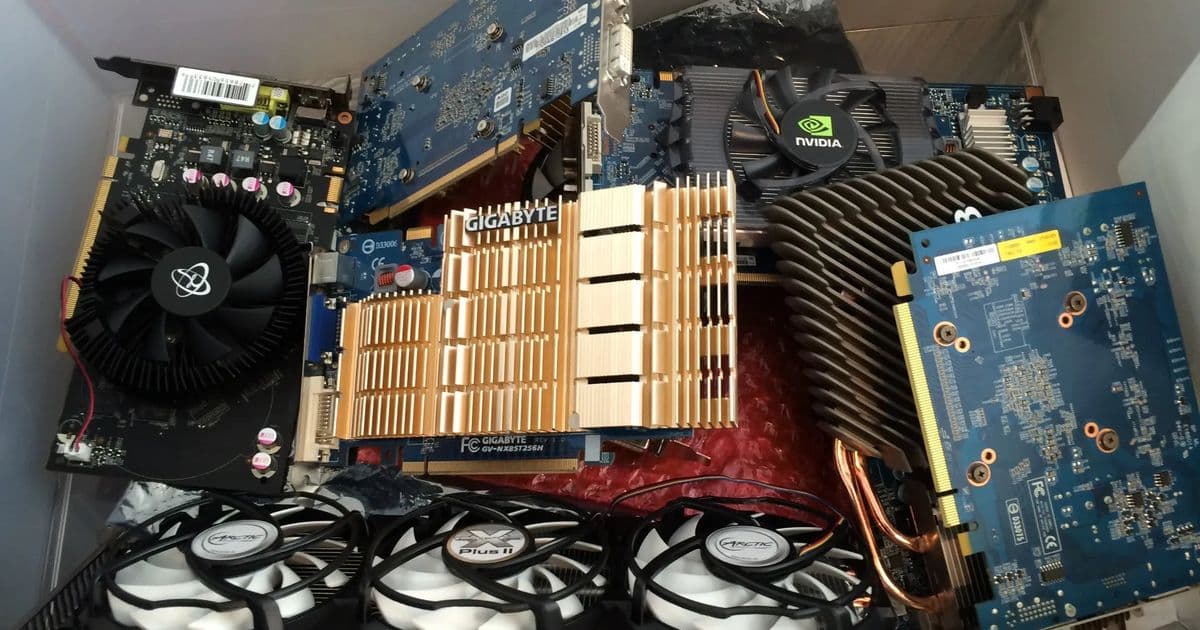
The outdated xf86-video-nv driver for NVIDIA GPUs has received its first update in over two years, bringing maintenance fixes and limited support for newer pre-Fermi hardware. While mostly superseded by modern alternatives, this relic from the early days of Linux graphics continues to serve a niche purpose for users with legacy systems.
In a surprising development for the Linux graphics community, the legacy xf86-video-nv driver has received its first update in more than two years. Released on April 26, 2026, by Oracle engineer Alan Coopersmith, xf86-video-nv 2.1.24 represents a rare maintenance update for this decades-old X.Oorg driver that was effectively abandoned by NVIDIA with the Fermi generation of GPUs around 2010.
The xf86-video-nv driver, or "NV DDX" as it's often referred to, represents a fascinating piece of Linux graphics history. This driver was originally designed for one primary purpose: to provide basic user-space mode-setting (UMS) functionality that was "good enough" to boot an X.Org Server session and allow users to download NVIDIA's official proprietary graphics driver. It was never intended to be a complete solution, serving more as a bridge to get proprietary drivers installed.
NVIDIA officially dropped support for xf86-video-nv around the GeForce 400/500 "Fermi" generation in 2010. The decision came at a time when several factors converged:
- Kernel mode-setting (KMS) was becoming the standard approach
- The X.Org Server was growing increasingly complex
- NVIDIA's own GPUs were becoming more sophisticated
- The open-source Nouveau driver was maturing into a viable alternative
For users maintaining systems with pre-Fermi NVIDIA hardware, the Nouveau driver has largely become the preferred open-source option. Unlike xf86-video-nv, Nouveau offers:
- 3D acceleration support
- Kernel mode-setting
- Better power management
- More complete feature sets
- Active development and maintenance
This makes xf86-video-nv largely redundant for most use cases today. However, there are still some scenarios where this legacy driver might be the only viable option:
- Systems with extremely old NVIDIA hardware where Nouveau support is incomplete
- Embedded systems with specific requirements that conflict with Nouveau
- Research environments studying historical Linux graphics implementations
- Legacy systems where proprietary drivers are unavailable or unsupported
The xf86-video-nv 2.1.24 release includes several noteworthy updates:
- Maintenance fixes for long-standing issues
- Improved man page formatting for better documentation
- Compiler fixes to ensure compatibility with modern toolchains
- Added support for the GeForce GT 320M, expanding hardware compatibility
- Various small optimizations and reliability improvements
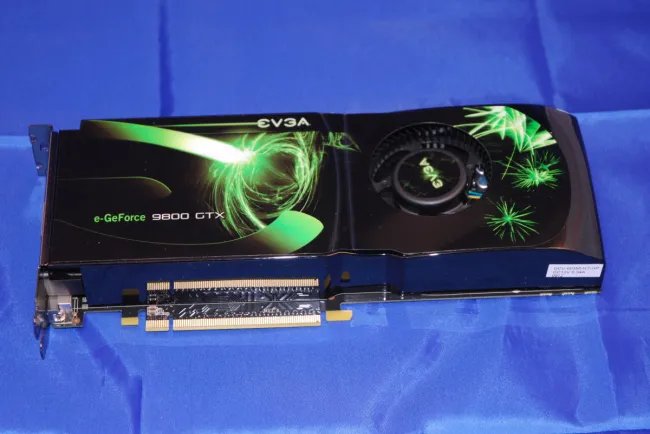
For those specifically requiring this NVIDIA UMS X.Org driver for pre-Fermi GPUs, the new legacy DDX is available through the X.Org mailing list. This distribution method reflects the driver's niche status in the modern Linux ecosystem.
Interestingly, Coopersmith's release activity wasn't limited to xf86-video-nv. As part of his role as X.Org release wrangler, he also coordinated updates to several other X.Org components:
- font-util 1.4.2: Font utilities with various small fixes
- xbitmaps 1.4.1: Bitmap data with maintenance updates
- xrandr 1.5.4: RandR extension with notable improvements
- libXpm 3.5.19: XPM library with various small fixes
The xrandr 1.5.4 release is particularly noteworthy as it represents a transition from Autoconf to Meson as its build system. This change aligns with broader trends in the open-source community toward more modern build systems. Additionally, xrandr now includes warnings when running under XWayland, providing better feedback to users about compatibility issues.
The continued maintenance of xf86-video-nv, albeit at a minimal level, speaks to the importance of backward compatibility in the Linux ecosystem. Even as technology advances, there remains a need to support legacy systems and ensure that historical functionality remains accessible. While most users will never need or want to use xf86-video-nv in 2026, its existence represents an important piece of Linux's graphical history and a safety net for those maintaining older hardware.
For those interested in exploring the xf86-video-nv driver or other X.Org components, the X.Org Foundation website provides documentation and resources. Additionally, the Nouveau project offers information about the modern open-source alternative that has largely replaced xf86-video-nv for most use cases.
Comments
Please log in or register to join the discussion