As AI accelerates technical workflows, engineers face unprecedented cognitive strain from constant context-switching, code review burdens, and the psychological toll of collaborating with non-deterministic systems. This deep analysis reveals how productivity gains mask unsustainable mental workloads.
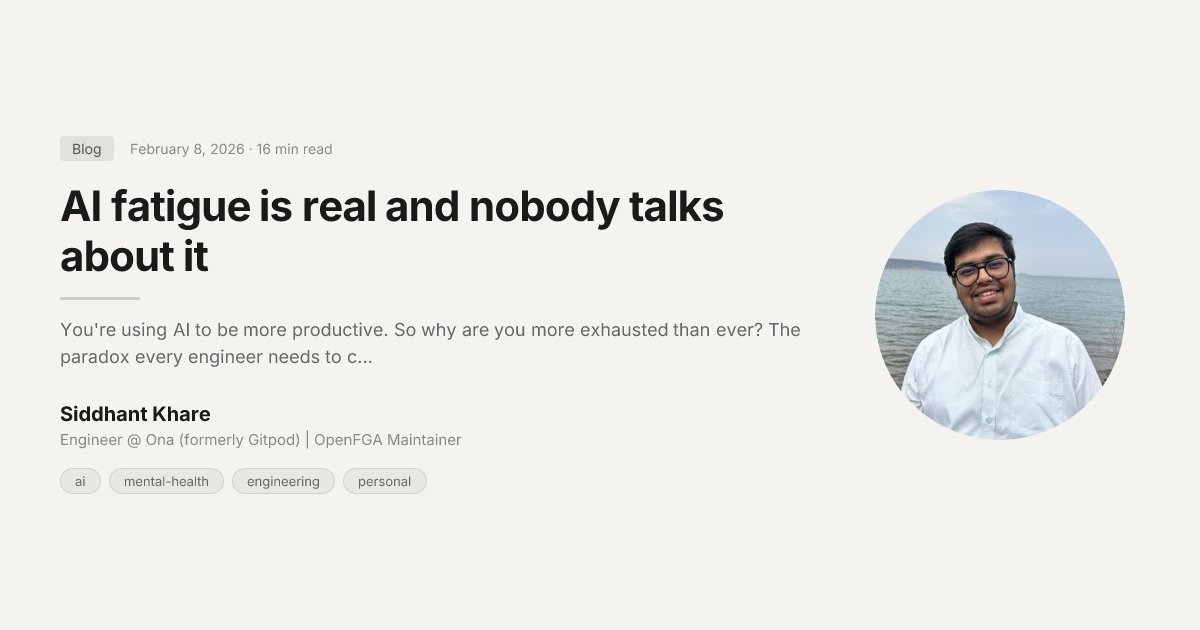
The Productivity Paradox
Artificial intelligence delivers on its promise of accelerated output - documentation drafted in minutes instead of hours, boilerplate code generated instantly, test cases created with single prompts. Yet engineers like Siddhant Khare, who builds AI agent infrastructure at Ona and maintains CNCF's OpenFGA, report unprecedented exhaustion despite these efficiency gains. The culprit lies in a fundamental mismatch between machine capabilities and human cognition.
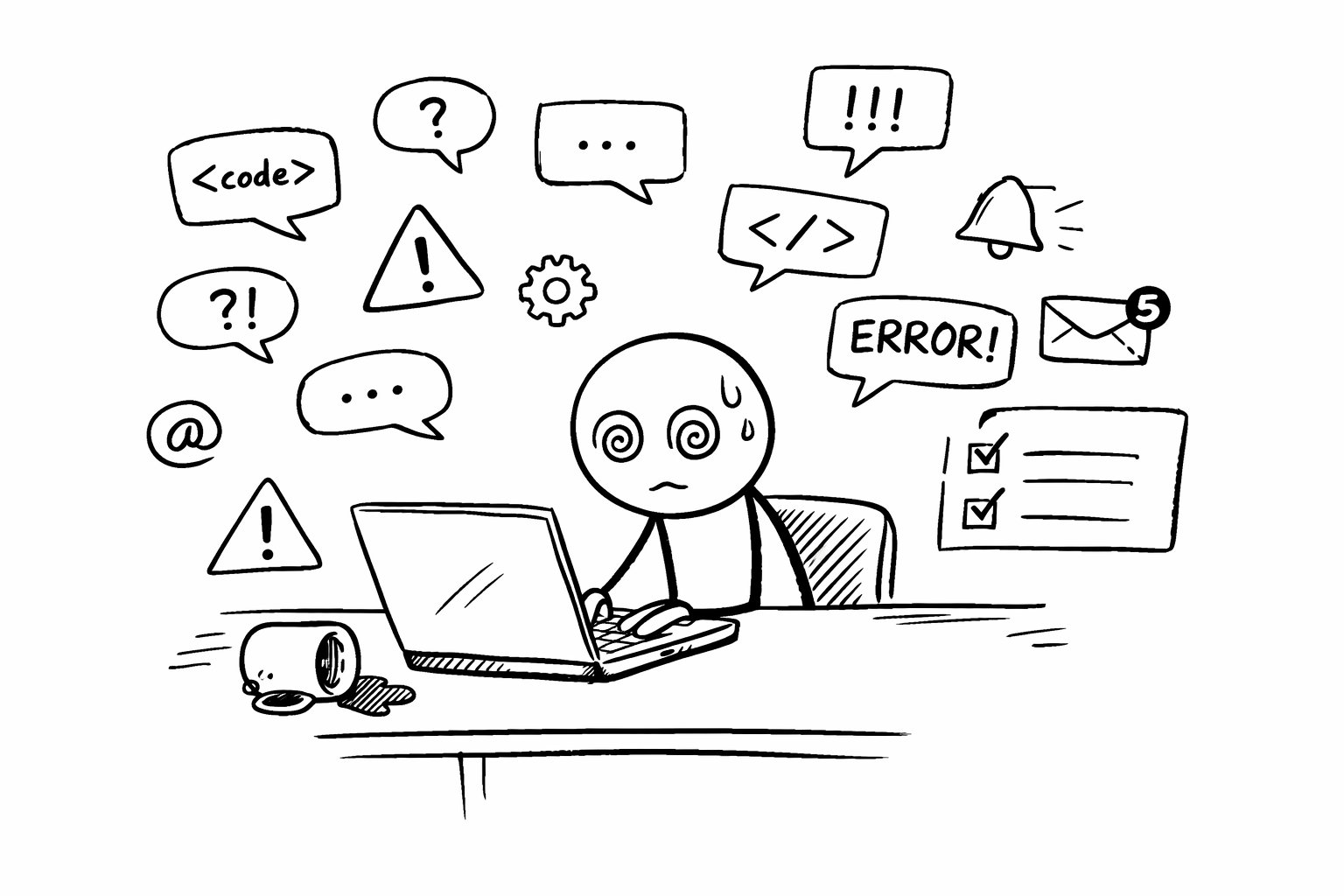
"When each task takes less time, you don't do fewer tasks. You do more tasks," Khare explains. "Your capacity appears to expand, so the work expands to fill it." This creates a vicious cycle where AI-enabled productivity becomes its own trap. Where engineers once spent deep focus sessions on single problems, they now context-switch across six different issues daily - a cognitive load that human brains aren't optimized to handle.
The Review Burden
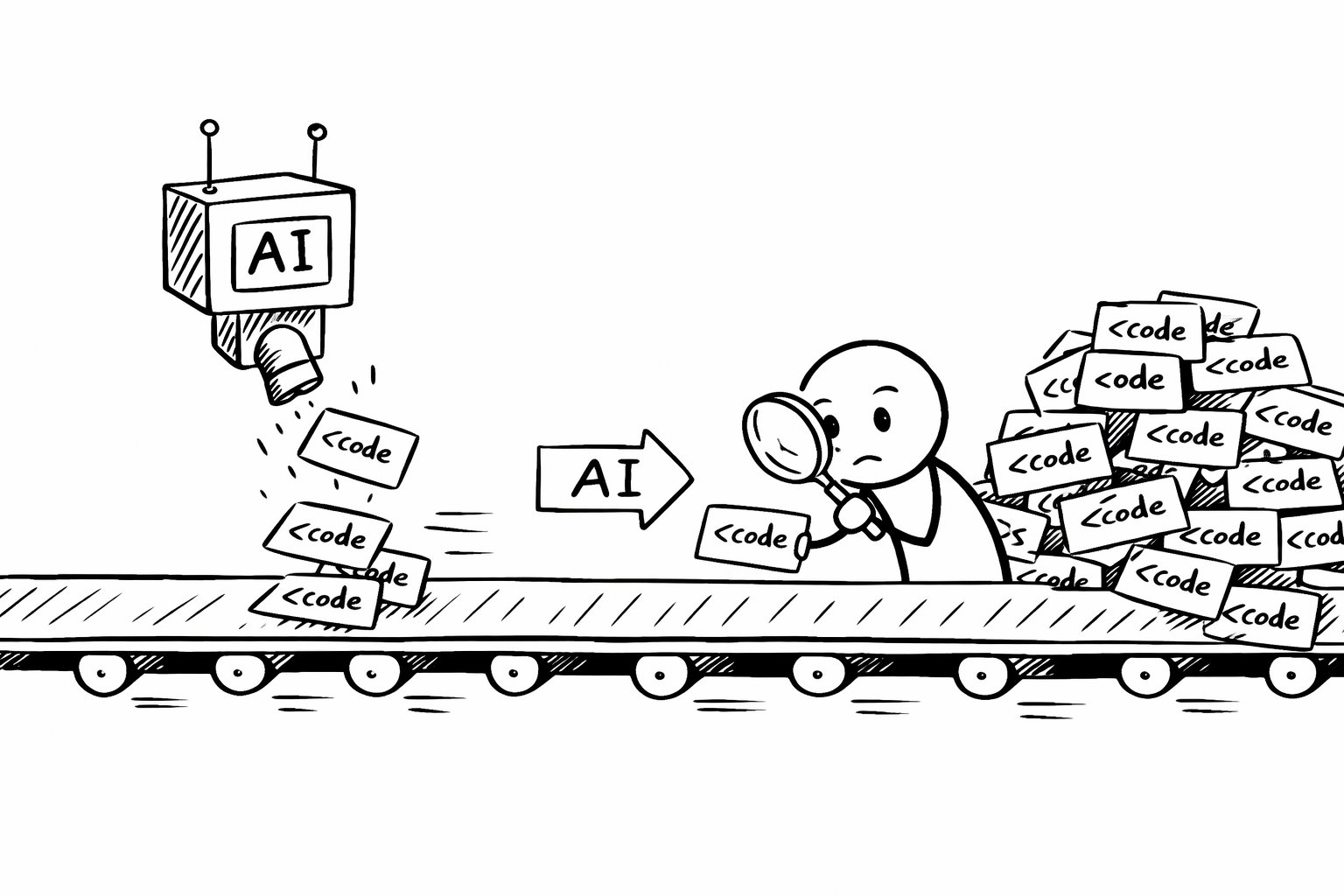
AI transforms engineers from creators to quality inspectors. Khare's workflow shifted dramatically: "Prompt, wait, read output, evaluate output, decide if output is correct, decide if output is safe... I became a reviewer. A judge. A quality inspector on an assembly line that never stops."
This shift carries neurological consequences. Research shows generative work creates flow states while evaluative tasks cause decision fatigue. The problem compounds with AI-generated code that appears confident but contains subtle errors. Unlike colleague-written code where patterns are predictable, every AI-generated line requires scrutiny - an exhaustive process Khare compares to "reading code you didn't write from a system that doesn't understand your codebase's history."
Non-Determinism in Deterministic Fields
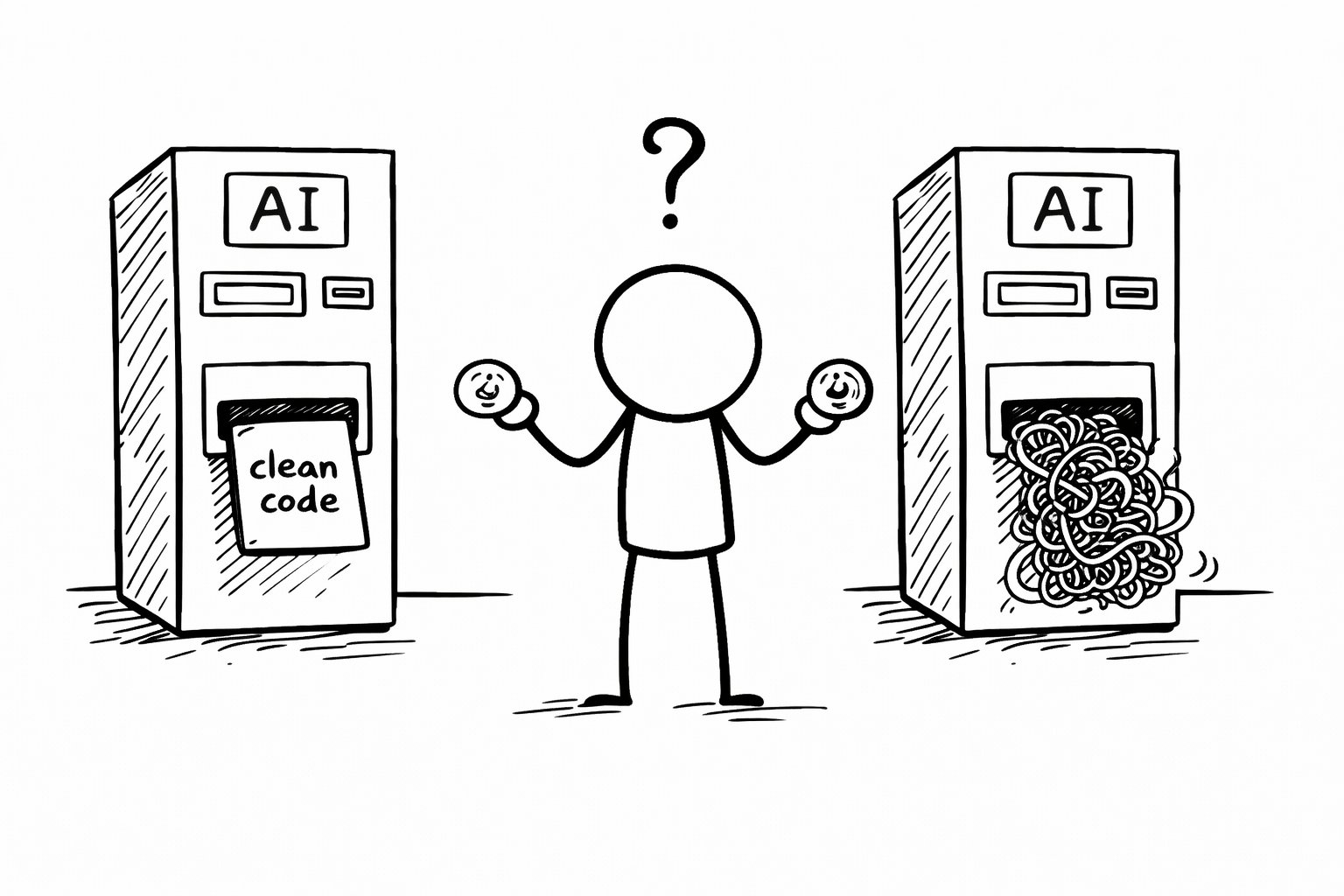
Engineers face existential discomfort with AI's probabilistic nature. Khare describes feeding identical prompts to models only to receive structurally different outputs - a violation of computing's fundamental contract. "There's no stack trace for 'the model decided to go a different direction today,'" he notes. This unpredictability creates low-grade chronic stress for professionals trained to expect reproducible results.
This frustration led Khare to build Distill, a deterministic context deduplication tool. "If the model's output is going to be nondeterministic, the least I can do is make sure the input is clean and predictable," he explains. The solution exemplifies a broader need for stability layers beneath churning AI ecosystems.
The Tool Churn Trap
The AI landscape moves at unsustainable velocity. Consider this snapshot from Khare's experience:
- Claude launches Code sub-agents → Skills → Agent SDK → Claude Cowork
- GitHub introduces MCP Registry
- OpenAI ships Swarm framework
- Kimi K2.5 orchestrates 100 parallel agents
- OpenClaw's skills marketplace spawns 400+ malicious agent skills in one week
"Each migration cost me a weekend and gave me maybe a 5% improvement," Khare admits. Engineers chasing every innovation risk perpetual shallow learning without mastery. Khare's solution: focus on infrastructure layers (OpenFGA, agentic-authz) that solve durable problems like authorization and audit trails regardless of framework trends.
Cognitive Atrophy and Recovery
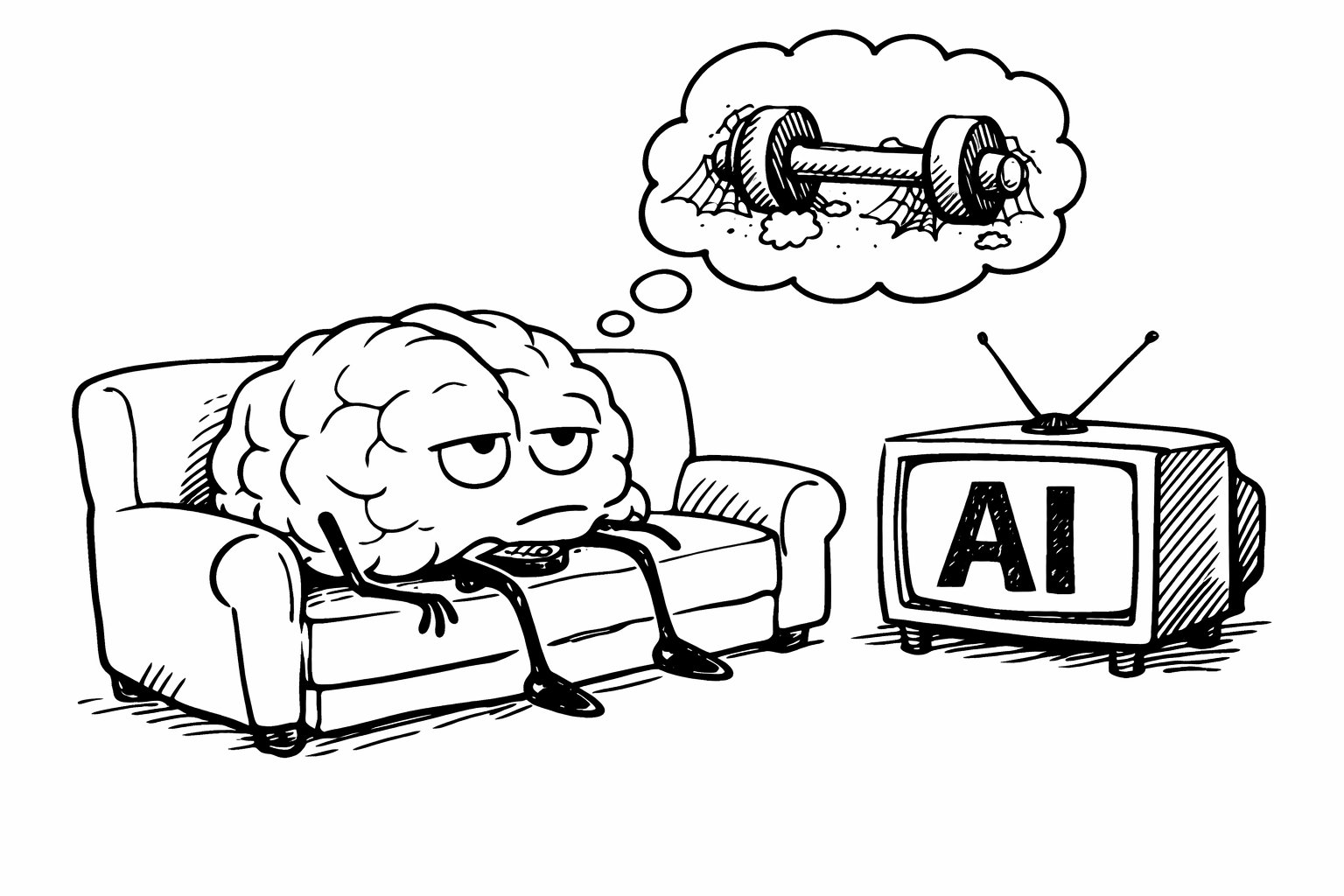
The most alarming consequence surfaces during unaided problem-solving. "I hadn't exercised that muscle in months," Khare confesses after struggling with a whiteboard design session. Like GPS-dependency eroding spatial reasoning, AI reliance weakens engineering fundamentals. Khare now mandates daily AI-free thinking sessions to maintain core skills.
Toward Sustainable AI Use
Khare proposes concrete adjustments:
- Time-box AI interactions: 30-minute limits prevent prompt spirals
- Accept 70% solutions: Perfecting AI output often costs more than manual creation
- Strategic tool adoption: Evaluate proven tools monthly, not trending ones weekly
- Selective review: Focus scrutiny on security boundaries and error handling
- Cognitive budgeting: Morning thinking sessions, afternoon AI execution
The solution isn't less AI, but better architected human-AI collaboration. As Khare concludes: "The engineers who thrive won't be those who use AI the most, but those who use it most wisely."
Explore Khare's infrastructure projects: Distill for context management, agentic-authz for authorization, and follow his ongoing work on AI agent sustainability.
Comments
Please log in or register to join the discussion