
Premature architectural complexity cripples development velocity when products are still evolving, creating systems that resist change despite technical correctness.

I used to equate professional backend engineering with anticipating future needs from day one: clean architecture, perfect boundaries, scalability-proof systems. It felt responsible. What I didn't grasp was that early-stage systems rarely fail from load—they fail when they become too rigid to adapt.
This lesson crystallized while working on a backend that scored perfectly on architectural diagrams: isolated authentication modules, abstracted messaging flows, and service contracts for internal communication. Yet adding a single field to an API response required modifying contracts across four layers, retesting unrelated flows, and deploying multiple services. The system wasn't broken—it was architecturally paralyzed.
Velocity Versus Clarity
The first hidden cost emerges when development velocity collapses before product clarity exists. Early-stage systems don't yet know which APIs will survive, which features are temporary, or which flows users will prioritize. Over-engineering imposes premature permanence on this uncertainty. Consider two architectural paths:
Simple Starting Point
Client → Controller → Service → Repository → Database
This pattern remains traceable and cognitively lightweight—critical when requirements shift weekly.
Premature Complexity
Client → API Gateway → Controller → Service Interface → Implementation → Adapter → Domain Layer → Event Publisher → Consumer → Database
Each layer has logical justification, but collectively they fracture causality. Developers stop debugging business logic and start tracing architectural paths. Behavior changes require modifying abstractions rather than outcomes.
Operational Burden Without Benefit
Operational complexity compounds the problem long before traffic justifies it. Multiple services mean:
- Coordinated deployments for minor changes
- Distributed logging and monitoring overhead
- Cascading failure points
Early systems need resilience against constant change, not millions of requests. This operational tax extends to human factors: intimidating codebases deter refactoring, discourage incremental improvements, and erode team momentum. Systems enter a dangerous twilight—too complex to evolve fluidly, but not broken enough to justify rewrites.
Prioritizing Adaptability
Architectural patterns have timing costs. For early-stage systems, prioritize:
- Monolithic simplicity - Co-locate components until boundaries stabilize
- Straightforward data flows - Avoid abstraction layers before patterns solidify
- Rapid debugging - Stack traces should map directly to code paths TileDB’s architecture documentation demonstrates this principle by keeping core operations unified until scaling demands separation.
Services can be extracted later. Resilience patterns can be added when failures occur. But reclaiming lost velocity is often impossible. Scaling challenges are visible and addressable; stagnation is silent and fatal.
Conclusion
The critical backend skill isn't designing for hypothetical scale—it's recognizing when your system doesn't deserve that complexity yet. Delay abstraction layers until:
- Core workflows stabilize
- Change patterns reveal natural boundaries
- Scaling pain becomes measurable
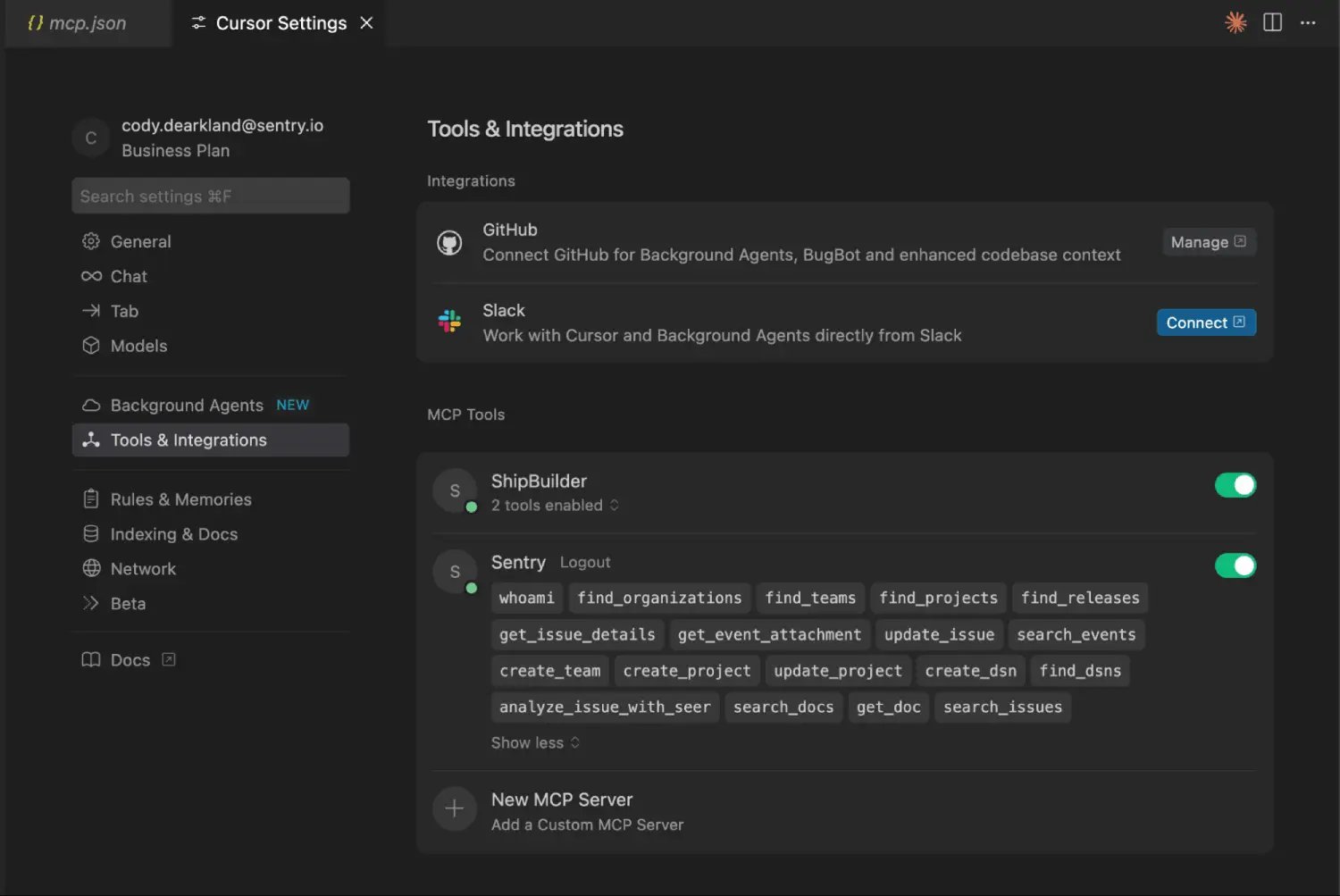
Debugging evolved: Sentry eliminates error message scavenger hunts with automated issue investigation using production context:

Next: When Over-Engineering Actually Makes Sense (And How to Spot the Threshold)
Comments
Please log in or register to join the discussion