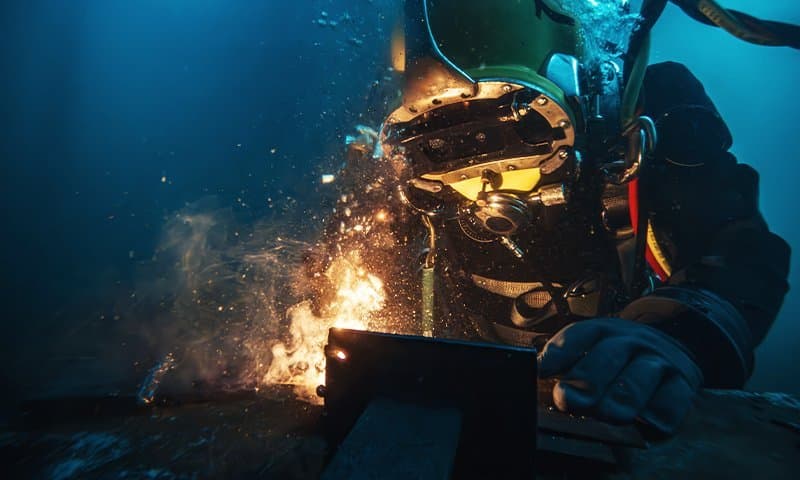
Saturation divers perform life-threatening work 1,000 feet below the ocean surface, surviving through meticulously engineered gas mixtures and pressurized habitats. Their role as 'glorified plumbers' for offshore oil infrastructure demands a fragile truce with physics, where one misstep can be fatal. This deep dive explores the extreme technology and human resilience defining Earth's most dangerous profession.
Chris Lemons watched his own death unfold in grainy black-and-white footage. There he was—300 feet below the North Sea, limbs twitching, umbilical hose severed—after a dynamic positioning system failure on the dive vessel Bibby Topaz dragged his diving bell away. For 40 minutes in 2012, without breathable air and crushed by pressure 10 times sea level, he lay immobilized. Miraculously revived, Lemons returned to work three weeks later. His story, captured in the documentary Last Breath, epitomizes the harrowing intersection of human endurance and engineering that defines saturation diving—'sat' diving to insiders—where teams live in pressurized chambers for weeks to maintain subsea oil infrastructure.
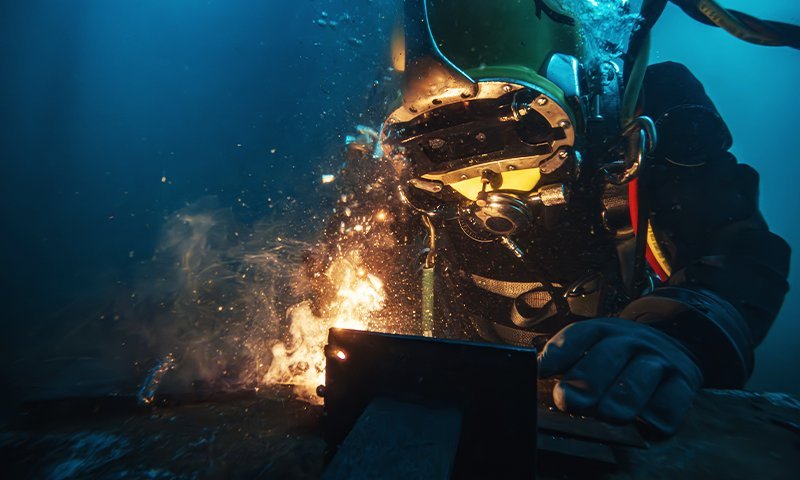
Engineering Survival in an Alien World
Saturation diving emerged from U.S. Navy research in the 1950s, enabling prolonged work at depths up to 1,000 feet by 'saturating' divers' tissues with inert gases. This eliminates repetitive decompression stops, revolutionizing offshore oil operations. Today, divers like Lemons inhabit claustrophobic steel chambers aboard ships, breathing heliox (a mix of helium and oxygen) to avoid nitrogen narcosis and oxygen toxicity. At depth, nitrogen in standard air becomes a deadly anesthetic, while excess oxygen triggers seizures. Heliox, with its low density, allows manageable inhalation under crushing pressure—though it renders voices comically high-pitched, requiring voice descramblers for communication.
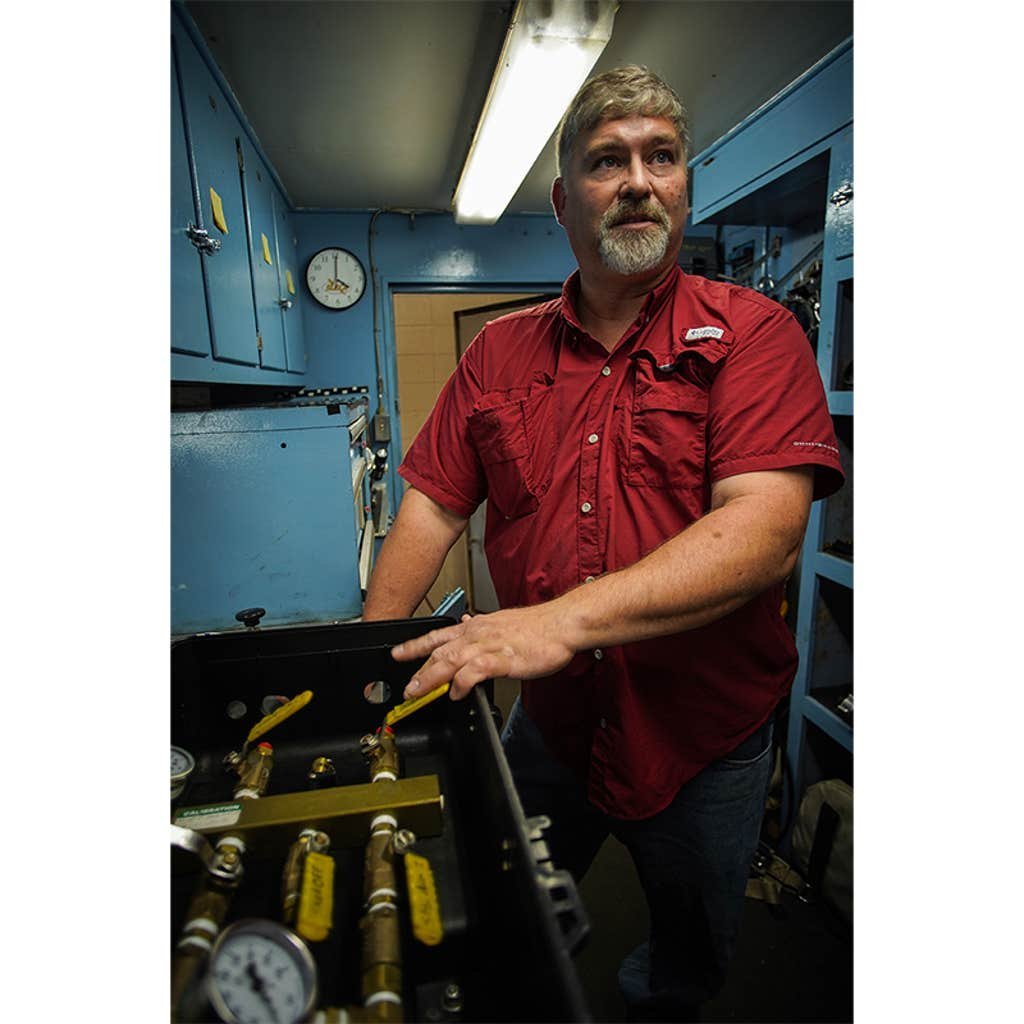
"All they really do is add bass to the high-pitched treble of the helium voices, turning Donald Duck into Oscar the Grouch," says Jerry Shepard, head instructor at South Louisiana Community College’s dive school.
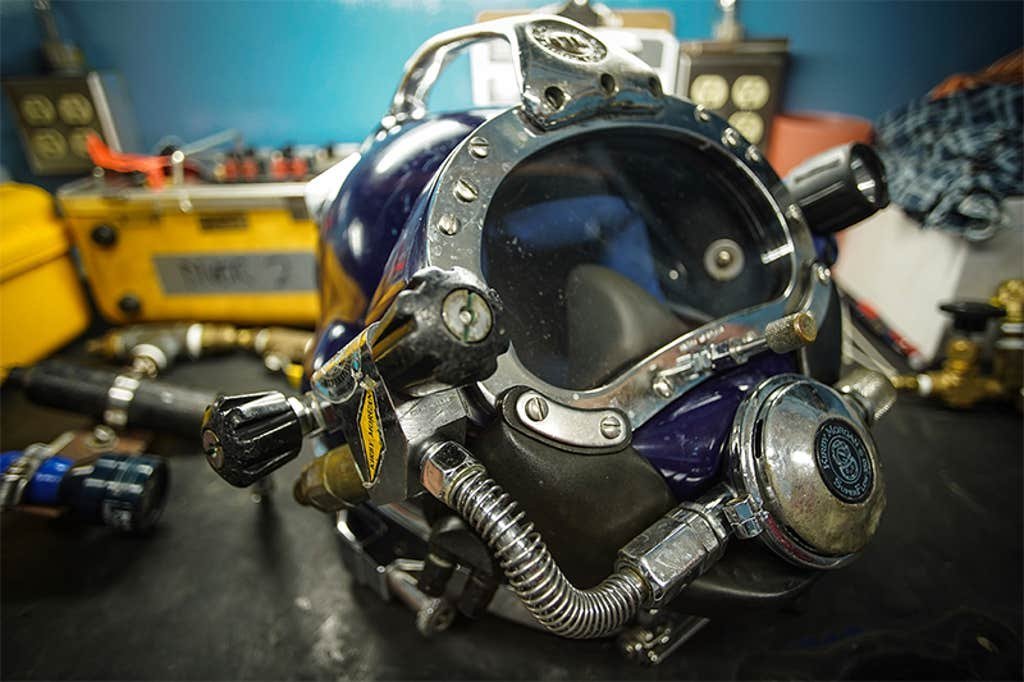
Divers descend in personnel-transfer capsules called diving bells—'taxis to the abyss'—to perform six-hour shifts repairing pipelines or wellheads. Each wears a Kirby Morgan helmet ('hat') fed by an umbilical supplying heliox, electricity, communications, and heated water. Visibility near zero is routine; tasks are guided by touch in frigid darkness. A bellman remains onboard to manage umbilicals, while two divers work within a 150-foot radius. Failure isn’t an option.
"A couple hundred feet above you is a ship with 160 people—all there so you can tighten this one bolt," explains a Gulf of Mexico sat diver named Jeff. "You don’t want to fuck it up."
The Razor's Edge of Physics and Physiology
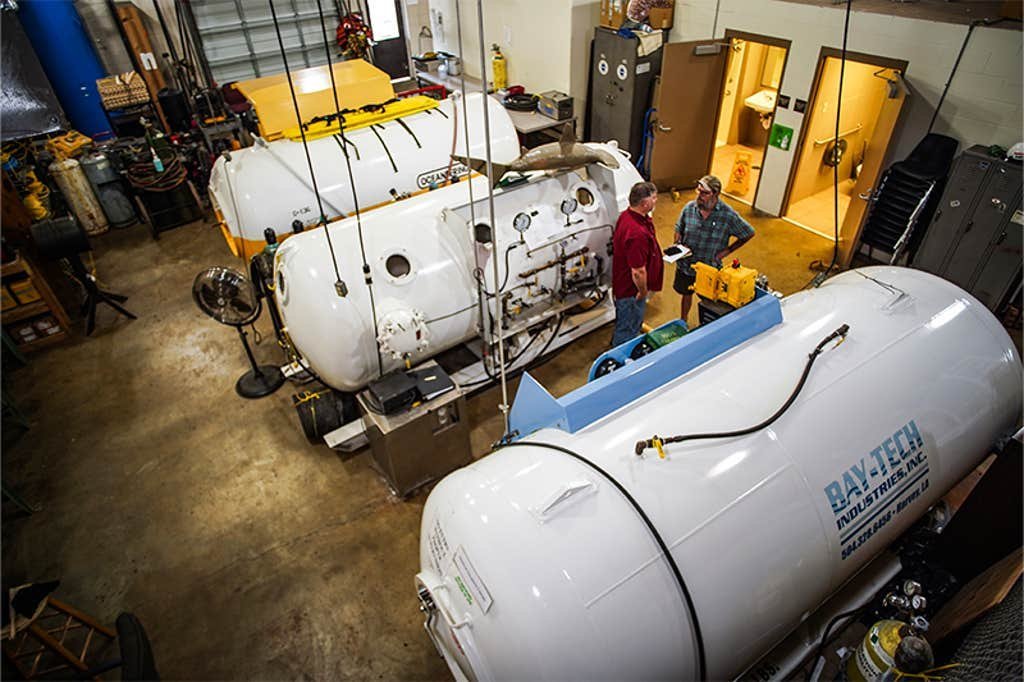
Human bodies weren’t designed for this. Under pressure, gases dissolve into tissues—a process manageable only via controlled saturation and excruciatingly slow decompression. Ascend too quickly, and nitrogen bubbles fizz like shaken soda, causing decompression sickness ('the bends'), which can be fatal. After a dive, teams endure up to 11 days of decompression in chambers, with pressure reduced incrementally. One day per 100 feet dived plus an extra day is standard—meaning a 1,000-foot dive requires 11 days of confinement. Divers pass time reading or writing; one Norwegian veteran drafted a 2,000-page memoir during decompression.
"During decompression, you understand you’re not so much being paid to dive as you are to simply wait inside a can," Lemons notes.
Accidents underscore the fragility of this equilibrium. Lemons’ ordeal spurred safety upgrades like redundant breathing systems and better dynamic positioning—GPS-guided thrusters that anchor ships. Yet history is marred by disasters: In 1983, premature decompression on the Byford Dolphin rig tore a diver apart and killed four others instantly. In 1970, a toilet valve failure in a chamber sucked a diver’s intestines out under pressure differentials.
Why They Dive: Normalizing the Extreme
Fewer than 12,000 sat divers exist globally, earning $180,000–$200,000 annually for 160 days of work. Most are men aged 25–40; only four women are known to have done the job. The profession demands emotional stability—'assholes don’t last,' Jeff says—and a perverse attraction to risk. For Lemons, who dived for a decade after his near-death experience, the terror faded into acceptance: "I can still feel how the fear drained out of me. I’d done all I could, and rather calmly thought, well, this is it."
As offshore wind and carbon capture projects expand, sat divers remain indispensable. Their work embodies a stark truth: Even with cutting-edge tech, human adaptability is the ultimate engineering marvel. Lemons’ reflection captures this duality—"It is amazing what you normalize"—in a field where biology and innovation collide in the planet’s most hostile environment.
Source: The Divers Who Stretch the Limits of Human Biology by Charles Digges for Nautilus.
Comments
Please log in or register to join the discussion