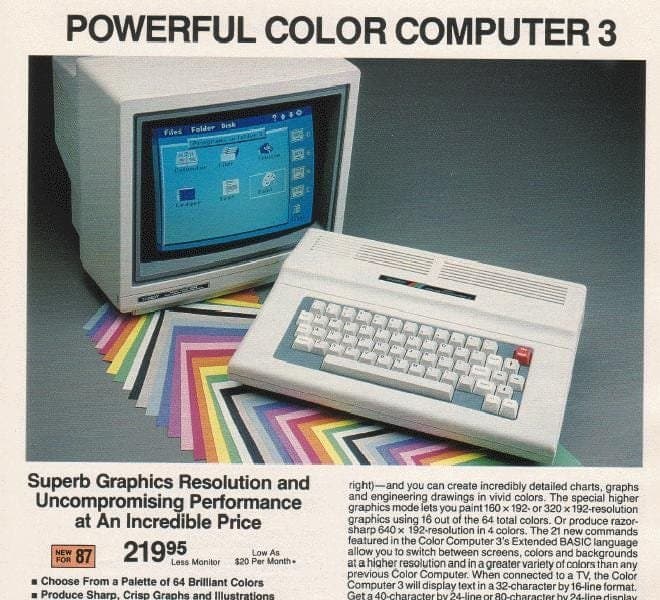
Tandy Corporation, once a dominant force in personal computing with the iconic TRS-80 and Color Computer, embarked on a decade-long decline marked by strategic missteps, technological stagnation, and a failure to adapt. This deep dive explores how reliance on proprietary standards like DeskMate, late adoption of industry shifts like VGA and 16-bit architecture, and a fractured retail strategy led to its downfall despite brief glimmers of innovation like the Sensation.
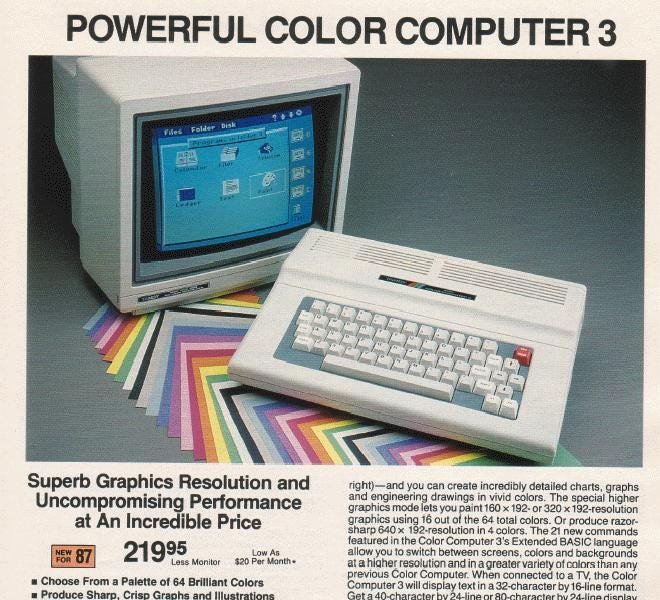
Tandy Corporation entered the 1980s riding high on the success of the TRS-80, a pioneer in the personal computing revolution. Yet, by the early 1990s, the company synonymous with Radio Shack found itself relegated to the sidelines, its market share dwindling to a mere 3%. The story of Tandy's decline is a complex tapestry of technological innovation, strategic blunders, market misreads, and the relentless pace of an industry it helped create.
The Peak and the First Cracks: The Tandy 1000 Era
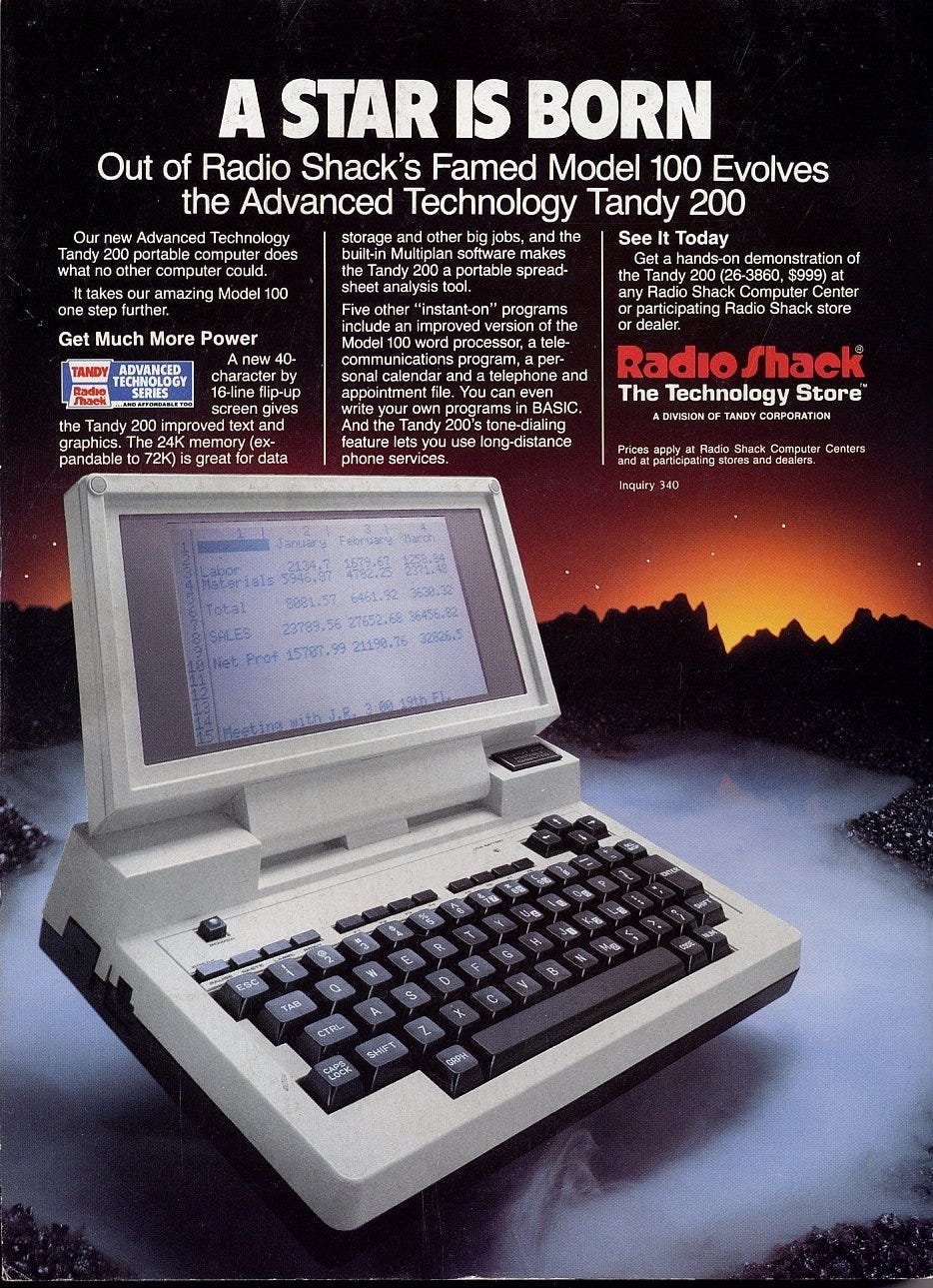
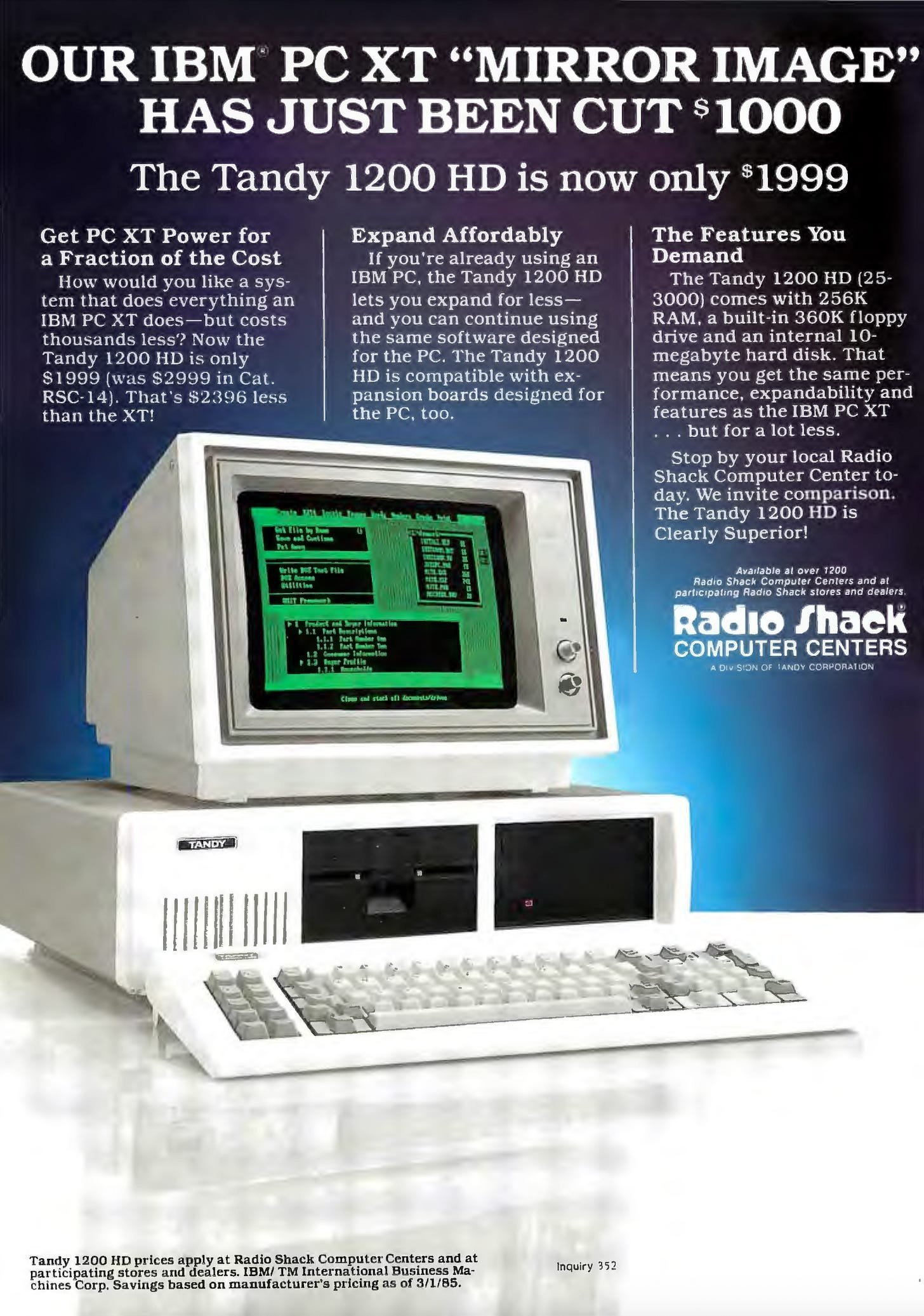
The 1984 launch of the Tandy 1000 seemed like a masterstroke. Offering better performance and greater IBM PC compatibility than IBM's own machines at a lower price, it was a technical triumph. It kept Tandy relevant in the home market, albeit clinging to roughly 10% share. However, this success masked underlying vulnerabilities. Simultaneous releases like the Tandy 200 laptop, intended to follow the wildly popular Model 100, stumbled due to high pricing ($999 for 24K RAM) and, crucially, its lack of true IBM PC compatibility just as the clone market exploded. Competitors like the Data General One, despite its own flaws, offered MS-DOS and superior specs, highlighting Tandy's emerging lag.
Internally, tensions simmered. Attempts to broaden sales channels by selling directly to colleges, military bases, and American Express cardholders angered Radio Shack's owner-operators. The purchase of competing retailers Scott-McDuff and Video Concepts further alienated this crucial network. Tandy was trying to grow, but its core retail foundation was fracturing.
Doubling Down on the Past: The 1000 SX, EX, HX, and the DeskMate Dilemma
Throughout the mid-to-late 80s, Tandy relentlessly iterated on the 1000 line:
- 1000SX (1986): Faster 8088, DMA controller, hard card options.
- 1000EX (1986): A cost-conscious model in a Color Computer-like case using the proprietary Tandy PLUS card expansion system (electrically ISA, physically different). Sold well (est. 3M units) but locked users into Tandy's ecosystem.
- 1000HX (1987): Revised EX with 3.5" floppy bays, MS-DOS in ROM.
- 1000TX (1987): Featured a 286 CPU but crippled by retaining only an 8-bit ISA bus and lacking high-density floppy support – a critical limitation as the industry surged forward.
Central to the Tandy experience was DeskMate, its integrated graphical application suite. Evolving from a simple launcher to Personal DeskMate (with paint, calculator) and eventually DeskMate 3 (featuring a sound sampler and third-party apps), it was ambitious. However, it remained a walled garden, often requiring specific Tandy hardware (like the Digi-mouse) and failing to achieve the ubiquity of DOS or the flexibility of emerging GUIs like Windows. Its inclusion in ROM on later models (SL, TL) was innovative but couldn't compensate for the platform's growing limitations.
 DeskMate II, showcasing Tandy's ambitious but ultimately constrained software environment.
Missed Shifts and Mounting Problems
Tandy's struggles weren't confined to desktops. While the Color Computer 3 (1986/87) was a capable 8-bit machine, the market was rapidly moving to 16-bit and beyond. High-end efforts like the 68000-based Tandy 6000 workstation and the 386-powered Tandy 4000 (1988) were prohibitively expensive and niche, failing to gain traction against Sun, DEC, and emerging PC compatibles. The 1400LT laptop (1988), while a competent NEC V20 machine, arrived as VGA became standard and AdLib sound cards made Tandy's proprietary 3-voice sound obsolete.
CEO John Roach's 1986 store visits revealed decay, leading to an IBM-style dress code and remodels aimed at shedding the "hobbyist" image. While the catalog expanded, the core issue remained: Tandy technology was increasingly perceived as outdated. Diversification through acquisitions (GRiD Systems, Memorex products) and white-label deals (selling to DEC and Panasonic) provided temporary financial relief but diluted focus. Record earnings in 1989 masked Radio Shack's decline.
The Fatal Delay: 16-bit Bottlenecks and the Last Gasps
As the 90s dawned, Tandy's product line became an anachronism. The SL/2, TL/2, TL/3 (1990), and even the new-case RL, RLX (1991) models stubbornly clung to 8-bit ISA slots and slow 286 CPUs when the market demanded 386 power, VGA/SVGA, proper 16-bit buses, and Windows compatibility. The 1000RSX/HD (1991) finally offered a 25MHz 386SX, 16-bit ISA slots, SVGA, and a decent IDE hard drive – a genuinely competitive machine. However, it sacrificed backward compatibility with older Tandy graphics/sound standards, arriving far too late to salvage the brand's reputation.
Tandy's leadership had already bet the company elsewhere. They poured resources into retail ventures: expanding McDuff and Video Concepts, launching Computer City and Edge in Electronics, and creating the colossal Incredible Universe "electronics mini-malls" (1992). These ventures proved disastrously expensive and ultimately failed.
The Tandy Sensation (1993), a true Multimedia PC standard machine with 386SX to 486DX2 options, was technically sound but epitomized "too little, too late." By 1993, Tandy exited the computer business, selling Victor, Tandy, and GRiD to AST Research. The retail empire collapsed shortly after.
 The Tandy Sensation: A capable MPC machine, but it arrived as Tandy abandoned its core business.
Why Tandy Failed: A Legacy of Lessons
Two core failures sealed Tandy's fate in computing:
- Stagnation & Late Adoption: Persisting with 8-bit architecture and proprietary standards (Tandy Graphics/Sound, PLUS cards, DeskMate dependencies) deep into the 16-bit era made their offerings look obsolete. They were slow to embrace VGA, proper 16/32-bit buses, and the industry shift towards open compatibility and Windows.
- Distribution Myopia: Over-reliance on the Radio Shack channel, despite its growing limitations and the alienation of store owners, prevented Tandy from reaching the broader retail and corporate markets where competitors thrived. Diversifying sales channels happened far too late.
Tandy's story is a poignant chapter in tech history. It highlights the peril of resting on past laurels, the critical importance of anticipating and embracing disruptive technological shifts (even those you helped create), and the necessity of aligning distribution with evolving market realities. The machines like the TRS-80 Model 100 and the Tandy 1000 left an indelible mark, but the company's inability to navigate the rapidly changing landscape serves as a lasting cautionary tale for the entire tech industry.
Comments
Please log in or register to join the discussion