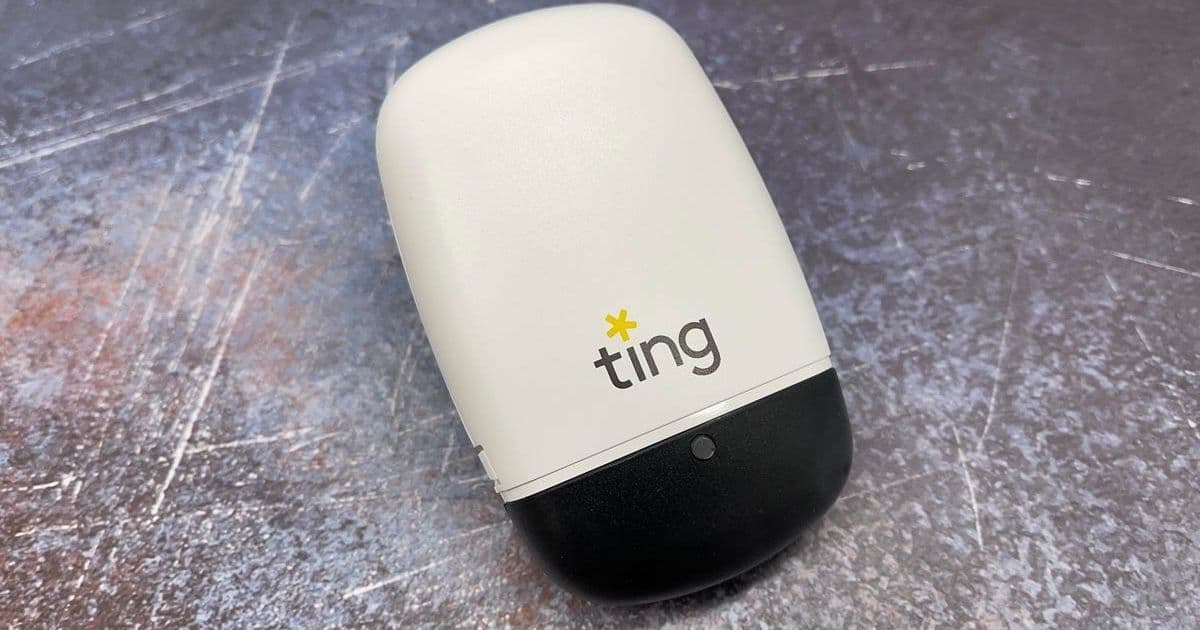
ZDNET's David Gewirtz tested the Ting Smart Sensor, a discreet gadget that plugs into any outlet to detect electrical arcing—a leading fire hazard. After months of silent operation, it delivered valuable voltage insights and peace of mind, though its outage mapping lags behind utility tools.
As reported by David Gewirtz for ZDNET
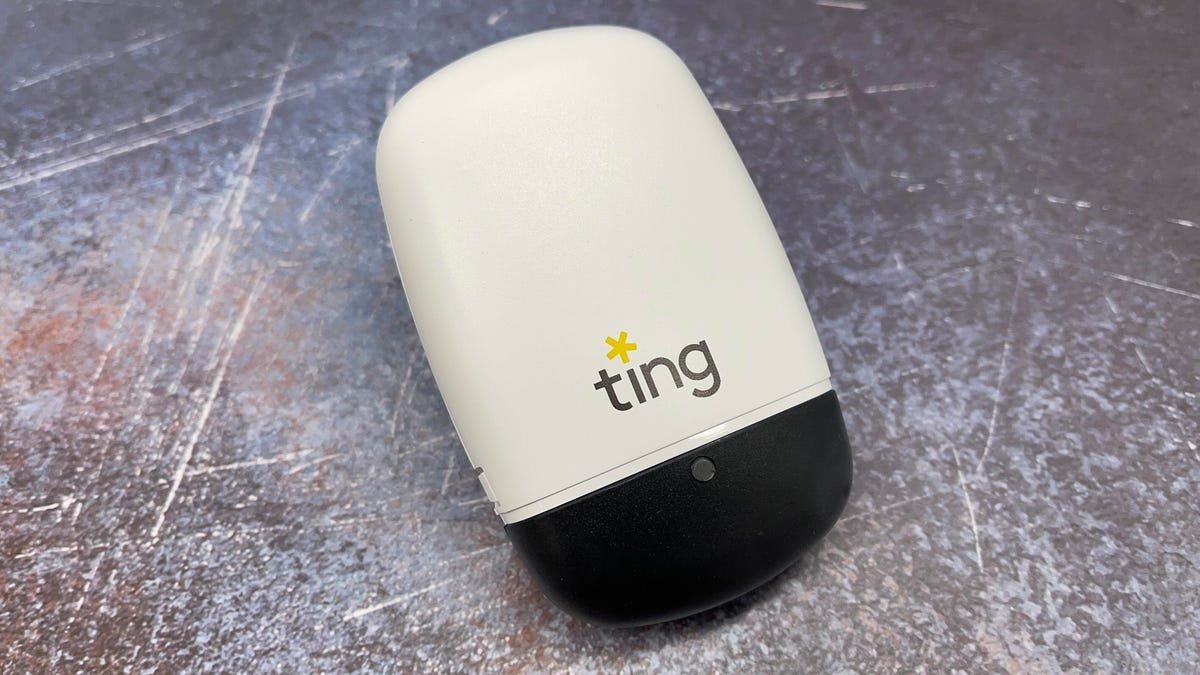
Reviewing a device that "does nothing" sounds paradoxical, yet that’s precisely the challenge with the Ting Smart Sensor. This $99 gadget, resembling a minimalist charger, promises to avert electrical fires by passively monitoring your home’s wiring for dangerous arcing events—microscopic sparks that can ignite over time. Plugged into an outlet, it silently analyzes electrical patterns 24/7, only alerting you via app if hazards emerge. For Senior Contributing Editor David Gewirtz, who tested it in his electronics-packed Fab Lab (home to 3D printers and servers), the absence of alarms became the ultimate endorsement: months of green lights signaled his wiring was safe.
How Ting Works: Invisible Vigilance for Hidden Hazards
Electrical arcing often stems from degraded wires, loose connections, or overloaded circuits—issues invisible until flames erupt. Ting uses machine learning to establish a baseline of your home’s "electrical fingerprint" over seven days, then detects anomalies like erratic voltage spikes. As Gewirtz notes:
"It looks for indications of electrical arcing events, which often get worse over time, leading to fires. Thankfully, after months in my lab, it reported nothing—proving my setup was secure."
The device connects via Wi-Fi (2.4GHz or 5GHz) to a smartphone app, delivering weekly voltage reports that reveal usage trends. Gewirtz shared samples showing how spikes correlated with HVAC cycles, 3D printer activity, and even overnight AC use during heatwaves. For developers and smart-home enthusiasts, this data offers a rare glimpse into energy consumption patterns—though the real-time monitoring view is limited to a cramped 20-second window, a missed opportunity for deeper analysis.
Strengths and Shortfalls: Where Ting Shines (and Fizzles)
While Ting excels at fire prevention, its outage-tracking feature falters. The app displays localized outages based on other Ting users’ data, but as Gewirtz discovered, its coverage pales next to utility providers or sites like PowerOutage.us. Side-by-side maps during testing showed sparse Ting data versus detailed utility insights, with the app’s dark-gray-on-black design further hindering readability. Gewirtz wryly observes:
"Until more devices deploy, this feels more like a stunt than a reliable emergency tool."
Yet Ting’s core safety value is validated by real-world impact. It aided officials investigating Hawaii wildfires and flagged Spain’s grid instability before a blackout. For engineers, this underscores IoT’s potential in predictive maintenance—transforming passive sensors into proactive safeguards.
The Verdict: Peace of Mind at a Price
Priced at $99, Ting isn’t a substitute for professional electrical inspections, but it delivers tangible reassurance. Gewirtz emphasizes it’s ideal for tech-savvy homeowners seeking an extra layer of protection, especially in high-demand environments like workshops or server rooms. As he concludes:
"If you want peace of mind, it’s worth the investment. Just don’t confuse it with the Ting ginger candies—those won’t save your circuits."
Ultimately, Ting epitomizes smart-home innovation’s quiet evolution: a device that proves sometimes, doing nothing is everything.
Source: ZDNET, October 2025.
Comments
Please log in or register to join the discussion