
A Finnish man was convicted of stealing and leaking the therapy notes of 33,000 people, exposing the most intimate details of their lives. The case reveals the devastating real-world consequences of digital privacy violations and the challenge of prosecuting anonymous cybercriminals.
The verdict came down in a Helsinki courtroom, but the man in the dock had already spent years as a ghost in the machine. Aleksanteri Kivimäki, a 26-year-old Finnish man, was found guilty on all 20,725 charges against him for one of the most extensive data breaches in European history. His crime: stealing and leaking the therapy notes of approximately 33,000 Finnish people, exposing their deepest fears, traumas, and private thoughts to the world.
The scale of the breach is staggering. Kivimäki didn't target a government agency or a multinational corporation. He went after Vastaamo, Finland's largest private psychotherapy center, a network of clinics that treated thousands of patients across the country. Between 2018 and 2020, he systematically hacked their systems, downloading hundreds of thousands of therapy session notes, patient records, and diagnostic information.
What makes this case particularly disturbing is the nature of the stolen data. Unlike credit card numbers or passwords, therapy notes contain the raw, unfiltered inner lives of patients. The breach exposed details of childhood abuse, suicidal thoughts, sexual trauma, and marital problems. For many victims, this wasn't just a privacy violation—it was a profound violation of their psychological safety.
The consequences were immediate and tragic. At least two victims died by suicide shortly after their notes were leaked. Others faced blackmail attempts, with criminals threatening to expose their therapy records unless they paid ransoms. The Finnish government was forced to establish a special support system for victims, and the case prompted a national conversation about digital privacy and mental health.
Kivimäki operated with remarkable technical sophistication. He exploited vulnerabilities in Vastaamo's outdated systems, using relatively simple methods that should have been preventable. The company had failed to update its software for years, leaving it vulnerable to known exploits. Yet Kivimäki's approach was methodical and patient, suggesting a deep understanding of both the technical and psychological aspects of his crime.
The investigation itself became a complex digital manhunt. Finnish police worked with international cybersecurity experts to trace the digital footprints left by the hacker. The breakthrough came when Kivimäki made a critical error: he used a cryptocurrency wallet that could be linked to his real identity. This single mistake unraveled years of anonymous operation.
Kivimäki's defense argued that he never intended for the data to be leaked publicly. He claimed he stole the information to expose Vastaamo's security failures and that he planned to return the data anonymously. The court rejected this argument, noting that he had actively sought to profit from the breach and had made no effort to secure the stolen information.
The case highlights several critical issues in cybersecurity and digital privacy. First, the vulnerability of healthcare data. Medical and mental health records are among the most sensitive personal information, yet they often reside on systems with inadequate security. Vastaamo's failure to implement basic security measures—regular updates, encryption, access controls—created the opportunity for this breach.
Second, the challenge of prosecuting cybercrime. Kivimäki operated across international borders, using anonymizing technologies and cryptocurrency. While he was eventually caught, the investigation required significant resources and international cooperation. Many cybercriminals remain beyond the reach of law enforcement.
Third, the psychological impact of data breaches. We often discuss data breaches in terms of financial loss or identity theft, but the Vastaamo case shows that the emotional and psychological harm can be far more severe. When therapy notes are exposed, it's not just a privacy violation—it's a violation of therapeutic trust that can cause lasting trauma.
The Finnish response to the breach was comprehensive. The government established a dedicated support system for victims, providing free counseling and legal assistance. The case also prompted new legislation to strengthen data protection for healthcare information and increase penalties for data theft.
Kivimäki's sentence—six years and three months in prison—reflects the severity of his crimes, though many victims and their families felt it was insufficient given the scale of the harm. The court also ordered him to pay substantial damages to the victims, though the practical collection of these payments remains uncertain.
This case serves as a stark reminder of the real-world consequences of cybersecurity failures. Behind every data breach statistic are real people whose lives can be irrevocably changed. For the 33,000 victims of the Vastaamo breach, the exposure of their most private thoughts continues to affect their daily lives, their relationships, and their mental health.
The story of Aleksanteri Kivimäki is ultimately a cautionary tale about the fragility of digital privacy in an increasingly connected world. It demonstrates that even the most intimate aspects of our lives are vulnerable when stored digitally, and that the consequences of a breach can extend far beyond financial loss to the core of human dignity and psychological safety.
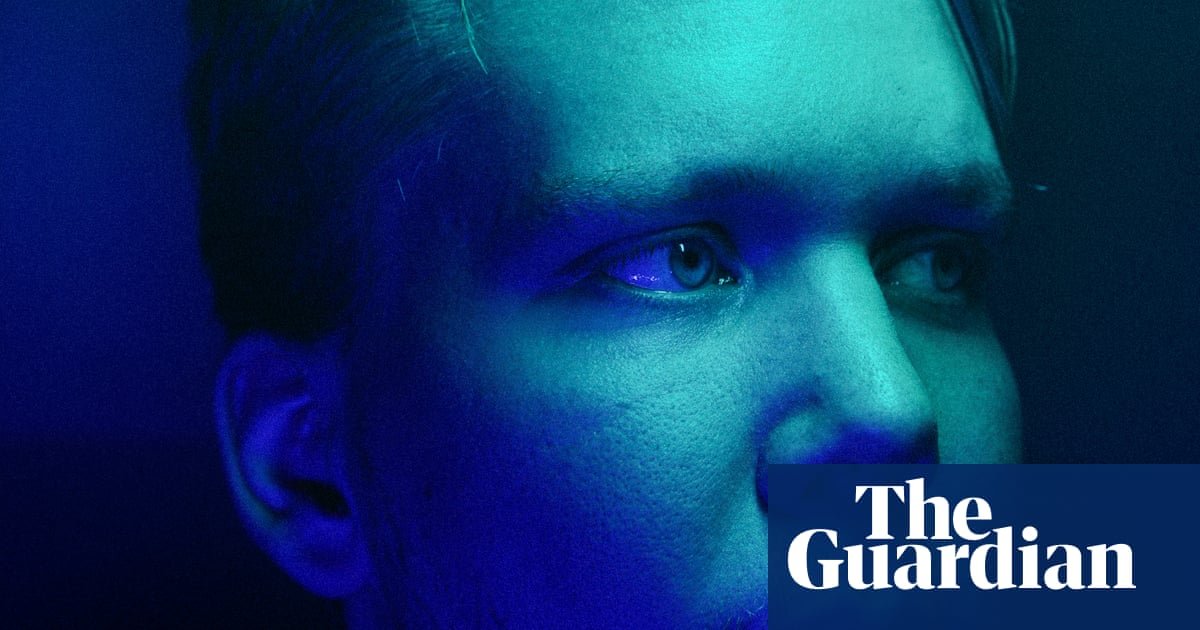
The case exposed the devastating real-world consequences of digital privacy violations.
{{IMAGE:2}}
Finland's response to the breach included establishing a dedicated support system for victims.
Comments
Please log in or register to join the discussion