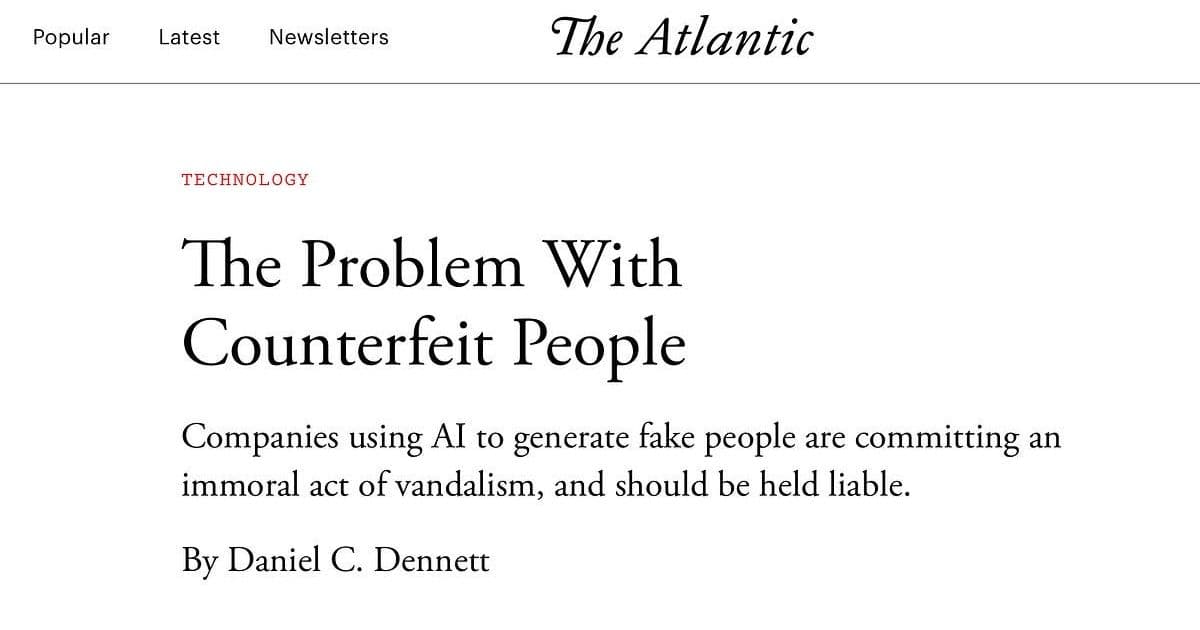
AI deepfakes and voice cloning have advanced to the point where federal regulation is urgently needed to prevent impersonation and protect citizens from sophisticated scams.
The rapid advancement of AI technology has reached a critical juncture where the ability to create convincing digital impersonations poses unprecedented risks to society. As philosopher Daniel Dennett warned three years ago, we now face an urgent need for federal legislation to prevent AI systems from impersonating humans.
The Deepfake Revolution Has Arrived
The technology for creating convincing deepfakes has evolved dramatically. Recent developments show that anyone's appearance can now be convincingly faked with sufficient data, and the cost has dropped to nearly zero. This democratization of deepfake technology means that sophisticated impersonation tools are no longer limited to well-funded organizations or governments.
A particularly concerning development involves voice cloning systems like OpenClaw, which can now make phone calls and convincingly pretend to be human. This capability transforms what was once a visual-only threat into a full-spectrum impersonation risk that can target people through their phones, video calls, and other communication channels.
Real-World Consequences Are Already Happening
The threat is not theoretical. A documented case involves a Canadian individual who lost hundreds of thousands of dollars to scammers using deepfaked video of Mark Carney. This incident represents just the beginning of what experts predict will be a massive wave of AI-enabled fraud in 2026, potentially exceeding all previous deepfake scams combined.
These scams exploit the fundamental trust we place in human communication. When someone sees and hears a person they recognize, they naturally assume authenticity. AI has now reached the point where this assumption can be dangerously wrong, and the consequences can be financially devastating.
The Legislative Gap
While some states have attempted to address these issues through local legislation, the fragmented approach creates enforcement challenges and loopholes that sophisticated bad actors can exploit. The federal government's current stance, which some argue undermines states' abilities to regulate AI, leaves a dangerous regulatory vacuum.
What Federal Legislation Should Address
Experts are calling for comprehensive federal laws that would:
- Ban AI systems from presenting machine output as human - No chatbot should be allowed to claim it is a person
- Prohibit deepfakes of living people without express consent - With reasonable exceptions for parody and artistic expression
- Establish enforcement mechanisms - Creating clear penalties for violations
- Set standards for disclosure - Requiring clear identification when AI is being used
The Technology Race
The challenge is compounded by the fact that AI systems continue to improve rapidly. While current generative AI may still struggle with complex reasoning, they excel at mimicry. This specialization in imitation, combined with improving capabilities, means the window for effective regulation is closing quickly.
Taking Action Now
The call to action is clear: citizens must contact their representatives immediately to demand federal legislation. The technology has advanced too far, too quickly for incremental or delayed responses. Corporate lobbying efforts that might seek to weaken such regulations must be countered by public pressure for strong protections.
As we stand at this technological crossroads, the choice is between allowing unrestricted AI impersonation to become normalized or establishing clear legal boundaries that protect human authenticity and trust. The time for debate has passed; the time for action is now.
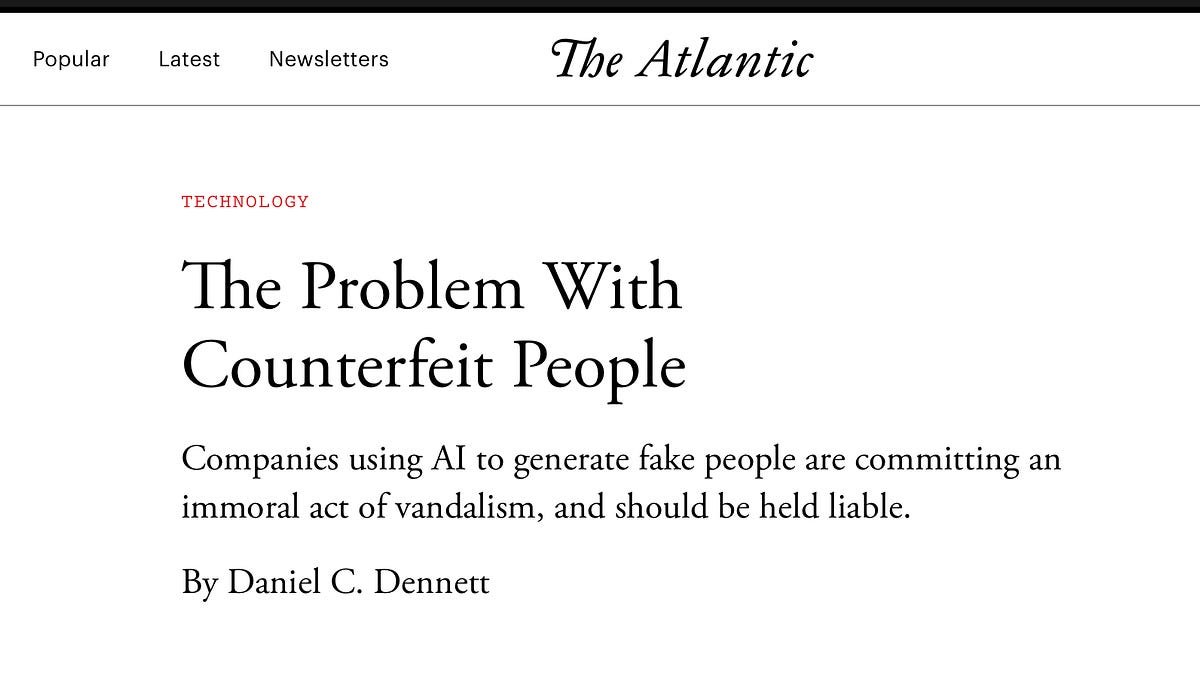
The featured image illustrates the growing concern about AI impersonation and the urgent need for regulatory action.
Comments
Please log in or register to join the discussion