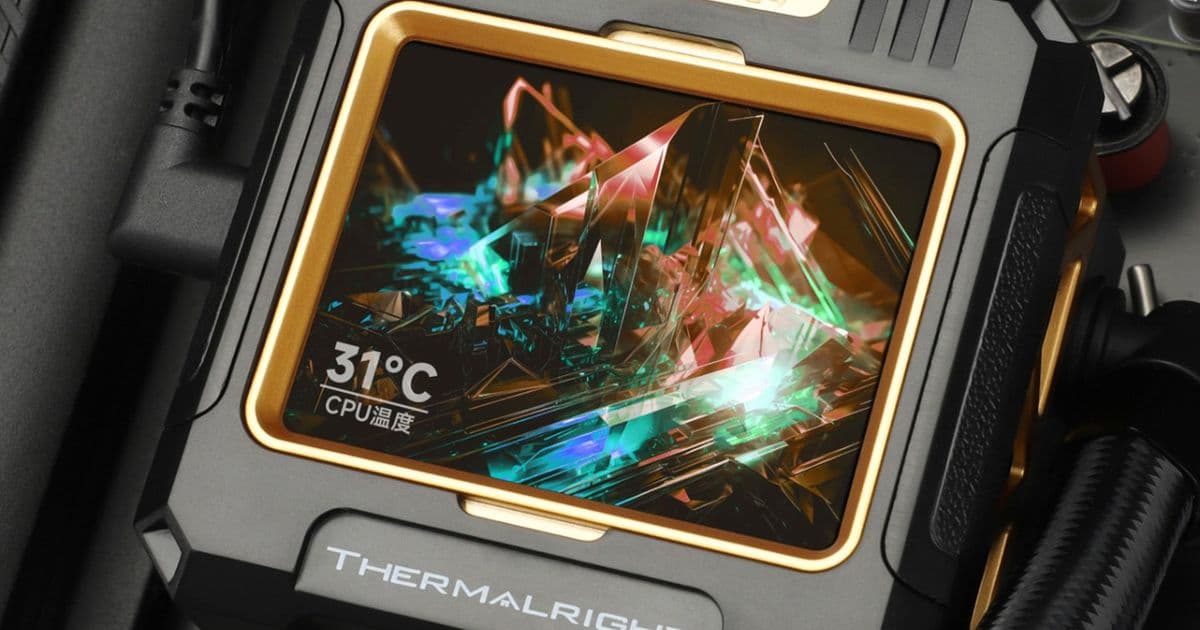
A Linux enthusiast has developed a full-featured port of Thermalright's control software enabling RGB and LCD customization for multiple cooler models without Windows dependencies.
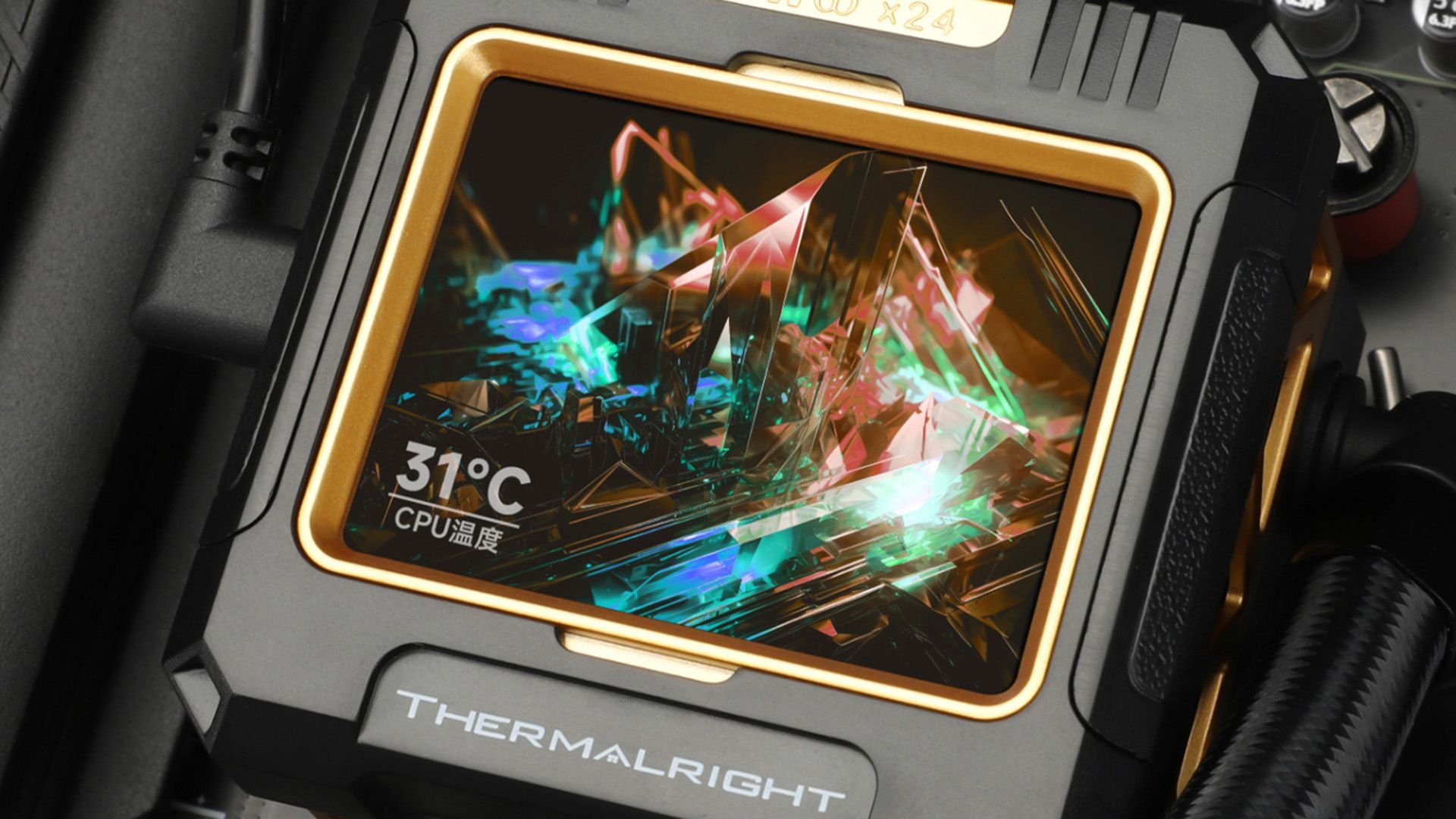
Linux users grappling with hardware control limitations have gained significant ground through a community-developed solution. An independent developer has successfully ported Thermalright's proprietary cooler control software to Linux, enabling full customization of RGB lighting and LCD displays across numerous Thermalright cooling products without requiring Windows for configuration.
The software port, available on GitHub, replicates the Windows application's functionality with pixel-perfect GUI accuracy. Key features include:
- Local theme management with cloud-based theme downloads
- Video/GIF playback on supported LCD displays
- Hardware monitoring overlays showing real-time CPU/GPU temperatures
- RGB lighting control synchronization
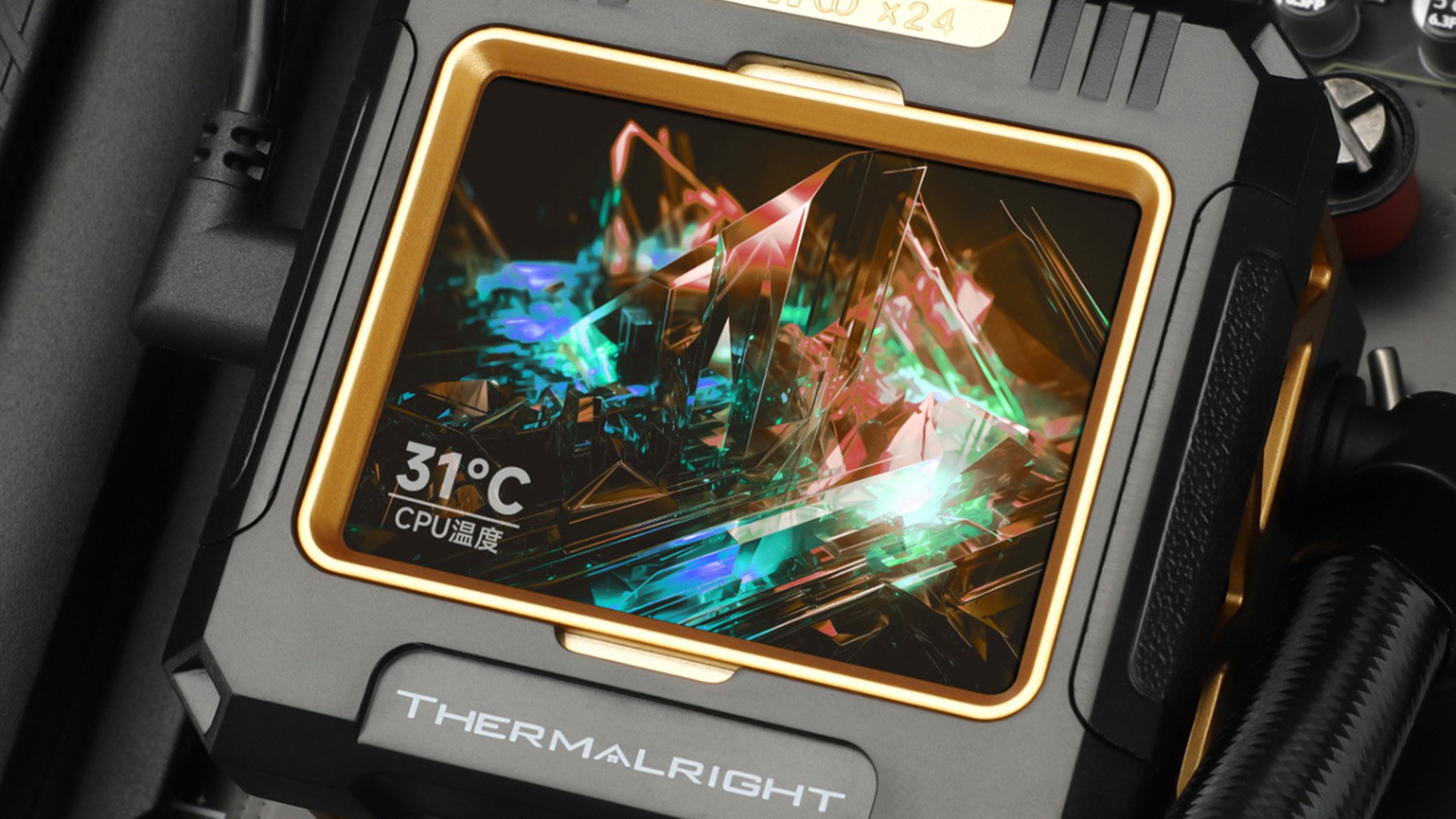
Supported devices span Thermalright's premium cooling lineup:
- Frozen Warframe/SE
- Frozen Vision V2/Core Vision/Elite Vision
- Frozen Horizon Pro/Magic Pro
- LC-series AIO pump heads (LC1/LC2/LC3/LC5)
- Digital air coolers (AK120, AX120, PA120 Digital)
- Wonder Vision CZTV
This development addresses a persistent gap in Linux hardware ecosystems. Component manufacturers typically prioritize Windows and macOS support, leaving Linux users dependent on workarounds. Industry data shows Linux holds approximately 2.7% desktop market share, explaining the commercial incentive gap. Community solutions like this Thermalright port and broader projects like OpenRGB (supporting over 130 manufacturers) fill critical functionality voids.
The port currently demonstrates stability on Fedora systems with expected compatibility across distributions. As an unofficial solution, potential bugs exist without manufacturer support. However, the elimination of dual-boot requirements for cooler configuration represents tangible progress in Linux hardware ecosystem maturity. Thermalright cooler owners can now directly manage thermal solutions within native Linux environments, reducing dependency on secondary operating systems for peripheral control.
Comments
Please log in or register to join the discussion