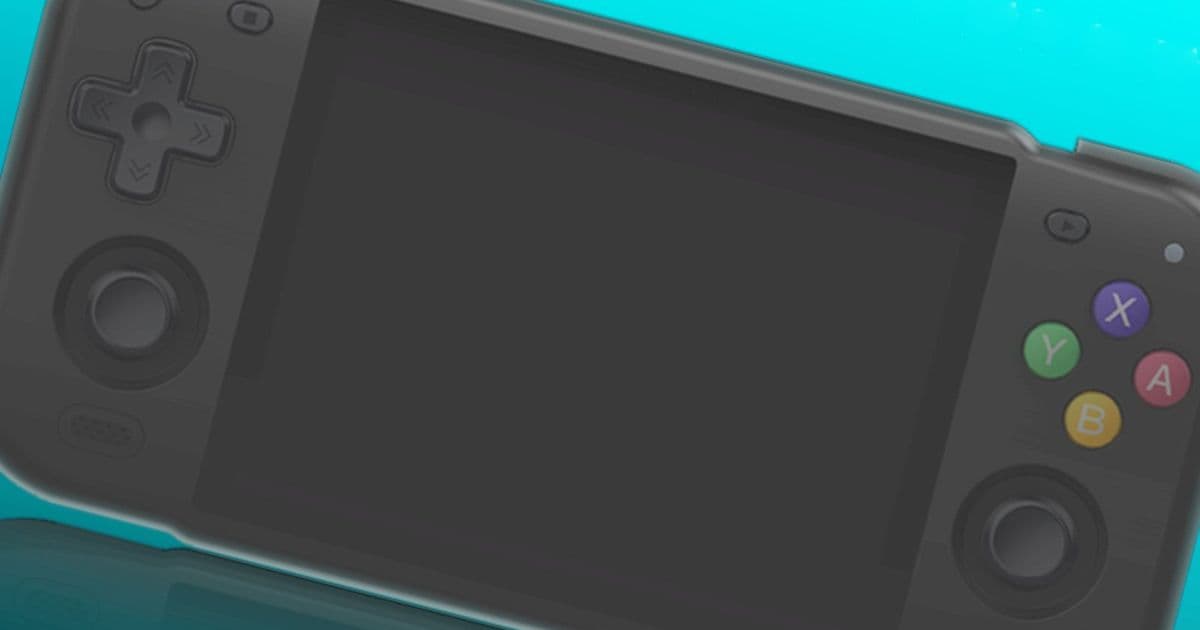
MagicX reveals pricing and specifications for its upcoming Two Dream Light and Two Dream Pro handhelds, positioning them as direct competitors to the popular Retroid Pocket 2S with competitive sub-$100 pricing.
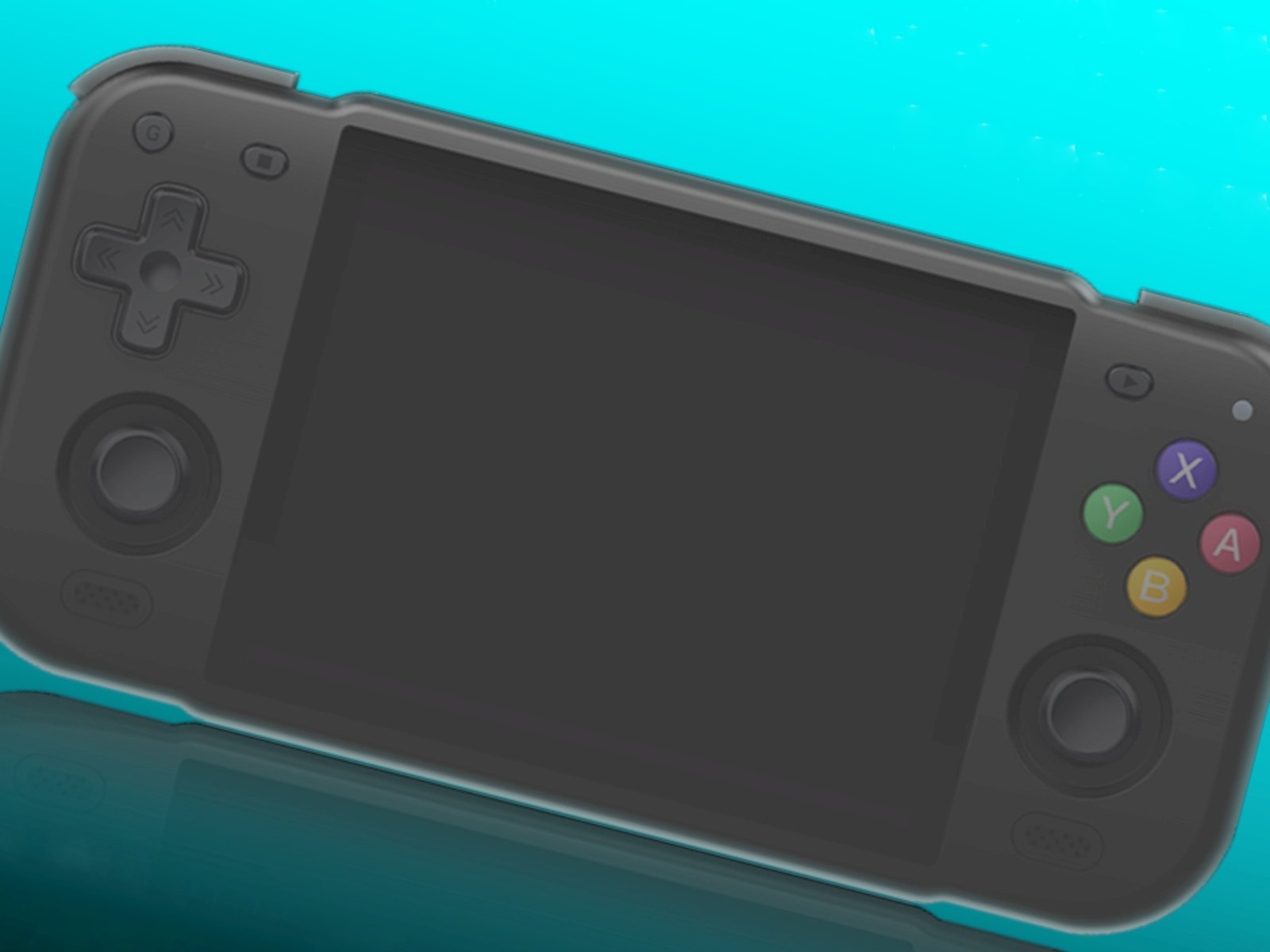
After months of silence while competitors like Anbernic and Ayaneo pushed new retro handhelds, MagicX has reemerged with details on two new devices poised to challenge the Retroid Pocket 2S dominance. The Chinese manufacturer unveiled specifications and aggressive pricing for its upcoming Two Dream Light and Two Dream Pro models, both featuring horizontal layouts and 4.5-inch displays that directly target the same retro gaming audience.
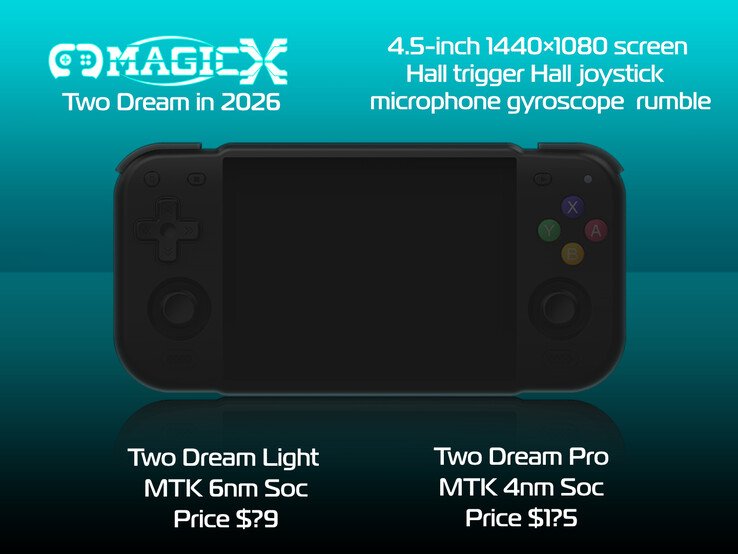
What sets these apart are their 4:3 aspect ratio screens running at an unusual 1440x1080 resolution – significantly sharper than the Retroid Pocket 2S's 750x1334 display. Both models include Hall effect joysticks for drift-free controls and plastic shells that should help maintain the sub-$100 price targets. The Light model is expected to ship with MediaTek's Dimensity 7050 chipset, while the Pro steps up to the Dimensity 7350. According to benchmark comparisons, the Pro's chipset delivers approximately 10% better performance than the Light's solution.
MagicX's pricing strategy appears deliberately disruptive: the Light targets a sub-$99 price point while the Pro aims for just slightly above that threshold. This positions both models as aggressive value propositions against the $99 Retroid Pocket 2S and other competitors in the budget retro handheld segment. Considering MagicX's previous One 35 model currently sells for $82 on Amazon, these new devices represent a meaningful performance upgrade at minimal price inflation.
Several questions remain unanswered, particularly regarding release timing and exact specifications. It's unclear whether these Two Dream models will arrive before MagicX's other planned devices like the One Retro 45 or Two DS 46 clamshell design. The company hasn't clarified RAM configurations, storage options, or battery capacities – critical factors for emulation performance and gameplay longevity.
For retro gaming enthusiasts, these devices warrant attention as potential Retroid Pocket 2S alternatives. The Light model could satisfy casual players focused on 16-bit and PlayStation 1 titles, while the Pro's extra horsepower might better handle PSP, Dreamcast, or lighter GameCube emulation. However, until review units surface, buyers should temper expectations regarding real-world performance and build quality compared to established competitors. MagicX's return signals intensified competition in the sub-$100 handheld market, potentially forcing broader price adjustments across the segment.
Comments
Please log in or register to join the discussion