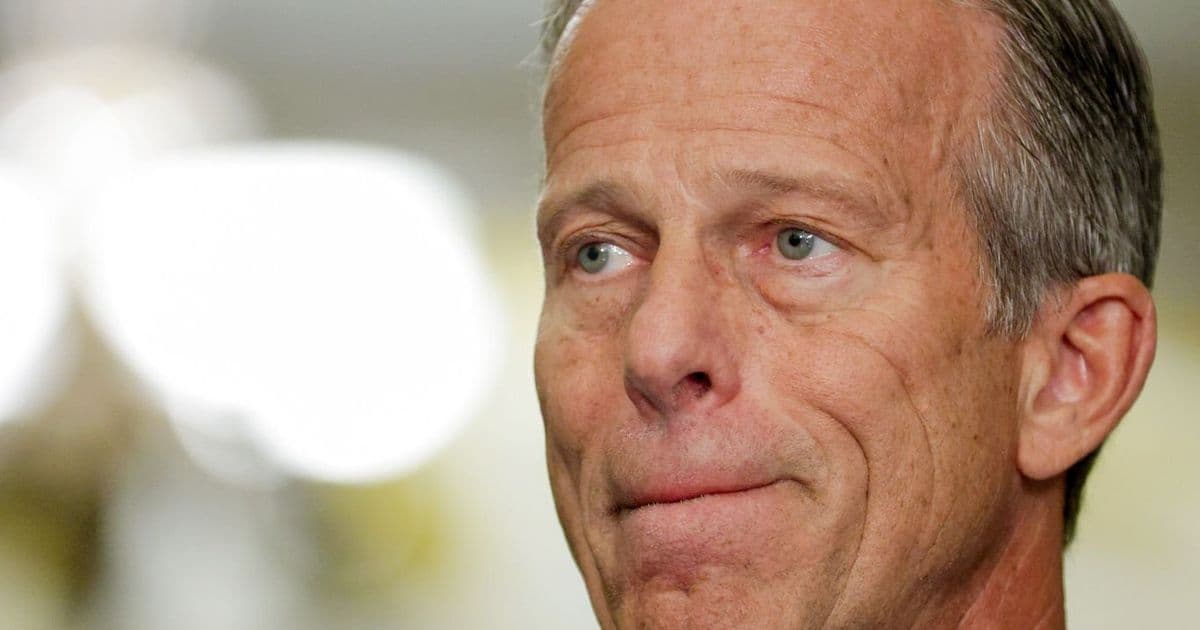
Senate Majority Leader John Thune outlines legislative priorities following Trump's executive action to restore TSA employee pay, signaling potential budget negotiations ahead.
Senate Majority Leader John Thune has outlined the next steps for Congress following President Trump's recent executive action to restore pay for Transportation Security Administration (TSA) employees. The move comes amid ongoing budget negotiations and workforce concerns across federal agencies.
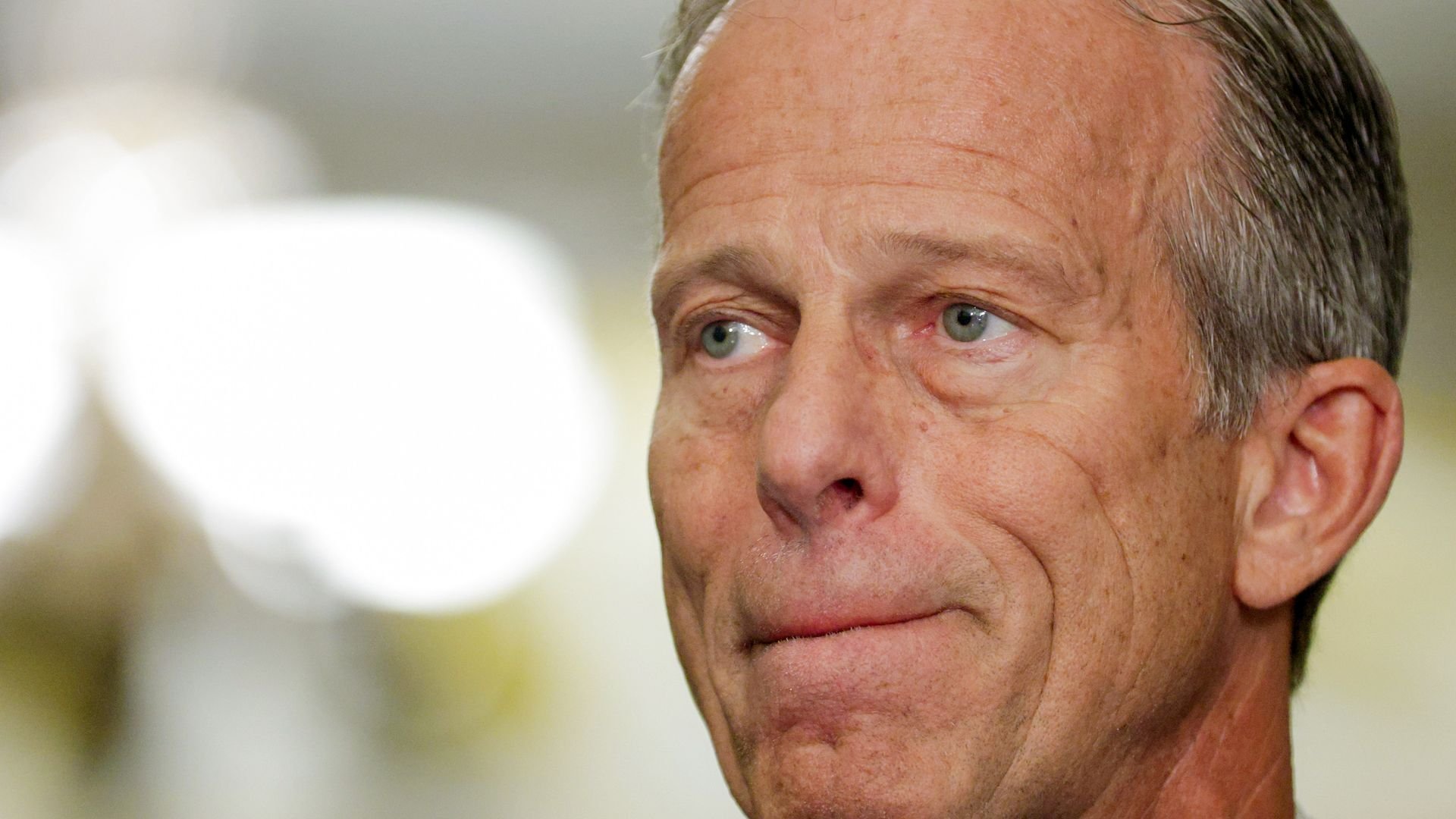
Thune, speaking from the Capitol, indicated that the restoration of TSA pay would be incorporated into broader budget discussions, suggesting that the executive action may serve as a starting point for negotiations rather than a final resolution. The Senate Majority Leader emphasized the need for comprehensive solutions that address not only TSA compensation but also broader federal workforce issues.
The timing of Trump's executive action appears strategic, coming as Congress prepares for intense budget negotiations. By taking unilateral action on TSA pay, the administration may be attempting to shape the legislative agenda and demonstrate responsiveness to federal employee concerns.
Thune's comments suggest that while the executive order provides immediate relief for TSA workers, the legislative process will determine the long-term funding structure and any additional workforce reforms. This approach allows Congress to maintain its constitutional role in appropriations while responding to executive priorities.
The development highlights the complex interplay between executive actions and legislative processes in federal workforce management. As budget negotiations continue, the TSA pay restoration could become a bargaining chip in discussions about broader federal spending priorities and workforce policies.
Comments
Please log in or register to join the discussion