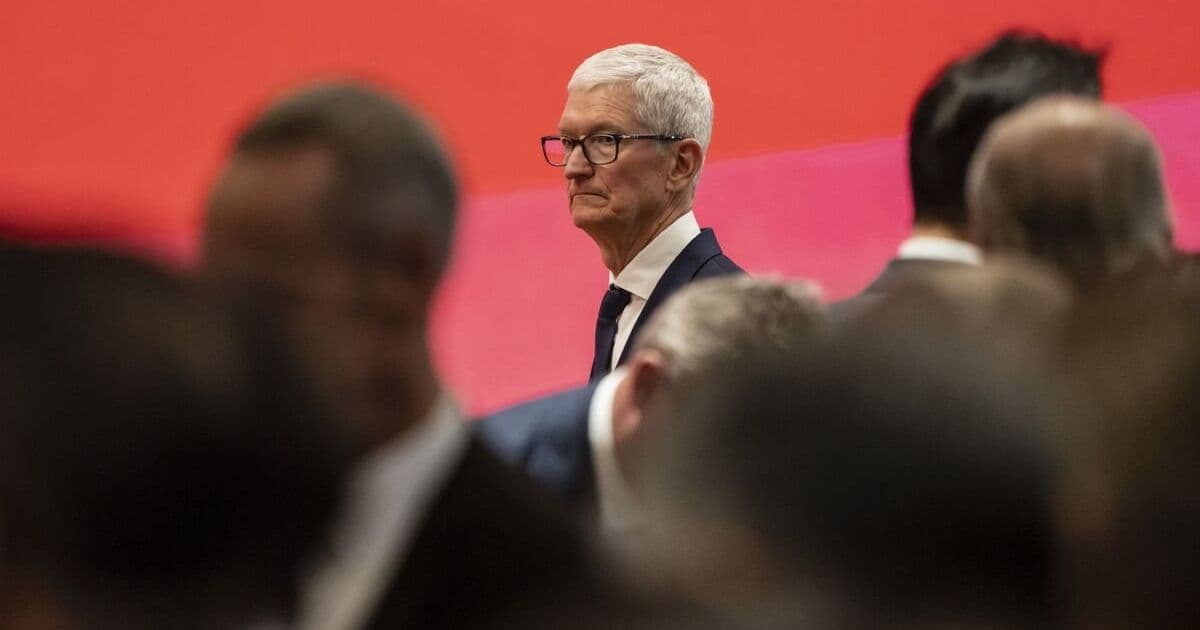
Apple CEO Tim Cook praised Chinese partners and developers at a Beijing forum, just one week after Chinese state media labeled the App Store "monopolistic."
Tim Cook's recent appearance at a Beijing forum has drawn attention for its timing and content, coming just one week after Chinese state media labeled Apple's App Store as "monopolistic." The Apple CEO used the platform to commend Chinese developers and the company's partners in the country, highlighting the delicate balance Apple maintains in its relationship with China.
Cook's praise for Chinese partners and developers comes at a sensitive moment for Apple, which has faced increasing scrutiny over its App Store practices globally. The Chinese state media's characterization of the App Store as monopolistic echoes similar criticisms Apple has faced in other markets, including the United States, where antitrust regulators have been examining the company's control over app distribution and payments.
The Beijing forum appearance represents Apple's continued efforts to maintain strong relationships with Chinese stakeholders, a market that has become increasingly important to the company's business. China accounts for a significant portion of Apple's manufacturing operations and consumer sales, making the company's diplomatic approach to the region particularly crucial.
Cook's comments about Chinese developers and partners likely serve multiple purposes: reinforcing Apple's commitment to the Chinese market, potentially deflecting criticism about App Store practices, and maintaining the goodwill necessary for Apple to continue operating effectively in one of its most important regions. The timing suggests Apple may be attempting to counterbalance negative press with positive messaging about its contributions to the Chinese tech ecosystem.
The contrast between Cook's praise and the recent monopolistic labeling highlights the complex dynamics at play as Apple navigates different regulatory environments across its global markets. While the company faces antitrust challenges in Western markets, it must also contend with state-controlled media narratives in China that could impact its operations and reputation.
This situation reflects broader tensions between major tech companies and governments worldwide, as regulators and media outlets increasingly scrutinize the market power of platform operators like Apple. The App Store controversy in China may be part of a larger pattern of governments seeking greater control over digital marketplaces and the companies that operate them.
For Apple, the challenge lies in maintaining its business model and platform control while addressing legitimate concerns about competition and market fairness. The company's approach in China, where it faces both commercial opportunities and political sensitivities, may provide insights into how it might navigate similar challenges in other markets.
The Beijing forum appearance and Cook's subsequent praise for Chinese partners demonstrate Apple's strategic communication efforts in response to criticism. By emphasizing its positive relationships and contributions to the Chinese tech ecosystem, Apple appears to be attempting to mitigate the impact of the monopolistic labeling while maintaining its position in a crucial market.
This incident also underscores the importance of timing in corporate communications, as Apple's decision to highlight its partnerships in China came at a moment when the company was facing renewed criticism about its market practices. The juxtaposition of praise and criticism illustrates the complex balancing act that multinational tech companies must perform in different regulatory and media environments.
As Apple continues to face scrutiny over its App Store practices globally, its approach to managing relationships with key markets like China will likely remain a critical factor in its long-term success. The company's ability to navigate these challenges while maintaining its business model and platform control will be closely watched by competitors, regulators, and industry observers alike.
The situation also raises questions about the future of app marketplaces and digital platforms more broadly, as governments worldwide grapple with how to regulate companies that have become essential infrastructure for digital commerce and communication. Apple's experience in China may offer lessons for other tech companies facing similar regulatory pressures in different markets.
Ultimately, Cook's Beijing appearance and the subsequent praise for Chinese partners represents just one chapter in the ongoing story of how tech giants adapt to changing regulatory landscapes and public perceptions of their market power. As this story continues to unfold, the balance between innovation, competition, and regulation in digital marketplaces will remain a central concern for companies, governments, and consumers alike.
Comments
Please log in or register to join the discussion