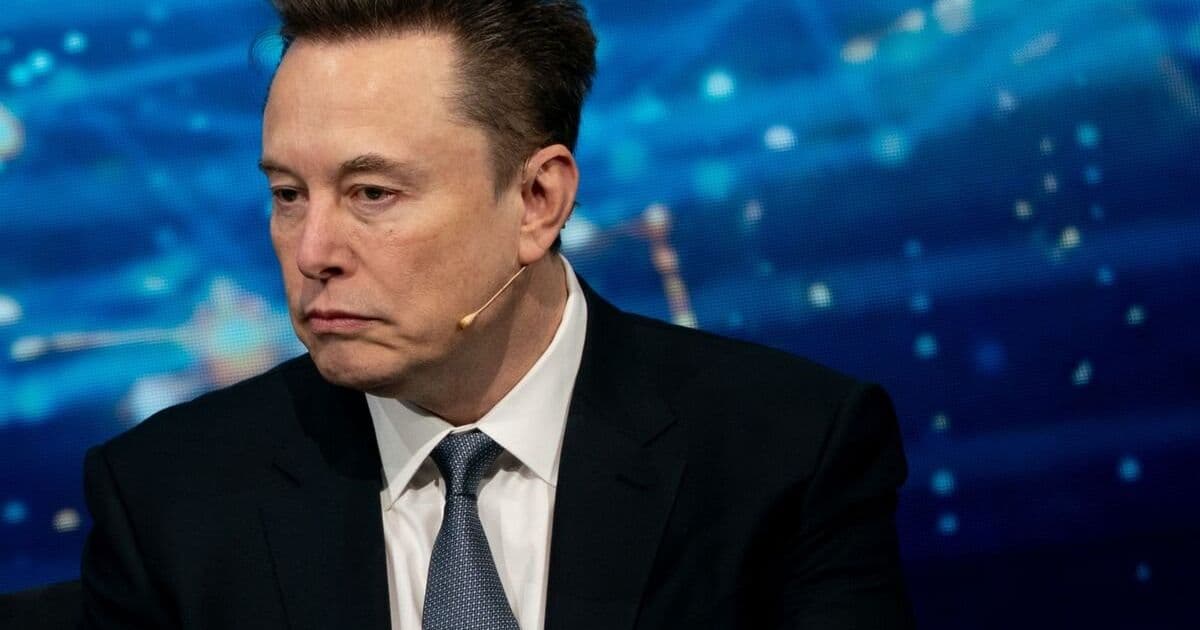
Elon Musk announces Terafab, a massive Austin-based chip manufacturing project by Tesla and SpaceX to produce AI, robotics, and space data center chips for Tesla, xAI, and SpaceX.
Elon Musk has unveiled plans for Terafab, a sprawling Austin-based chip manufacturing initiative run jointly by Tesla and SpaceX. The project aims to produce custom silicon for robotics, artificial intelligence, and space data center applications across Musk's three major companies: Tesla, xAI, and SpaceX.
What's Actually New
The announcement marks Musk's most ambitious move yet into semiconductor manufacturing. While Tesla has previously designed its own chips (like the FSD computer), and xAI has relied on third-party GPUs, Terafab represents a vertical integration play at an unprecedented scale. The facility would reportedly handle everything from chip design to fabrication, packaging, and testing.
The Strategic Logic
Musk's companies face unique computational demands:
- Tesla needs massive parallel processing for autonomous driving and robotaxi fleets
- xAI requires enormous GPU clusters for training frontier models
- SpaceX demands radiation-hardened chips for space applications
By bringing production in-house, Musk aims to reduce costs, improve performance, and ensure supply chain resilience. The Austin location leverages Texas's business-friendly environment and proximity to Tesla's Gigafactory.
Technical Challenges
Building a competitive fab is extraordinarily difficult. Industry leaders like TSMC and Samsung have spent decades and billions perfecting their processes. Terafab would need to achieve:
- Sub-5nm process nodes for competitive performance
- High yield rates (typically 90%+ for profitable operations)
- Massive capital investment (estimates range from $10-30 billion)
- Specialized equipment from companies like ASML
Market Context
This move comes as AI chip demand explodes. Nvidia's data center revenue hit $18.6 billion in Q4 2024, and the AI accelerator market is projected to reach $400 billion by 2027. However, established players have significant advantages in process technology, IP portfolios, and manufacturing expertise.
Limitations and Risks
Several factors could derail Terafab:
- Technical complexity: Semiconductor manufacturing requires extreme precision and cleanroom conditions
- Talent shortage: Finding experienced chip designers and process engineers is challenging
- Time to market: Building a competitive fab takes 3-5 years minimum
- Economic viability: High-volume production requires massive scale to be profitable
Industry Reaction
Analysts are skeptical but intrigued. "This is either brilliant vertical integration or a very expensive learning experience," noted one semiconductor industry veteran. The project's success would depend on achieving process node parity with TSMC and Samsung within a reasonable timeframe.
What Happens Next
If Terafab proceeds, we'd expect:
- Initial focus on specialized chips for Tesla's autonomous systems
- Gradual expansion into AI accelerator production
- Potential partnerships with established foundries for advanced nodes
- Possible spin-off as a separate semiconductor company
The announcement reflects Musk's pattern of pursuing ambitious, capital-intensive projects that conventional wisdom deems too risky. Whether Terafab becomes a competitive advantage or a costly distraction remains to be seen.
Comments
Please log in or register to join the discussion