Digital tools are transforming how we manage personal belongings, from vinyl collections to home warranties. This review dives into five standout apps—including AI-powered builders and self-hosted platforms—that offer robust, customizable solutions for developers and organized minds alike.
In an era of accumulating gadgets, collectibles, and household items, the chaos of physical clutter often mirrors digital disorganization. For developers and tech professionals, who prize efficiency in both code and life, home inventory apps aren't just convenience tools—they're data management systems for everyday existence. Jack Wallen's exploration on ZDNET spotlights five apps that turn the mundane task of cataloging possessions into a streamlined, tech-driven experience, blending user-friendly interfaces with under-the-hood sophistication.
The Rise of Digital Inventory Management
Gone are the days of spreadsheets and sticky notes. Modern inventory apps leverage cloud syncing, AI, and customizable databases to track everything from serial numbers to purchase histories. This isn't just about decluttering; it's about creating searchable, secure repositories for insurance claims, collections, or smart home integrations. As Wallen notes, "With an inventory app, you can keep track of anything: food, clothing, tools, games, technology... and so much more." For a technical audience, these tools echo principles of database design and UX—making them a natural extension of professional skills.
1. Airtable: AI-Powered Customization
 Airtable stands out by transforming vague organizational needs into functional databases using natural language AI. Describe your goal—like "track vinyl records with editable categories and room locations"—and the AI generates a tailored app in minutes. Wallen highlights its versatility: "It took me five minutes to build my app and start using it." However, specificity is key; vague prompts yield limited results. The free tier includes 500 monthly AI credits, with scalable pricing for heavy users. Ideal for developers, it bridges no-code accessibility with backend flexibility, running on MacOS, Windows, Android, iOS, and web.
Why it matters: Airtable exemplifies the democratization of database tools, allowing non-experts to create complex systems—a boon for prototyping or personal projects.
2. Under My Roof: Apple Ecosystem Excellence
Exclusive to MacOS and iOS, Under My Roof excels in depth, handling home specifics like warranty details, renovation records, and insurance data. Its polished UI simplifies input, while end-to-end encryption ensures privacy—no corporate data mining here. Priced at $34.99/year or $4.99/month after a 14-day trial, it's a premium choice for Apple loyalists who value integrated ecosystem security.
3. Find My Stuff: Android-Centric Flexibility
This app adopts a container-based approach, letting users group items by rooms or storage units before adding customizable fields like barcodes or prices. A one-time $14.99 fee unlocks advanced features like quantity thresholds, making it a cost-effective pick for Android users. Wallen praises its adaptability: "Once you know it, you'll find it to be an invaluable tool."
4. Sortly: Business-Grade for Personal Use
Initially targeting enterprises, Sortly offers a robust free tier for home users, with web and mobile access, folders, tags, and photo uploads. Its workflow capabilities (paid-only) hint at professional potential, but the interface remains intuitive. As Wallen advises, "For household inventory, I would not recommend paying for a plan," as the free version suffices for most personal needs.
5. Homebox: The Self-Hosted Champion
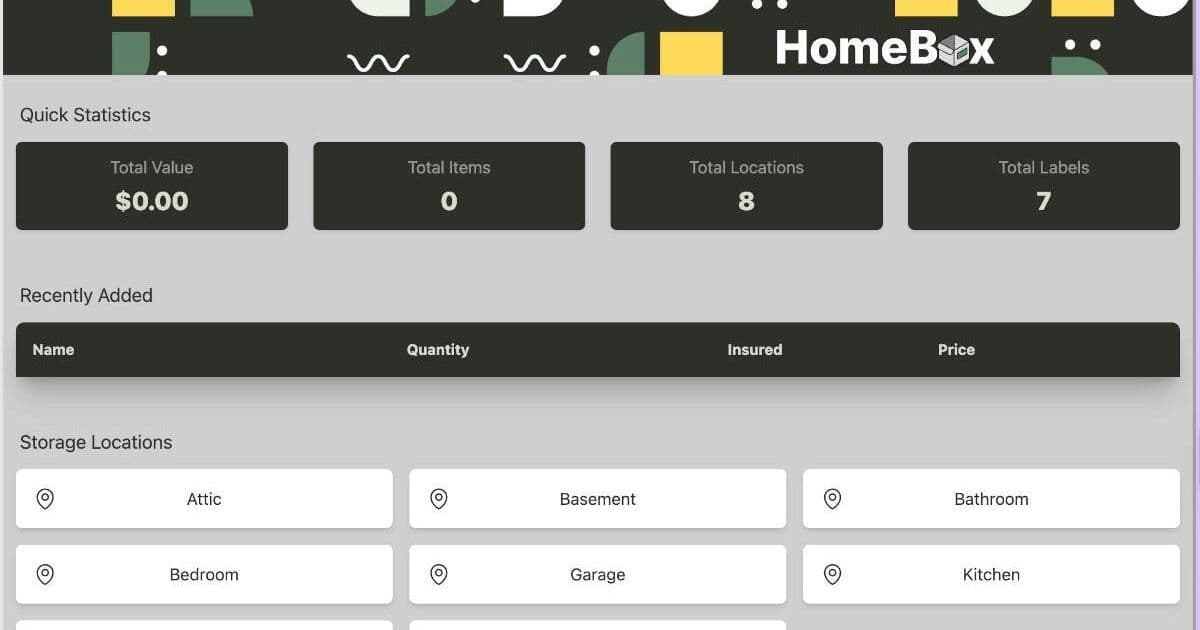
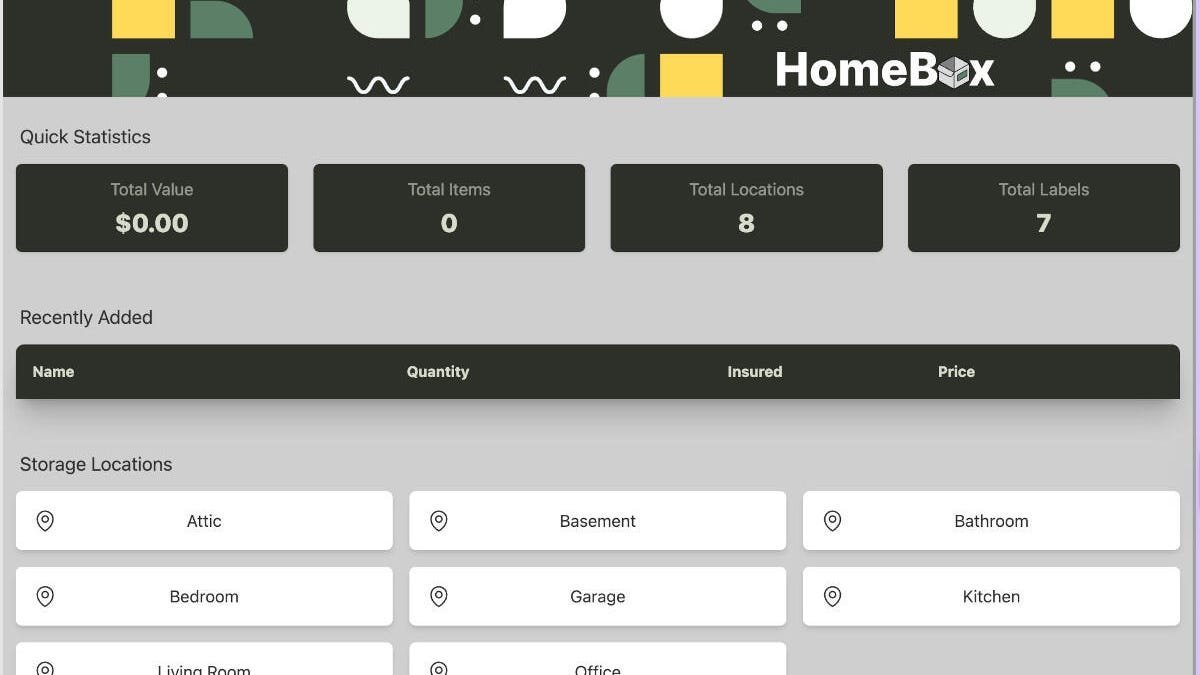
For privacy-focused techies, Homebox is a game-changer. This open-source, self-hosted app runs via containers, allowing full data control on your LAN. Pre-configured locations speed setup, and while mobile apps are absent, the web UI is sleek. Still in beta, it's free and ideal for tinkerers—Wallen calls it his favorite for its independence and custom labels. The caveat? It demands basic container knowledge, rewarding those who prioritize sovereignty over convenience.
The Bigger Picture: Why This Matters for Tech Pros
These apps reflect broader trends: AI's creep into daily tools, the appeal of self-hosted solutions amid data privacy concerns, and the blurring line between consumer and enterprise software. For developers, they offer sandboxes for exploring UI design or API integrations. As digital and physical worlds converge, mastering personal inventory isn't just neat—it's a microcosm of efficient data stewardship. Start small with a vinyl collection, and you might just architect a smarter home.
Source: ZDNET
Comments
Please log in or register to join the discussion