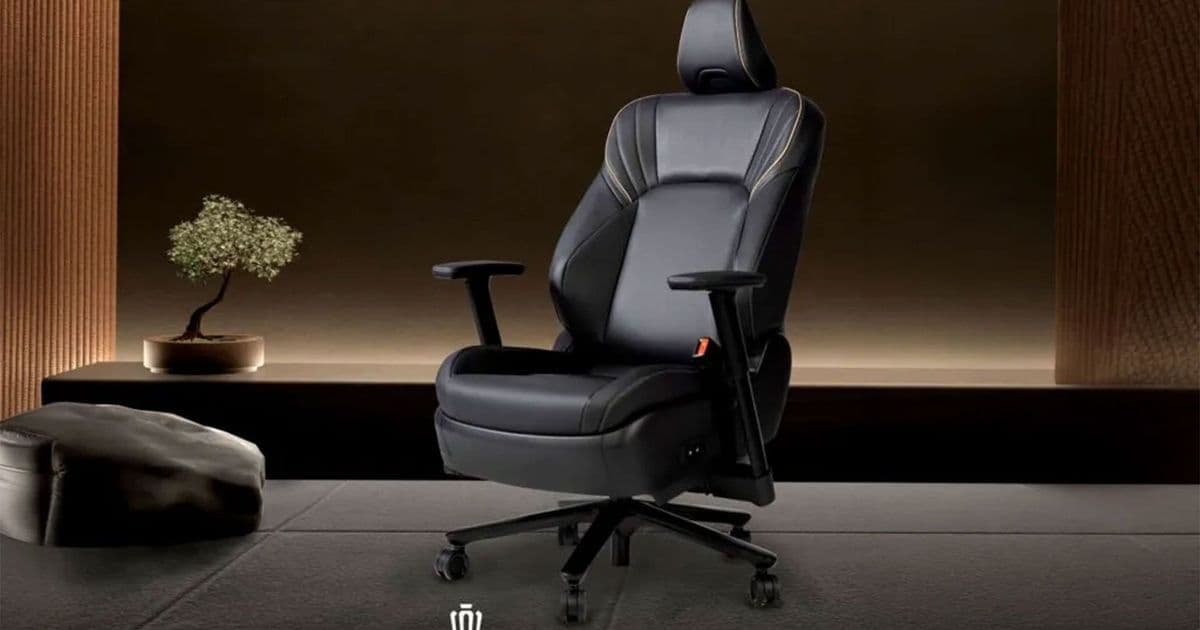
Toyota's seating division introduces a limited edition gaming chair based on the Crown sedan's front seat, featuring heating, cooling, and USB-C connectivity in a Japan-exclusive release commanding premium pricing.
Toyota Transforms Crown Car Seat into Premium $3,500 Gaming Chair with Automotive Comfort Features
Toyota's automotive seating division has ventured into the premium gaming chair market with the limited edition Crown Seat Desk Chair, a high-end peripheral that brings automotive comfort to computer workstations. Based on the front power seat from Toyota's flagship Crown sedan, this $3,500 chair represents an unusual convergence of automotive and computing hardware industries.
Automotive Engineering Meets Office Comfort
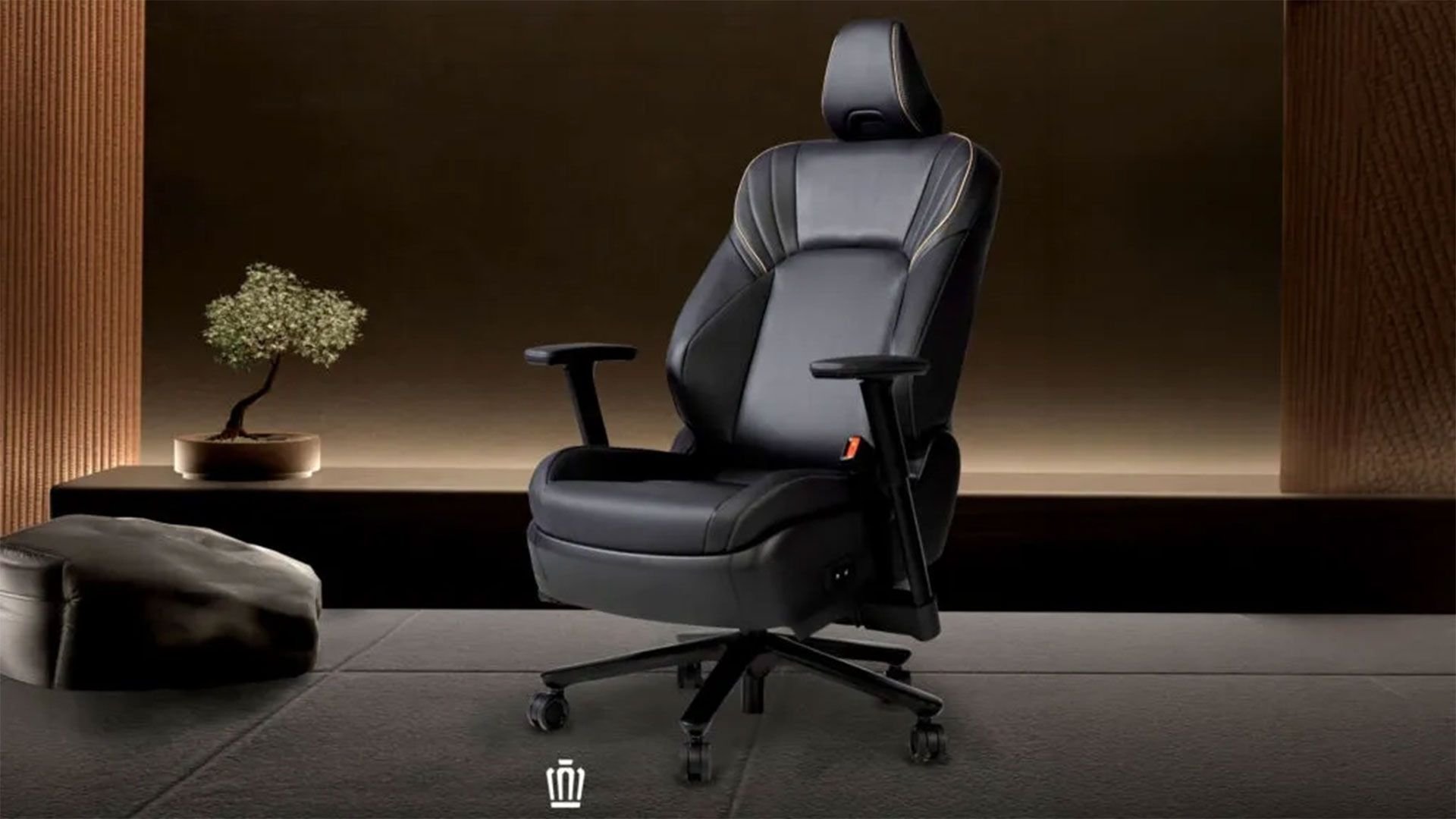
The Crown Seat Desk Chair originates from Toyota Boshoku, the automaker's specialized subsidiary focused on seating, interior components, and filtration systems. Rather than developing an entirely new product, the company leveraged existing automotive seating expertise by adapting one of Toyota's most comfortable in-car designs for office use.
This approach follows a pattern of automotive-to-office furniture crossover that includes Nissan's previous collaboration with Itoki to offer GT-R and Cube seats as computer peripherals, as well as German manufacturers like Porsche, BMW, Mercedes, and Recaro who have all produced office chairs inspired by their automotive counterparts.
Premium Features Command Premium Pricing
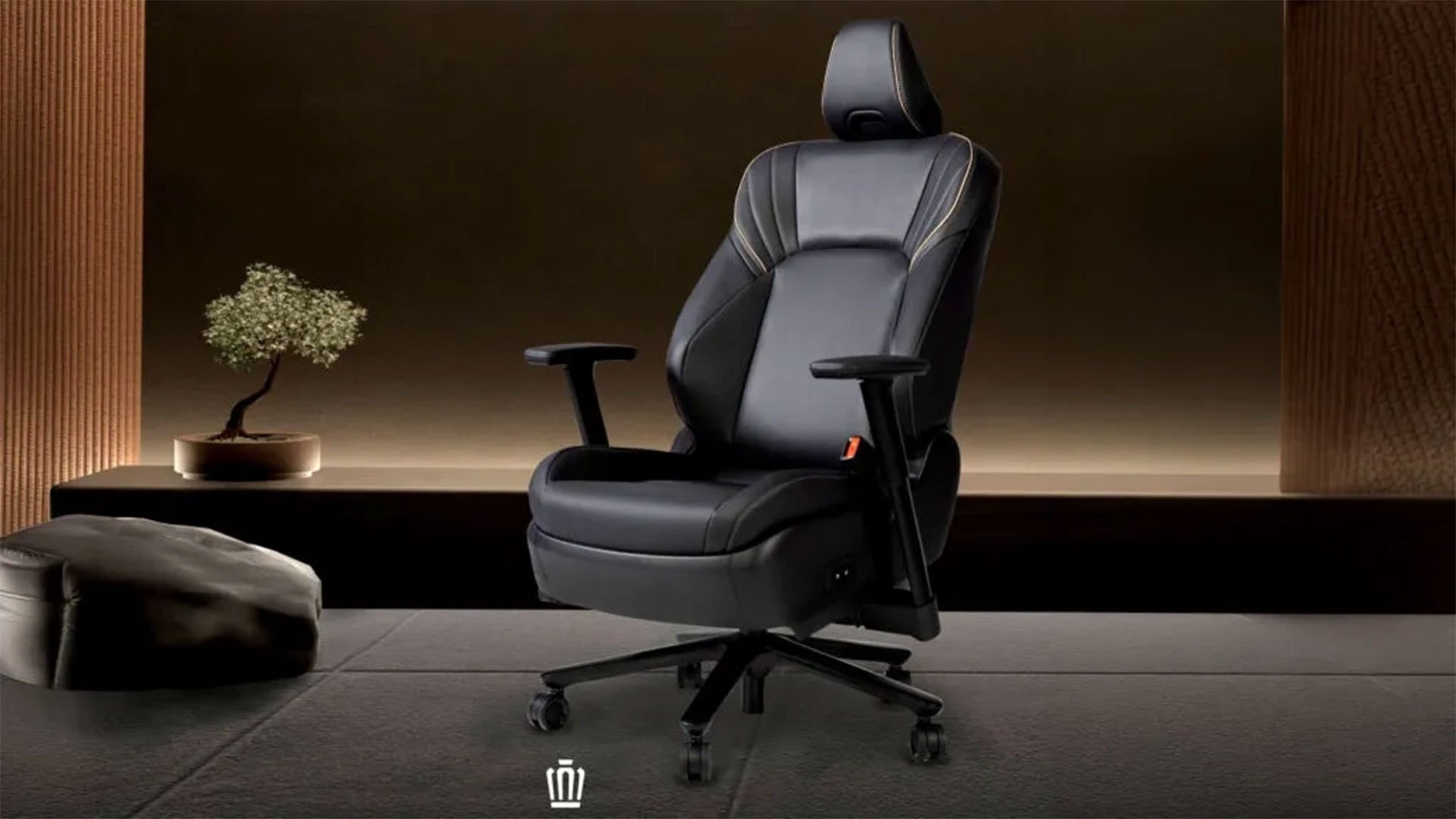
At $3,500, the Crown Seat Desk Chair positions itself firmly in the ultra-premium segment of the gaming chair market, which typically ranges from $150 to $500 for high-end models. The significant price premium reflects several automotive-grade features not commonly found in office chairs:
- Powered adjustment system: The chair offers electric control over recline angle, height, lumbar support, and tilt mechanisms, mirroring the adjustability found in the Crown sedan
- Thermal comfort: Three-level heating system warms the backrest and lower hip regions, complemented by a three-level ventilation system for cooling
- Untethered operation: A built-in rechargeable battery powers all electrical adjustments, heating, and cooling functions, allowing placement without proximity to power outlets
- Automotive materials: Construction utilizes automotive-grade leather over high-density cushioning with a reinforced frame
- Quiet operation: Electric motors are engineered for smooth, quiet adjustments—a critical feature for office environments where noise matters
The USB-C Seatbelt Buckle: Design Meets Function
Perhaps the most distinctive feature of the Crown Seat Desk Chair is the repurposed seatbelt buckle, which now houses a USB-C charging port. This design element maintains the chair's automotive heritage while adding practical functionality for users who need to charge devices while working.
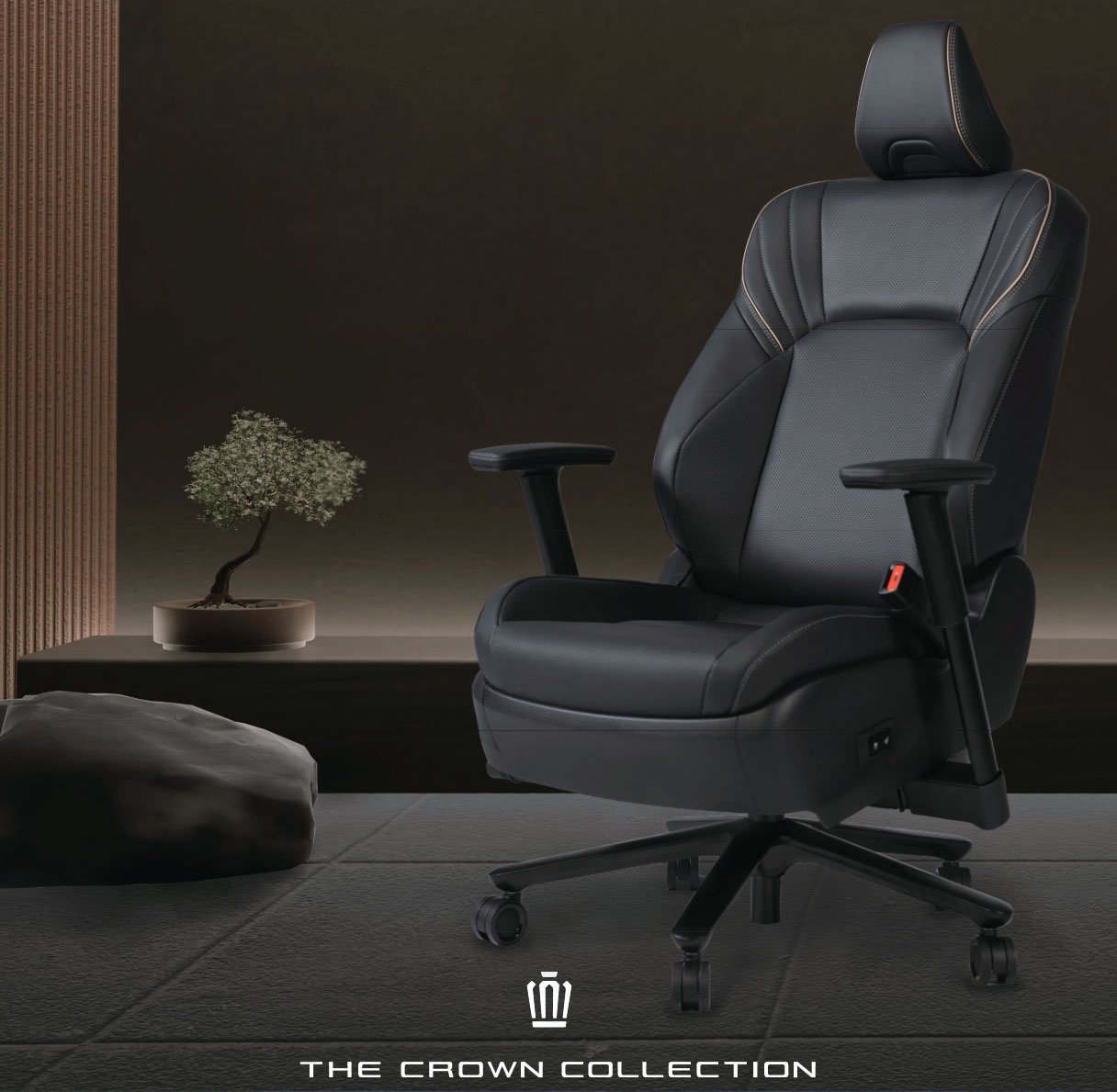
The dimensions of the chair (28-inch width, 42-inch height, maximum seat height of 29-inch, depth of 21-27 inches, and an 18-inch diameter base) suggest a substantial presence in any workspace, comparable to high-end gaming chairs but with more emphasis on ergonomic adjustment than aggressive styling.
Market Context and Implications
The limited production run of just 70 units, available exclusively in Japan, suggests this is more of a prestige product than a mass-market offering. The pricing places it far beyond conventional gaming chairs, even premium models from brands like Herman Miller or Secretlab that typically top out around $500-$800.
This release reflects several market trends:
- Convergence of automotive and computing: As people spend increasing time working from home, the boundary between automotive and office comfort continues to blur
- Premiumization of gaming peripherals: The gaming chair market has seen significant price increases, with manufacturers emphasizing materials, adjustability, and additional features
- Niche luxury positioning: By limiting availability and setting a high price point, Toyota positions this as a statement product rather than a volume seller
Industry Precedents and Future Potential
Toyota's entry into the gaming chair market follows established precedents from other automotive manufacturers. Nissan's earlier collaboration with Itoki demonstrated that car seats could successfully transition to office environments. Similarly, German luxury brands have long offered office chairs inspired by their automotive designs, though typically without direct use of automotive components.
The success of such products depends on whether consumers value automotive engineering in office furniture. For enthusiasts who spend significant time at their computers, the potential benefits include proven ergonomic designs and durable construction typically associated with automotive applications.
However, the premium pricing and limited availability suggest this release serves more as a brand statement than a serious market entry. For Toyota, it represents an opportunity to showcase their seating expertise outside of automotive applications while maintaining exclusivity that reinforces their premium positioning.
The question remains whether this represents a one-off experiment or the beginning of a broader strategy for Toyota Boshoku to enter the office furniture market. Given the increasing convergence of work, gaming, and entertainment spaces, automotive seating expertise could find new applications beyond traditional cars.
For consumers, the Crown Seat Desk Chair offers an intriguing proposition: automotive-grade comfort in a home office setting, though at a price that would outfit an entire workstation with premium components from multiple manufacturers.
This unusual crossover product highlights how boundaries between traditionally separate industries continue to blur as companies seek new markets and applications for their core technologies and design expertise.
Comments
Please log in or register to join the discussion