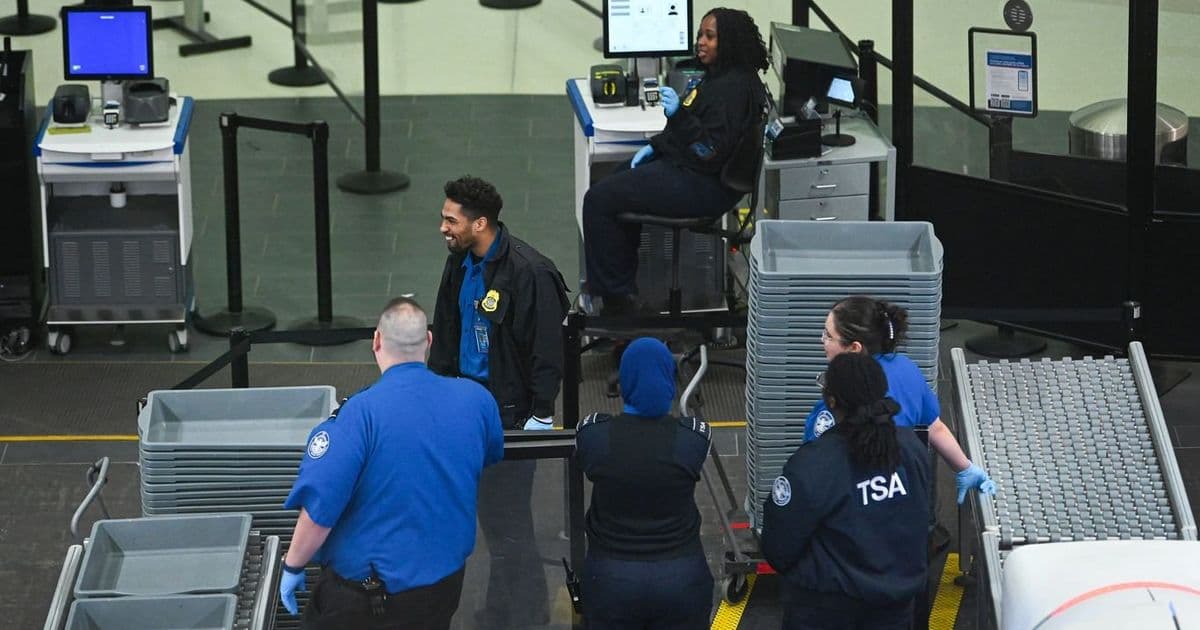
The Trump administration is taking unilateral action to guarantee Transportation Security Administration (TSA) workers receive their paychecks, circumventing the traditional congressional approval process.
The Trump administration is preparing to take extraordinary measures to ensure Transportation Security Administration (TSA) workers receive their paychecks, bypassing the traditional congressional approval process that typically governs federal employee compensation.
This move comes amid ongoing budget negotiations and potential government shutdown threats that have left many federal workers uncertain about their financial futures. The administration's decision to sidestep Congress represents a significant shift in how executive branch agencies handle personnel matters during fiscal uncertainty.
Background on TSA Operations
The Transportation Security Administration plays a critical role in maintaining airport security across the United States. With approximately 60,000 employees nationwide, TSA workers are considered essential personnel who continue working even during government shutdowns. However, without congressional appropriation, these workers have historically faced delayed or uncertain pay.
Executive Action Details
While specific implementation details remain unclear, administration officials indicate the plan involves redirecting existing funds or utilizing emergency authorities to maintain TSA payroll continuity. This approach would allow the agency to continue normal operations without interruption, ensuring airport security screening and passenger processing remain unaffected.
The decision reflects growing concerns about the economic impact of federal worker pay uncertainty, particularly as summer travel season approaches. Industry analysts estimate that any disruption to TSA operations could cause significant delays and economic losses across the transportation sector.
Congressional Response
Lawmakers from both parties have expressed mixed reactions to the administration's unilateral approach. Some Republican members support the move as necessary to maintain essential services, while Democratic leaders criticize it as executive overreach that undermines congressional budget authority.
"This sets a dangerous precedent," said Representative Sarah Martinez (D-CA). "The Constitution grants Congress the power of the purse, and this action effectively nullifies that authority."
Financial Implications
The cost of maintaining TSA payroll during this period is estimated at approximately $400 million per month. Administration officials claim they have identified sufficient funds within existing agency budgets to cover these expenses without requiring additional congressional appropriation.
Industry Impact
Airport operators and airlines have welcomed the news, noting that TSA worker pay uncertainty had already begun affecting recruitment and retention efforts. The aviation industry continues to recover from pandemic-related disruptions, and any additional operational challenges could further delay full recovery.
Legal Considerations
Constitutional scholars are divided on the legality of the administration's approach. While executive agencies have some emergency powers, the extent to which they can unilaterally authorize payroll expenditures remains legally ambiguous.
What This Means for Federal Workers
For TSA employees, the administration's action provides immediate financial security and operational stability. However, it raises questions about the long-term implications for federal worker compensation and the balance of power between executive and legislative branches.
Looking Ahead
The administration's decision may influence how future budget impasses are handled, potentially establishing new precedents for executive action during fiscal uncertainty. As the situation develops, both legal challenges and legislative responses seem likely.
The move underscores the complex interplay between national security requirements, federal worker rights, and constitutional governance that continues to shape American political and economic landscapes.
Comments
Please log in or register to join the discussion