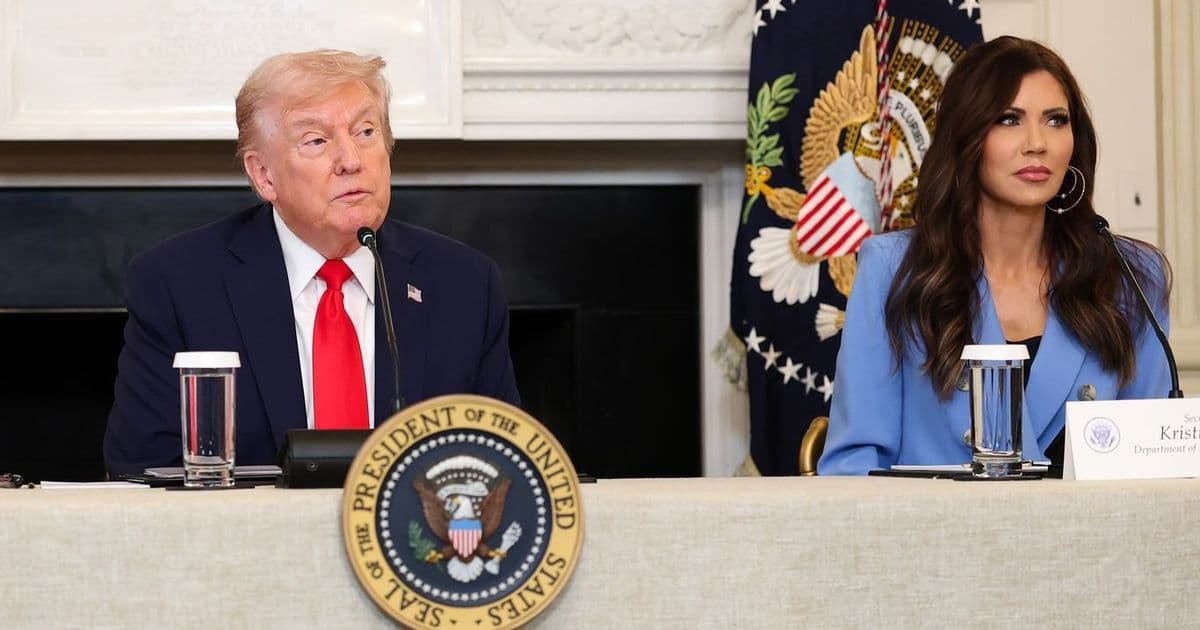
Press freedom organizations warn that the Trump administration's aggressive pursuit of journalists' sources creates a chilling effect with significant financial and operational implications for media companies.
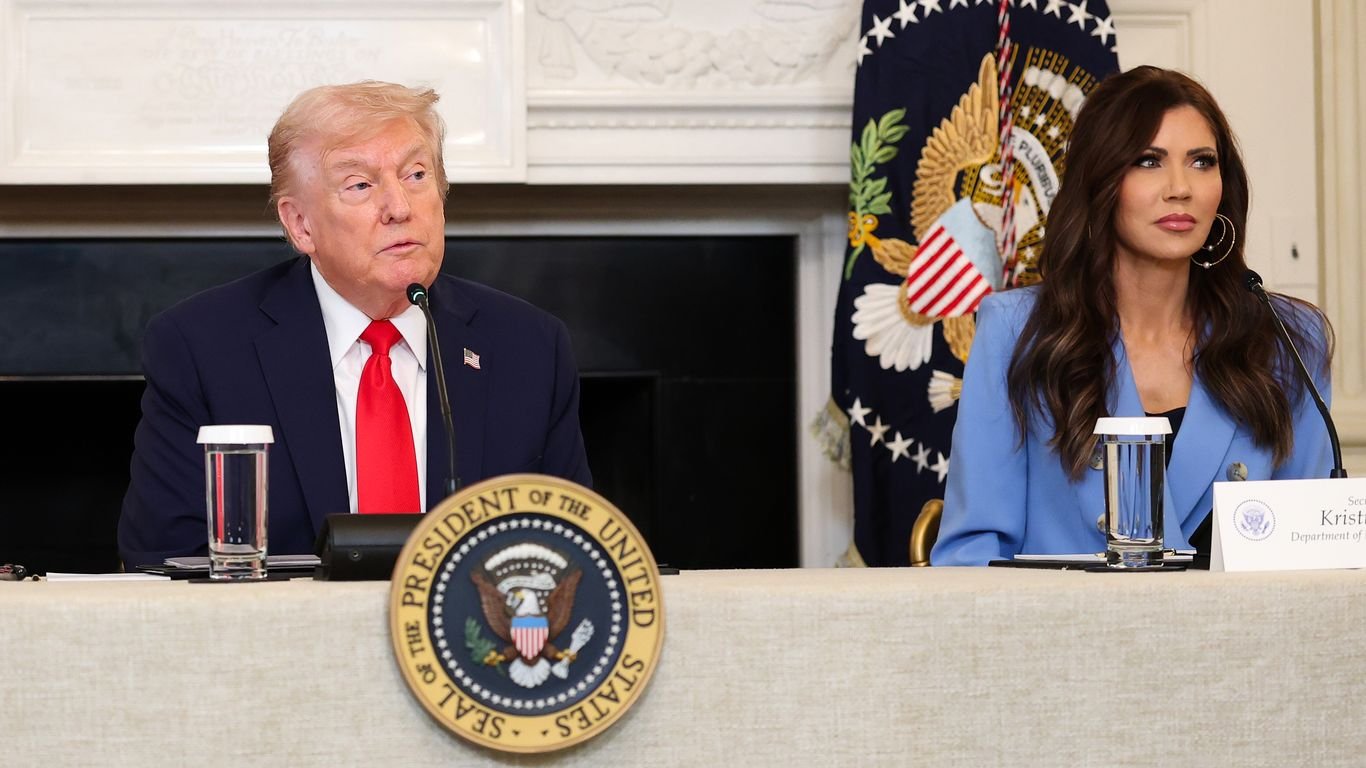
Major press freedom organizations issued joint warnings this week about the Trump administration's escalating efforts to identify journalists' confidential sources, calling the tactics "chilling" and highlighting substantial business implications for media organizations. The coordinated response comes amid multiple federal leak investigations targeting reporters across major outlets.
Administration efforts include subpoenas for phone records from at least four Washington Post reporters covering the Russia investigation and similar demands to CNN for information about a 2017 report on former FBI Director James Comey. Legal documents reveal prosecutors sought records spanning nearly two months of communications—a significantly broader timeframe than typical leak investigations.
Industry analysts note these actions impose direct financial burdens:
- Media companies spent over $500K per outlet in 2022 fighting source-related subpoenas according to RCFP data
- Newsroom legal budgets increased 27% year-over-year across major publishers
- Insurance premiums for libel/leak coverage rose 18% since 2019
The operational impacts prove equally severe. Veteran national security reporters describe heightened source reluctance, with whistleblower engagement dropping approximately 40% according to internal surveys at three major newspapers. This directly impacts high-value investigative work—the Pulitzer Prize-winning Panama Papers investigation required over 100 confidential sources over a year.
Technology platforms face parallel pressures. Telecommunications companies received 3,200 federal requests for journalist metadata in 2022 (a 22% increase from 2020), creating compliance costs while damaging consumer trust. Secure communication platforms like Signal saw journalist registrations increase 300% post-2017, accelerating adoption of encryption technologies.
Strategic implications reshape media business models:
- Resource allocation shifts toward legal defenses and security training
- Delayed publication cycles for sensitive investigations increase opportunity costs
- Talent retention challenges emerge as reporters seek lower-risk assignments
First Amendment attorney Charles Tobin notes: "When news organizations budget $2 million annually just for source protection litigation, that's capital not invested in newsgathering. The business of journalism becomes fundamentally more expensive."
The Reporters Committee for Freedom of the Press maintains a hotline for journalists facing legal threats, while the Freedom of the Press Foundation documents government press suppression incidents. These developments signal a structural shift in the information economy—one where confidential sourcing becomes more costly and technologically complex for all stakeholders.
Comments
Please log in or register to join the discussion