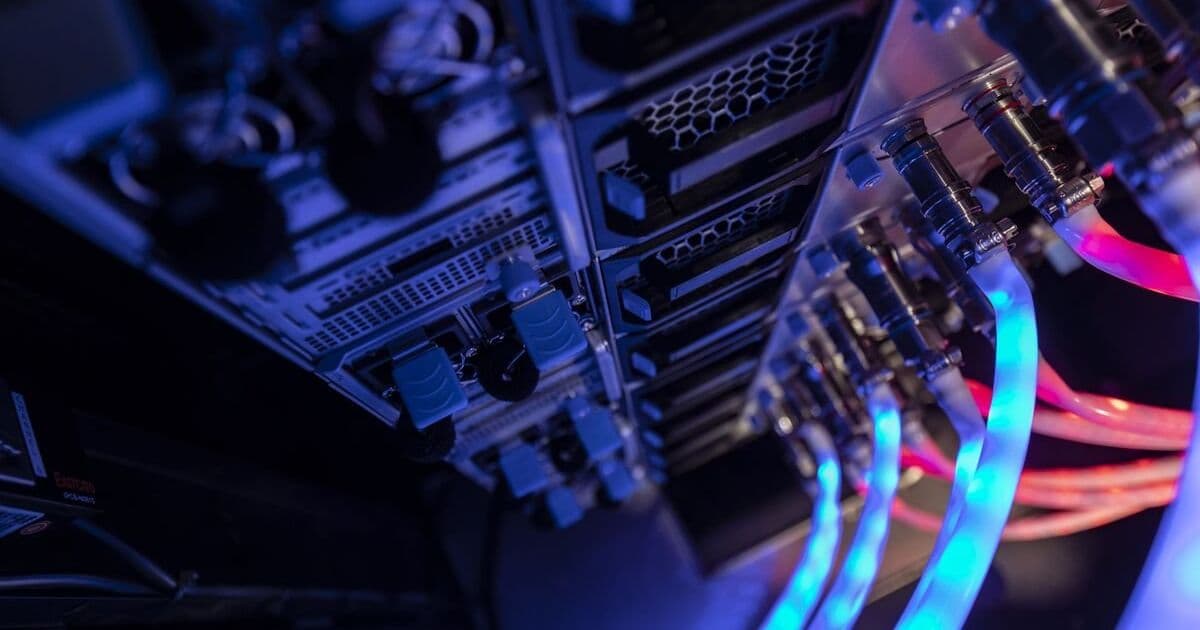
Alphabet, Amazon, Meta, and Microsoft project combined capital expenditures nearing $650 billion in 2026—a 60% year-over-year jump—fueled by aggressive data center expansion for AI and cloud infrastructure.
The scale of investment required to power the AI revolution is coming into sharp focus. Alphabet, Amazon, Meta, and Microsoft have collectively forecast capital expenditures reaching approximately $650 billion in 2026, representing a staggering 60% year-over-year increase according to Bloomberg. This unprecedented spending surge underscores the infrastructure arms race triggered by generative AI's computational demands, primarily earmarked for constructing hyperscale data centers globally.
Drivers Behind the Spending Spree
Amazon's projection exemplifies the trend. The company announced plans to spend $200 billion on capex in 2026, significantly exceeding analyst estimates of $146.6 billion and up from $131 billion in 2025. This aligns with AWS revenue growth of 24% year-over-year to $35.6 billion in Q4, beating expectations. CEO Andy Jassy explicitly linked the spending to "meeting the capacity requirements, particularly related to generative AI" during the earnings call. Microsoft and Alphabet are similarly allocating vast resources to expand Azure and Google Cloud infrastructure, while Meta continues investing heavily in its AI research and metaverse computing backbone. The common denominator: building the physical factories for artificial intelligence.
Market Reactions and Counterbalancing Concerns
Despite bullish spending forecasts, investors signaled unease. Amazon shares dropped over 10% in after-hours trading following its Q4 report, reflecting concerns about profit margins despite revenue growth. This reaction highlights a critical tension: while companies bet heavily on AI-driven future revenue, the near-term financial burden is immense. Critics point to several risks:
- Overcapacity and ROI Uncertainty: The breakneck pace of construction risks creating excess data center capacity if AI adoption plateaus or fails to monetize as expected. Morgan Stanley analysts noted potential "digestion periods" where spending outpaces demand.
- Environmental and Resource Strains: Data centers consume massive amounts of electricity and water. The $650 billion buildout intensifies pressure on power grids and local resources, raising sustainability questions. Some regions, like Ireland, have already imposed temporary moratoriums on new data centers due to grid constraints.
- Geopolitical and Supply Chain Vulnerabilities: Reliance on advanced chips (primarily from TSMC and Nvidia) and scarce components like high-bandwidth memory creates bottlenecks. Recent reports indicate Nvidia is delaying its consumer GPU refresh due to memory shortages, diverting resources toward AI chips.
Broader Industry Implications
This spending tidal wave reshapes the tech landscape:
- Cloud Dominance Consolidates: The scale required locks in the advantage of incumbent hyperscalers. Smaller players face insurmountable barriers to entry in the AI infrastructure layer.
- Hardware and Chip Demand Soars: Companies like Nvidia, Broadcom, and infrastructure suppliers see sustained demand. TSMC confirmed it will produce more advanced 3nm chips at its upcoming Japan facility to meet demand.
- Innovation Shifts: R&D focus pivots toward efficiency—novel cooling solutions, modular data center designs, and custom AI accelerators—to manage costs. Projects like Microsoft's underwater data centers gain relevance.
The $650 billion figure isn't merely a budget line; it's a statement about the perceived endgame. Tech giants are betting that controlling the physical infrastructure for AI is as crucial as developing the algorithms themselves. Whether this leads to transformative productivity gains or a costly overbuild remains the industry's defining question for the decade.
Comments
Please log in or register to join the discussion