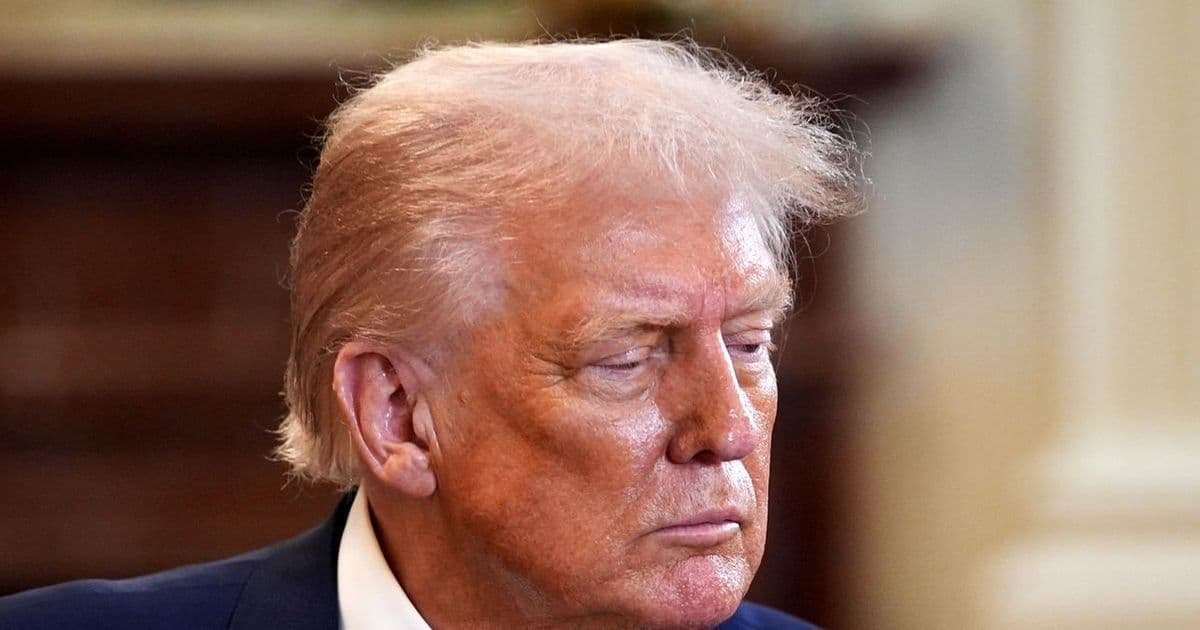
President Trump has declared a hands-off approach to AI regulation, rejecting demands for tech firms to pay for copyrighted material used in training models while pushing an anti-'woke' agenda. The administration's new AI Action Plan prioritizes deregulation to outpace China, ignoring intellectual property concerns in favor of innovation.
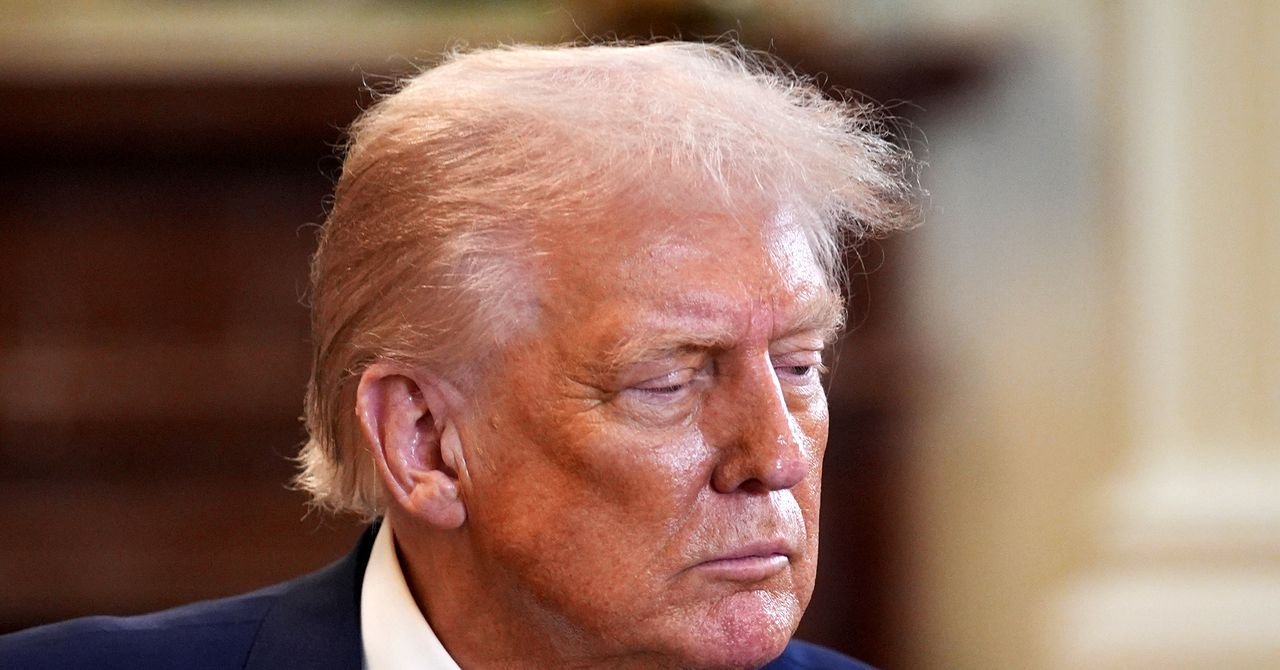
In a keynote speech at a summit hosted by the All-In Podcast and the Hill & Valley Forum, President Trump laid out a contentious vision for U.S. artificial intelligence policy, directly challenging ongoing legal battles over copyrighted training data. "You can't be expected to have a successful AI program when every single article, book or anything else that you've read or studied, you're supposed to pay for," Trump asserted. "We appreciate that, but just can't do it—because it's not doable." This stance, emphasizing what he called a "common sense application" of intellectual property law, signals a seismic shift from proposals like the recent bill by Senators Josh Hawley and Richard Blumenthal, which sought to require AI companies to obtain permission for using copyrighted works.
The remarks arrive amid a surge in lawsuits from publishers, artists, and media giants against AI firms for scraping content without compensation. Trump's position could embolden companies developing frontier models, freeing them from potential financial burdens—but it risks deepening rifts with creative industries. As one tech policy analyst noted, "This isn't just about copyright; it's about whether innovation trumps ownership in the data-hungry world of AI."
Doubling Down on Anti-'Woke' AI
Trump didn't stop at copyright. He weaponized cultural rhetoric, vowing, "We are getting rid of woke. The American people do not want woke Marxist lunacy in the AI models." This aligns with the administration's 28-page AI Action Plan, released earlier the same day, which explicitly ties federal contracts to ideological compliance. The plan recommends updating procurement guidelines to favor AI systems that are "objective and free from top-down ideological bias." Critics argue this vague language could stifle efforts to mitigate algorithmic biases in areas like hiring or law enforcement, prioritizing political dogma over ethical AI development.
The AI Action Plan: Deregulation at All Costs
Crafted under the influence of White House AI and crypto czar David Sacks—a cohost of the All-In Podcast—the plan outlines over 90 recommendations aimed at ensuring U.S. dominance in the "AI race" against China. Key proposals include:
- Rolling back Biden-era regulations, such as reviewing FTC investigations to prevent "theories of liability that unduly burden AI innovation."
- Blocking state-level AI laws by withholding federal funding from jurisdictions enacting "burdensome" legislation, a move following the failure of a federal "AI moratorium" bill last month.
- Accelerating industry growth by declaring that "AI is far too important to smother in bureaucracy," effectively sidelining discussions on copyright and ethical guardrails.
Notably, the plan omits any mention of intellectual property, underscoring Trump's speech as the administration's de facto policy. This deregulatory fervor could accelerate AI deployment but may leave developers navigating a fragmented legal landscape as copyright disputes escalate in courts.
Why This Matters for Tech Leaders
For developers and AI engineers, this policy pivot offers both opportunities and pitfalls. On one hand, reduced red tape could fuel rapid experimentation with large language models. On the other, the disregard for copyright may heighten legal uncertainties, forcing teams to reassess data-sourcing strategies. Meanwhile, the anti-bias mandate could complicate AI audits, as "objectivity" remains undefined. As the administration frames AI as a geopolitical battleground, the real battle may be balancing innovation with the societal risks of unchecked, ideologically driven technology. In this high-stakes game, the winners won't just be those who build the smartest models—but those who navigate the fallout when common sense collides with complexity.
Source: Wired
Comments
Please log in or register to join the discussion