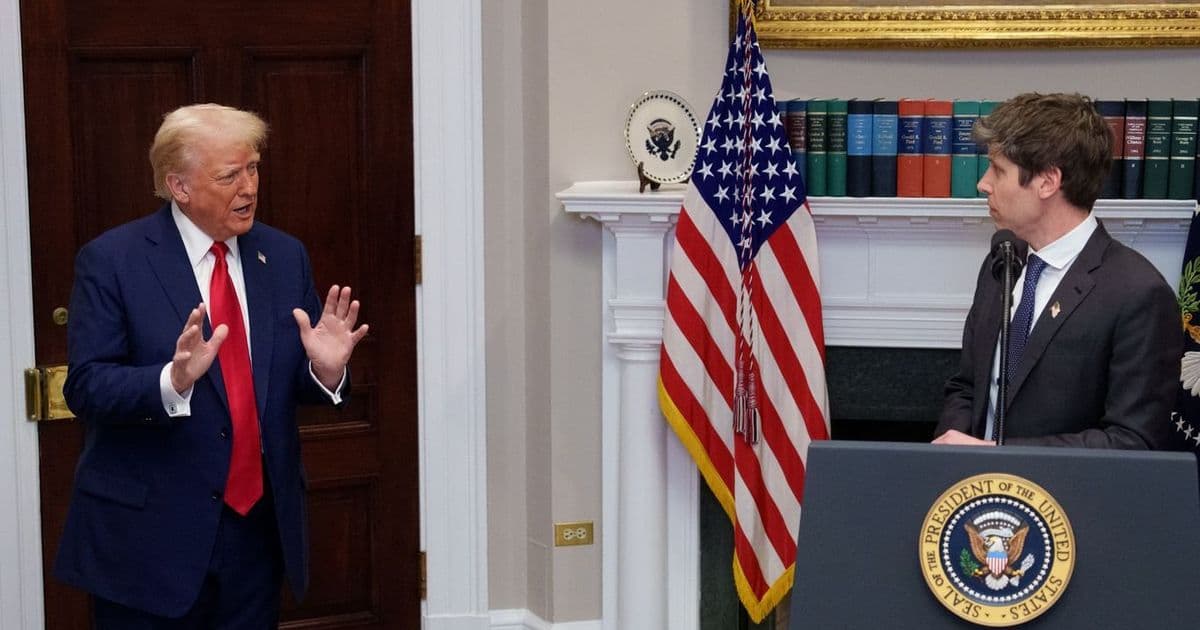
President Trump's new executive order creates a mandatory reporting and evaluation system for advanced AI models, requiring companies to provide early government access to systems that exceed specific computational thresholds, marking a significant shift in U.S. AI governance approach.
The Trump administration has issued a sweeping executive order establishing a framework for early government access to advanced artificial intelligence models, signaling a more assertive federal role in overseeing AI development. The order, signed Friday, creates mandatory reporting requirements and evaluation protocols for AI systems that exceed certain computational thresholds, effectively creating a tiered regulatory approach based on model capability rather than application.
Under the new directive, AI models exceeding 10^26 floating-point operations (FLOPs) during training must undergo government evaluation before public release. This computational threshold targets systems comparable to GPT-4 and other frontier models, requiring developers to provide government officials with early access for security assessments, bias evaluations, and potential misuse analysis.
"The United States must maintain technological leadership while ensuring AI systems align with American values and security interests," stated the executive order, which was announced during a White House technology policy briefing. "This framework enables responsible innovation while establishing appropriate safeguards."
The order establishes a new AI Evaluation Task Force, housed within the Department of Commerce, with representatives from the Department of Defense, Department of Homeland Security, and intelligence agencies. This task force will evaluate models exceeding the computational threshold within 60 days of notification, with the authority to impose additional restrictions or require modifications based on findings.
 Industry analysts view the executive order as a significant shift from the voluntary approaches favored during previous administrations. "This represents a more prescriptive regulatory approach than we've seen before," noted Dr. Sarah Chen, a technology policy fellow at the Brookings Institution. "While the computational thresholds provide some clarity, the broad authority granted to the evaluation task force creates uncertainty for developers about potential delays or requirements."
The order includes specific financial implications for non-compliance. Companies failing to report models exceeding the threshold face civil penalties of up to 1% of annual revenue for each violation, with repeat offenders subject to additional restrictions on federal contracts and grants. This contrasts with the largely voluntary reporting structure established under the previous Biden administration's AI Executive Order 14110.
Market response to the announcement has been mixed. Technology stocks showed initial volatility, with AI-focused companies experiencing a 3-5% decline in trading Friday afternoon. However, several defense contractors and government technology providers saw share increases, reflecting anticipated growth in government AI contracts.
The executive order establishes a phased implementation timeline, with reporting requirements taking effect 90 days after signing. By March 2026, companies must submit their first reports for models exceeding the threshold. The order also directs the Department of Commerce to develop standardized evaluation protocols and metrics, to be published by December 2025.
"This creates a clear but challenging compliance environment for AI developers," said Michael Roberts, CEO of a mid-sized AI startup. "The computational thresholds provide some predictability, but the evaluation process remains somewhat undefined, which could create bottlenecks for innovation."
The order includes provisions for international cooperation, directing the State Department to establish bilateral agreements with allied nations to harmonize AI oversight approaches. This reflects growing recognition that AI governance requires international coordination to prevent regulatory arbitrage.
Notably, the executive order does not include specific provisions for open-source AI models, leaving questions about how community-developed systems exceeding the computational threshold will be addressed. This omission has drawn criticism from open-source advocates who argue that the requirements could disadvantage collaborative development models.
The Trump administration has framed the executive order as necessary to maintain U.S. competitiveness with China in AI development. "While other nations pursue regulatory approaches that could stifle innovation, we're establishing a framework that promotes American leadership while ensuring appropriate safeguards," stated a senior administration official who spoke on background.
Industry groups have begun mobilizing responses to the new requirements. The Information Technology Industry Council (ITI) announced plans to develop compliance guidelines for member companies, while the Partnership on AI established a working group to analyze potential impacts on AI development timelines.
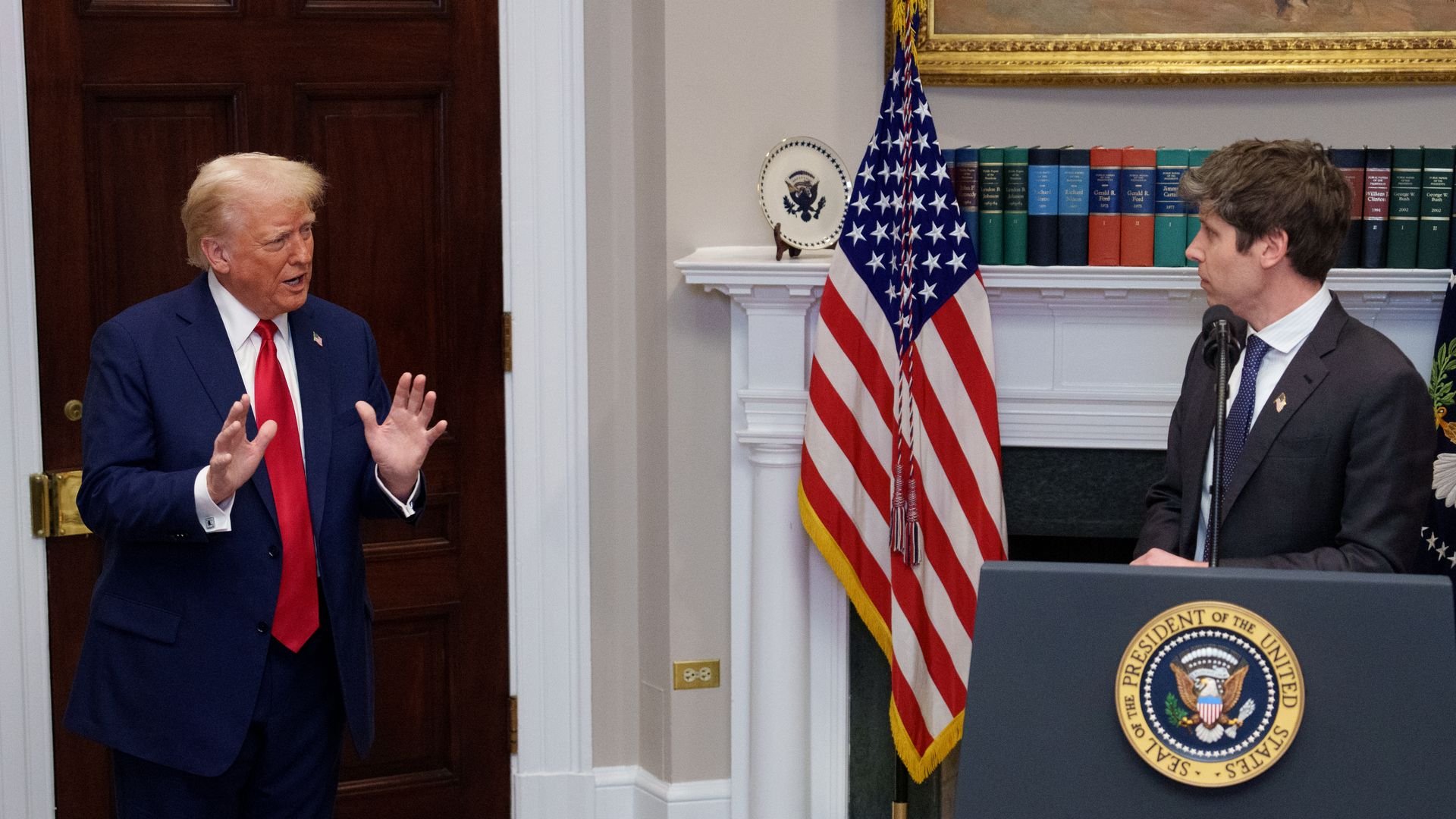
This policy change comes amid growing strategic competition in AI development, with President Trump meeting frequently with technology leaders including OpenAI CEO Sam Altman to discuss AI policy directions. The administration has positioned AI development as a key component of its economic and national security strategy, with increased funding for AI research and development included in the proposed 2027 budget.
The executive order represents the most significant federal intervention in AI development to date, creating a mandatory reporting and evaluation system that could substantially alter the development landscape for advanced AI systems. As implementation details emerge, the balance between security oversight and innovation will likely remain a central point of debate in the technology policy community.
Comments
Please log in or register to join the discussion