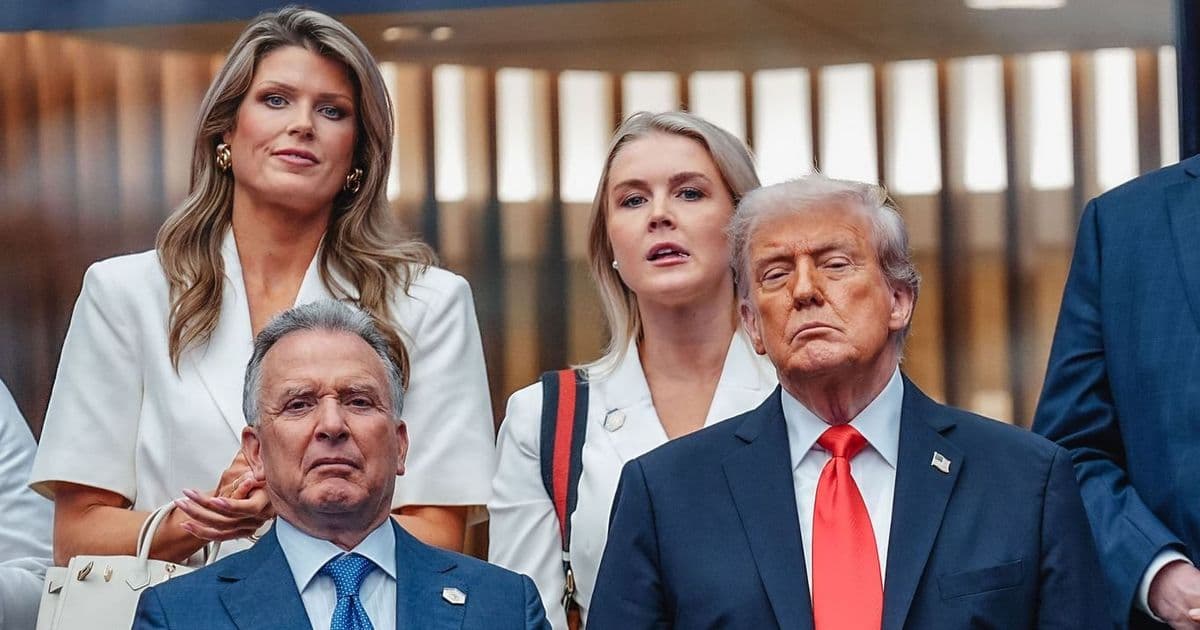
The Trump administration's Justice Department faces escalating tensions with federal judges in Virginia, culminating in the departure of Lindsey Halligan from her post amid growing judicial pushback against executive actions.
The Trump administration's Justice Department is facing an unprecedented clash with federal judges in Virginia, with tensions reaching a boiling point that has led to the departure of key personnel from the state's legal apparatus.
The conflict centers on a series of rulings from Virginia federal judges that have challenged the administration's policies, particularly in areas of immigration enforcement and executive authority. Sources familiar with the situation indicate that the departure of Lindsey Halligan from her Virginia post represents a significant escalation in what has become an increasingly hostile relationship between the DOJ and the federal judiciary.
Judicial pushback intensifies
Federal judges in Virginia have issued several high-profile rulings that have directly contradicted or limited the administration's ability to implement certain policies. These decisions have ranged from temporary restraining orders on immigration enforcement actions to broader constitutional challenges to executive orders.
The most contentious rulings have involved cases where judges have questioned the administration's interpretation of federal law and its authority to bypass traditional legislative processes. Legal experts note that this level of judicial resistance is unusual, particularly in a jurisdiction that has historically been more deferential to executive branch actions.
Halligan's departure signals deeper problems
The exit of Lindsey Halligan from her position has sent ripples through both the legal and political communities. While official statements have been limited, sources suggest her departure was precipitated by mounting frustrations with the administration's approach to handling judicial pushback.
"This isn't just about one person leaving," said a former DOJ official who requested anonymity. "It's indicative of a broader breakdown in the traditional working relationship between the executive branch and the judiciary."
Strategic implications
The Virginia conflict represents a microcosm of the broader tensions between the Trump administration and the federal judiciary nationwide. Legal analysts point out that Virginia's federal courts have become a particular flashpoint due to their jurisdiction over several key federal agencies and their proximity to Washington, D.C.
This judicial resistance has forced the administration to reconsider its legal strategies and has potentially slowed the implementation of several key policy initiatives. The situation has also raised questions about the long-term implications for the separation of powers and the traditional checks and balances system.
Political fallout
The escalating conflict has not gone unnoticed in political circles. Congressional oversight committees have begun examining the nature and extent of the tensions, with some lawmakers expressing concern about the potential politicization of the judicial process.
Meanwhile, the administration has maintained that its actions are within the bounds of executive authority and that judicial interference represents an overreach by the courts. This position has found support among the administration's base but has drawn criticism from legal scholars and civil rights organizations.
Looking ahead
As the conflict continues to unfold, legal experts are closely watching for potential Supreme Court intervention. The high court's eventual ruling on these matters could have far-reaching implications for executive authority and judicial oversight for years to come.
The departure of key personnel like Halligan suggests that the administration may be reassessing its approach to handling judicial resistance, though it remains unclear whether this will lead to a de-escalation of tensions or a more confrontational stance.
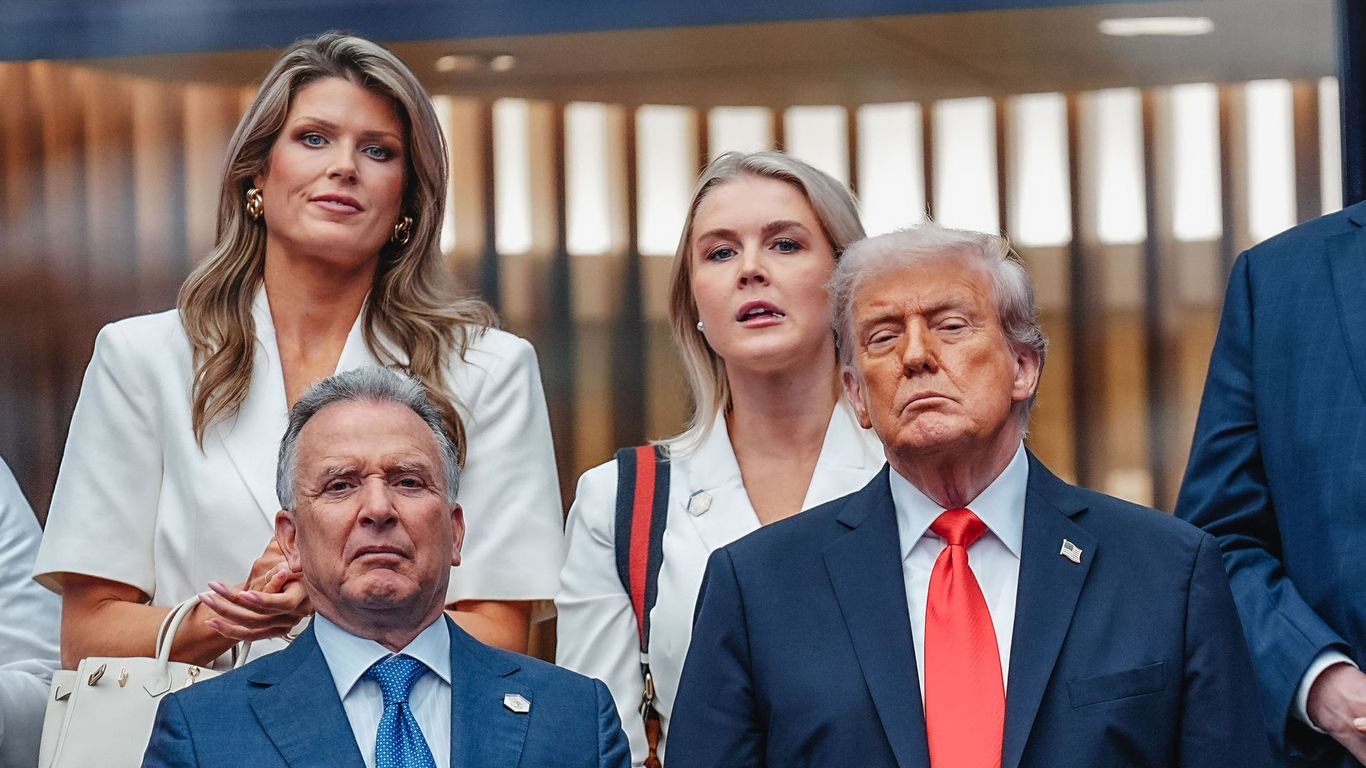
The situation in Virginia serves as a bellwether for the broader relationship between the executive branch and the federal judiciary under the Trump administration. As both sides dig in their heels, the coming months are likely to see continued legal battles that will shape the contours of American governance for the foreseeable future.
For now, the departure of Lindsey Halligan stands as a stark reminder of the high stakes involved in this ongoing conflict between two of the nation's most powerful institutions.
Comments
Please log in or register to join the discussion